Categories
Articles

Discover Pobitora Wildlife Sanctuary: A Paradise for Animals and Nature Lovers

Welcome to Pobitora Wildlife Sanctuary! It’s a special place in Assam, India, where nature thrives and animals roam freely. In this article, we will take you on a journey to explore the wonders of Pobitora Wildlife Sanctuary, where you can meet incredible animals and discover the beauty of nature. So, let’s get started!

History and Location

pobitora wildlife sanctuary

Pobitora Wildlife Sanctuary is situated in Assam’s Morigaon district, near Guwahati. It was established in 1987 to protect a particular animal called the one-horned rhinoceros. Pobitora covers an area of about 38 square kilometers and is found on the southern bank of the Brahmaputra River, which provides an ideal home for many plants and animals.

Flora and Fauna

Pobitora is famous for its one-horned rhinoceroses. These magnificent creatures have a single horn on their noses and are very rare. Pobitora has one of the highest numbers of rhinos in the world! With over 100 rhinos living here, seeing them up close is fantastic.

Beautiful Birds

pobitora wildlife sanctuary

Pobitora is also a paradise for bird lovers. You can spot more than 375 different bird species here! Some of the colorful birds you might see include the greater adjutant stork, the lesser adjutant stork, and the white-bellied heron. The wetlands and marshes in the sanctuary provide a perfect home for these winged wonders.

Other Animals

pobitora wildlife sanctuary

Pobitora is home to many other animals besides rhinos and birds. You might encounter elephants, wild boars, water buffaloes, jackals, and even the elusive Bengal tiger. There are also reptiles like monitor lizards and various types of snakes that call Pobitora their home.

Conservation Efforts

Pobitora Wildlife Sanctuary works hard to protect and care for animals and plants. They have special programs to keep the animals safe and ensure their habitat is healthy.

Rhino Protection

pobitora wildlife sanctuary

The sanctuary has trained forest guards who watch over the rhinos to protect them from poachers. Poachers are people who try to harm or capture animals illegally. The guards work day and night to protect the rhinos and ensure they can live peacefully.

Taking Care of the Habitat

Pobitora also focuses on taking Care of the plants and the land where the animals live. They plant new trees, manage the wetlands, and ensure no harmful plants or animals invade the sanctuary. This way, the animals have a safe and comfortable place to call home.

Safari and Ecotourism

Pobitora Wildlife Sanctuary offers exciting activities for visitors who want to explore and experience the wonders of nature.

Jeep Safari

The best way to see the animals in Pobitora is through a jeep safari. You can hop on a jeep and adventure through the grasslands and wetlands. With the help of knowledgeable guides, you can get close to the rhinos, elephants, and other animals while learning fascinating facts about them.

Birdwatching

pobitora wildlife sanctuary

Pobitora is a dream come true if you love birds. You can join birdwatching tours and discover the sanctuary’s colorful and diverse bird species.

Nature Walks

Pobitora also offers guided nature walks where you can explore the sanctuary on foot. Accompanied by friendly and knowledgeable guides, you can enjoy the peacefulness of nature, learn about the plants and animals, and experience the sights and sounds of the wilderness.

Nearby Attractions

Pobitora Wildlife Sanctuary is close to other exciting places.

Guwahati

Guwahati, the capital city of Assam, is a great place to learn more about the local culture and history. You can visit the Kamakhya Temple, Umananda Island, and the Assam State Zoo, among other attractions.

Kaziranga National Park

About 100 kilometers from Pobitora, Kaziranga National Park is another famous sanctuary for one-horned rhinoceroses. It’s a unique opportunity to see more of these incredible animals and understand their importance to our planet.

FAQ

1. What is the main attraction of Pobitora Wildlife Sanctuary?

The main attraction of Pobitora Wildlife Sanctuary is its population of the Indian one-horned rhinoceros. It is home to the highest density of rhinoceros in the world.

2. How can I reach Pobitora Wildlife Sanctuary?

Pobitora Wildlife Sanctuary is approximately 50 kilometers away from Guwahati, the capital city of Assam. The sanctuary can be reached by road from Guwahati in about 1.5 to 2 hours.

3. Can other wildlife be spotted apart from rhinoceros in Pobitora?

Yes, apart from the Indian one-horned rhinoceros, Pobitora Wildlife Sanctuary is also home to various other wildlife species, such as wild boars, Asiatic water buffalo, Asiatic elephants, leopards, and a variety of bird species.

4. Are there accommodation options available near Pobitora Wildlife Sanctuary?

Yes, there are a few accommodation options available near Pobitora Wildlife Sanctuary. These include wildlife resorts, guesthouses, and lodges. It is advisable to book in advance, especially during the peak tourist season.

5. Are any restrictions or permits required to visit Pobitora Wildlife Sanctuary?

No special permits are required for Indian citizens to visit Pobitora Wildlife Sanctuary. However, foreign nationals must obtain an Inner Line Permit (ILP) to enter Assam, which can be obtained online or at designated offices.

6. Can I take a safari or guided tour in Pobitora Wildlife Sanctuary?

You can take a guided jeep or elephant safari to explore Pobitora Wildlife Sanctuary. The forest department organizes these safaris and provides an opportunity to observe the wildlife closely.

7. Are there any entry fees for Pobitora Wildlife Sanctuary?

Yes, there is an entry fee for Pobitora Wildlife Sanctuary. The price varies for Indian and foreign tourists, and there may be additional charges for safaris and camera usage.

8. Is it safe to visit Pobitora Wildlife Sanctuary?

Pobitora Wildlife Sanctuary is generally safe for visitors. However, it is advisable to follow the instructions of the forest department and the safari guides for a safe and enjoyable experience. Maintaining a safe distance from the wildlife and avoiding unnecessary risks is essential.

Conclusion

Pobitora Wildlife Sanctuary is a special place where animals and nature coexist harmoniously. Whether you want to see one-horned rhinos and colorful birds or enjoy the peacefulness of nature, Pobitora offers something for everyone.

Pobitora teaches us the importance of conservation by protecting animals and their habitats. So, pack your bags, grab your binoculars, and get ready to explore the wonders of Pobitora Wildlife Sanctuary—a place where nature’s magic awaits!

Categories
Articles

Assam State Zoo: Protecting Wildlife and Caring for Animals

Welcome to the Assam State Zoo! It is located in Guwahati and is a special place for animal lovers and nature enthusiasts. The Zoo is big and has many different animals from the region. Its main goal is to care for the animals and ensure their safety. In this article, we will learn about the Assam State Zoo, its history, the animals it protects, and its critical work for wildlife conservation.

The Zoo’s Beginnings

assam state zoo

The Assam State Zoo, also known as the Guwahati Zoo, started in 1957. It was a little small at first, covering only 130 acres. But now, it has expanded to a massive area of about 432 acres. That makes it one of the largest zoos in our country! The Zoo’s main job is to protect and care for animals that need help.

Helping Endangered Animals

The Assam State Zoo is doing vital work to help animals that are in danger of disappearing forever. It has special programs to help these endangered animals survive. One way is by breeding them in the Zoo.

The zookeepers help them have babies, and when the babies grow up, they are released back into the wild. It allows the population of endangered species to grow.

The Zoo also helps animals that are hurt or need a safe place to stay. Sometimes, animals get injured or taken away by evil people who treat them poorly. The Zoo gives them a home where they can be safe and get better. The zookeepers care for them and ensure they have everything they need.

Many Different Animals

assam state zoo

The Assam State Zoo is like a home to lots of animals. It has animals that are native to the region, which means they come from the area around the Zoo. Some famous animals include the one-horned rhinoceros, Bengal tiger, and Asian elephant. But other fascinating animals exist, such as the golden langur, hoolock gibbon, and different reptiles and birds.

The Zoo has ensured the animals have a place to live like their natural home. It’s essential for them to feel comfortable and happy. The zookeepers have made enclosures that look like the animals’ natural habitats, so they can play and explore just like they would in the wild.

Learning and Fun

When you visit the Assam State Zoo, you see amazing animals and learn many exciting things. The Zoo wants to teach people about the importance of taking care of wildlife. They have special tours where guides tell you about the animals and their habitats. You can also take part in workshops and activities to learn even more.

The Zoo works with schools and colleges to help students learn about wildlife conservation. They even have internships where students can work at the Zoo and help care for the animals. This way, young people can become future protectors of nature and wildlife.

Enjoying the Zoo

assam state zoo

The Assam State Zoo wants everyone to have a great time when they visit. They have made it easy for people to walk around the Zoo with excellent paths and signs that tell you about the animals. There are also places to sit, rest, eat, and buy souvenirs.

One particular thing you can do at the Zoo is adopt an animal. It’s not an actual adoption but a way to support your favorite animal. You can give some money to help take care of them. It’s a fun way to be a part of wildlife conservation.

Challenges and Future Plans

Even though the Assam State Zoo is doing important work, it faces some challenges. Things like destroying animals’ homes, selling animals illegally, and changes in the climate make it hard for animals to survive. But the Zoo has plans to do even more to help. They want to work with other zoos and organizations to protect animals. They also want to build more places for animals to breed and grow.

Conclusion

The Assam State Zoo is a special place where animals are protected and cared for. It helps endangered species have babies and go back to the wild. The Zoo has many different animals, and you can learn a lot when you visit. They want to teach people about wildlife conservation and ensure everyone has a great time. So, let’s support the Assam State Zoo and be a part of saving our precious animals!

FAQ

1. What is Assam State Zoo famous for?

It is renowned for being one of the finest botanical gardens in Northeast India. It boasts a collection of 345 indigenous species and showcases 280 species of exotic plants, making it a prominent attraction for nature enthusiasts and plant lovers.

2. What is the entrance fee of Assam State Zoo?

The entrance fee for Assam State Zoo in Guwahati varies for different categories of visitors. For Indian visitors, the ticket prices for 2023 are as follows:

  • Adult: Rs. 30
  • Children: Rs. 10
  • Student: Rs. 10
  • Still Camera: Rs. 20

3. Which is the largest Zoo in Assam?

Assam State Zoo is the largest Zoo in the entirety of Assam and the entire North East India region. Encompassing over 400 acres of land, it serves as both a botanical and zoological garden, offering visitors a diverse and expansive experience.

4. What is the history of Assam State Zoo?

The history of Assam State Zoo dates back to 1957 when it opened. The purpose of a zoo is to provide suitable facilities and housing for a collection of animals previously located in Japorigog, within the Hengrabari Reserve Forest. Spanning an area of 130 hectares, the Zoo opened its gates to the public in 1958, offering a unique opportunity for visitors to view and appreciate a variety of animal species.

5. Where is the most famous Zoo?

According to the 2023 ranking by TourScanner, the most renowned Zoo in the world is the San Diego Zoo in the USA. Established in 1916, it is home to over 3,500 animals from 650 diverse species. With its impressive collection and consistent recognition as one of the top zoos globally, the San Diego Zoo offers an exceptional wildlife experience.

Categories
Articles

Garden Architecture: Creating Beautiful Outdoor Spaces

Garden architecture is all about making unique outdoor places that are both artistic and practical. It’s been around for a very long time, and it’s an exciting way to blend nature and human creativity. In this article, we’ll explore what garden architecture is, its history, and why it’s essential today.

garden architecture

History of Garden Architecture

Amazing Gardens from the Past

It has been around for ages, dating back to ancient times. One of the earliest known gardens was the Paradise Garden, made by the Persians. These gardens were like a piece of heaven on Earth, full of lush plants and beautiful flowers.

Another ancient wonder was Babylon’s Hanging Gardens, which was one of the Seven Wonders of the Ancient World. These gardens were like a stack of terraces, and they showed how people in ancient times could make impressive gardens with clever irrigation.

Gardens in the Renaissance

Versailles: A Garden Fit for a King

In the Renaissance period, garden architecture underwent a significant revival. Versailles, a famous palace in France, had gardens that were well-designed and incredibly beautiful. André Le Nôtre, a top gardener, helped design these gardens. They mixed nature with human design to create a stunning place.

The key ideas of Garden Architecture

garden architecture

What Makes a Garden Special

Creating a great garden is all about following some essential ideas

1. Plan the Space

Think about how to arrange the garden. Where will the paths go? Where can people sit? What should be the focus of the garden?

2. Choose the Right Plants

garden architecture

Picking the right plants is super important. It would help if you thought about what looks good and what grows well in your area. Using local plants is usually a good idea because they can handle the weather.

3. Add some solid stuff

Besides plants, you can use things like walls, patios, or sculptures to give the garden structure and style. You’ll want to pick materials that look good and can stand up to the weather.

4. Think about the Earth

It’s crucial to be eco-friendly when making gardens today. It means using practices like collecting rainwater and planting native plants to help the environment.

5. Make it all Look Nice Together

A beautiful garden has everything working together. Colors, textures, and unique points of interest should all fit together like pieces of a puzzle.

Modern Garden Architecture: A mix of Old and New

The High Line: A Cool Example

In our time, garden architecture keeps changing and improving. Look at the High Line in New York City, for example. It’s an elevated park built on an old rail line. It’s a fantastic mix of nature and city design, showing how gardens can make cities more exciting.

Gardens make us feel good

garden architecture

The Magic of Gardens

Gardens do more than look pretty. Gardening has sought to reduce stress and make people feel better. That’s why we see gardens in places like hospitals; they help people heal and feel more relaxed.

The Future of Garden Architecture

What’s Next for Gardens

As we move ahead, garden architecture has some new challenges and exciting ideas. We need to make gardens that can handle climate change and fit into cities. We might also see more “edible gardens” that grow food alongside flowers, making gardens even more helpful and fun.

Conclusion

garden architecture

It is like creating beautiful outdoor art. It’s been around for ages and keeps getting better. Gardens help us feel good, relax, and connect with nature.

As we look to the future, we’ll keep using what we’ve learned from the past to make gardens that are even more amazing and helpful in our changing world. So, whether you have a tiny backyard or a big park, you can use garden architecture to create something extraordinary.

FAQ

What is garden architecture, and how is it different from regular gardening?

Garden architecture is like creating a super pretty outdoor place. Regular gardening is when you plant and take care of plants. Garden architecture uses plants, paths, and cool stuff to make a fancy garden.

How can I help nature with garden architecture?

You can be kind to the Earth by using eco-friendly things, saving water, and picking plants that don’t need lots of care. It’s a way to make a lovely garden while being nice to our planet.

Categories
Articles

Exploring Tropical Architecture: A Journey into Nature’s Design

It is like a magical blend of nature and buildings. It’s a way of designing houses that fit perfectly in hot and humid places, such as tropical regions. Imagine a fantastic home without air conditioners and looking beautiful with the natural world around it. That’s what tropical architecture is all about.

Where did it Begin?

tropical architecture

Tropical architecture started in places where people had to deal with extreme heat, heavy rain, and diseases that came with warm climates. People in these areas, like Southeast Asia and Africa, found innovative ways to build homes that suited their environment.

Smart Choices

They used materials like bamboo, thatch, and wood because they were easy to find and kept homes calm. They also raised their houses off the ground and had open spaces to let the wind blow through, making the places comfortable.

What makes Tropical Architecture special?

It has some excellent features that make it different from regular buildings. These features are all about making homes cozy and lovely in tropical weather.

Staying Cool Naturally

tropical architecture

In tropical architecture, they use something called “passive cooling.” Instead of relying on machines like air conditioners, they use clever designs to keep the heat away. Imagine big windows that let in fresh air or rooms that have high ceilings to let hot air escape. It’s like a natural air conditioner!

Protection from Sun and Rain

Tropical places get a lot of sun and rain. For comfort, tropical architecture uses extensive roofs that stick out, called “roof overhangs.” They create shady spots to relax and keep the rain away from the house.

Natural Materials Rule

Tropical architects love using materials that come from nature, like wood, bamboo, and thatch. These materials help keep homes cool and fit in perfectly with the surroundings.

Nature and Homes, Together

In tropical architecture, nature is part of the plan. Think of gardens, courtyards, and even water features right inside the house. It’s like living in a piece of the jungle!

Tropical Architecture Today

tropical architecture

It belongs in a different place. Architects today are using their ideas to make modern homes that are kind to the environment and comfortable.

Helping the Environment

Modern tropical architecture cares about the planet. It uses unique materials, like solar panels, to get energy from the sun and collect rainwater to save water. It not only helps nature but also saves money on energy bills.

High-Tech Stuff

Tropical homes now come with cool gadgets and intelligent technology. They use special glass and roofing materials to keep the heat out. Plus, you can control your lights, AC, and more with your phone!

A Bit of Culture

Tropical architecture is different everywhere. In places like Bali, they mix the traditional look with modern luxury. It’s like living in a beautiful blend of old and new.

The Tropical Architecture Impact

tropical architecture

It is for more than just low places. Its ideas are spreading worldwide, making homes better for everyone.

Good for the Earth

It is all about being friendly to our planet. Using natural materials, saving energy, and living with nature are good for Mother Earth. It’s like giving her a big, warm hug.

Making Us Healthy

Living in a tropical-style home can make us healthier. We feel better with fresh air, natural light, and green spaces. It’s like our homes are taking care of us.

Traveling Inspiration

Tropical architecture has inspired people worldwide. You can find its ideas in beach houses in Mexico and fancy resorts in the Maldives. Even in places that aren’t tropical, architects use their tricks to make homes cozy and eco-friendly.

Conclusion

Tropical architecture teaches us how to live in harmony with nature. It shows that we can build comfortable, eco-friendly, and lovely homes. Low architecture lessons become more important when facing climate change and big cities.

From ancient traditions to modern architecture, It keeps evolving. Its secrets of staying calm, using natural materials, and loving nature can guide us to a greener and happier future.

By learning from this, we’re on a journey to a better way of living, where our homes are kind to the planet and keep us smiling.

Categories
Articles

What is Product Architecture and Why is it Important?

You can use special tools like product architecture to make products better and faster. It’s for more than just beginners; experts can learn new things. Trying different ways can make your designs smoother. Learning new stuff can help you be better and make cool things. This article discusses it, why it’s essential, the two types, and the steps you can follow.

What is Product Architecture?

It refers to a tool or method used in product development that helps project managers and other professionals understand and outline the features and functions of a product, as well as how these elements are connected. This tool is often represented through schematic diagrams or visual aids.

product architecture

It serves as a way to break down and organize the functional components of a product so that they can be analyzed and reviewed effectively. It’s essential to clarify that product architecture does not deal with the physical aspects of the development, such as its physical design or materials used, but instead focuses on how different parts of the product are interrelated and work together.

Product architecture is closely related to systems engineering principles and system-level design, helping ensure that a product’s components function cohesively to meet its intended purpose.

Why is Product Architecture important?

It is like a unique plan for making things. It’s like a map that shows how all the pieces of a product fit together. This map is essential because it helps teams know what to do and who controls each part.

Let’s say you’re building a car, a computer, or a security system. You don’t want to put in things you don’t need. Well, that’s where product architecture helps. It helps experts plan the project well and only adds extra necessary things.

So, whether it’s making excellent new software or a fancy car, having a clear product architecture is like having a game plan to ensure everything goes smoothly.

Types of Product Architecture

There are two main ways to build things: integral and modular. Let’s talk about them!

First, there’s integral architecture. With this, you look at each part of a product by itself, like tiny puzzle pieces. You try to understand how they all fit together. It can help you save money because you get to know each part.

Then, there’s modular architecture. Here, you break a product into smaller parts, like building blocks. Each piece has its job, and they work together like a team. You can change one block without messing up the whole thing if something needs fixing.

So, integral is like looking closely at each piece, and modular is like building with blocks that fit together neatly. Both ways have their strengths!

Stages of Product Architecture

Step 1: Create a Product Diagram

The initial stage in designing a product’s architecture involves crafting a block diagram or a visual schematic of the product. The primary aim of this diagram is to represent the product’s features clearly and visibly, making them readily understandable for review and analysis.

You can simplify this process by using a schematic template if needed. Having a clear objective for your product’s architecture makes it easier to choose the appropriate diagram type that aligns with your product and your goals.

Step 2: Group the Diagram’s Components

After you have depicted the product’s features and components, the next step involves categorizing them into clusters. The specific groupings will often depend on the nature of the product you are examining.

When differentiating these categories, it’s crucial to concentrate on the connections between the product’s elements and the clusters themselves. Instead of solely considering the physical parts of the product, conduct a thorough analysis of its features and the ways they interconnect or interact with one another.

Step 3: Formulate a Geometric Layout of Elements

After categorizing the product elements into groups, employ these groupings to design a geometric layout that aids in visualizing the patterns and objectives of the product under examination.

This geometric arrangement serves as the basis for establishing the structure of the product’s architecture. In essence, the groupings of elements form the groundwork upon which the architecture is constructed.

Step 4: Determine Interactions and Connections between Elements

To finalize the product architecture, connect the elements’ groups by drawing lines representing the relationships between them. It lets you and your colleagues identify incidental and crucial interactions among the product’s features.

These findings may lead to various implications for the development of the business. For instance, your objective might have been to enhance customer retention or boost revenue, and the relationships you observe within the architecture can vary depending on your initial goals and what you aimed to accomplish.

Benefits of using Product Architecture

Product development and manufacturing teams use “product architecture” for different reasons. Here are some good things about using it:

  1. Finding things we no longer need so we can take them out and put new things in.
  2. Letting different teams work on the product at the same time.
  3. Making the product unique for the people who will use it by changing it how they want.
  4. Changing one part of the product without changing the whole thing.
  5. Making it easy to make the product worse over time.
  6. Making things that last a long time and are suitable for the environment.
  7. Saving time and money when making the product.
  8. Making the product work better.

Conclusion

To wrap it up, think of product architecture as a special tool that helps people make really cool stuff. It’s like a treasure map for building things, showing the way step by step. We talked about what it is, why it’s important, the two main types (integral and modular), and the important steps to use it.

When companies use product architecture, they can make things better, save money, and make stuff that’s super awesome for all of us to use!

Categories
Articles

Discovering the Beauty of Palladian Architecture

Palladian architecture is a fancy term for a style of building design that’s been loved for centuries. It’s like a special kind of art that makes buildings look elegant. Let’s explore what makes it so unique!

What is Palladian Architecture?

palladian architecture

Have you ever seen a fancy building with big, elegant windows that let in lots of light? You might not know it, but that’s an example of Palladian architecture. It’s a unique style of building design that’s found in essential government buildings all around the world.

History of Palladian Architecture

A clever architect, Andrea Palladio, invented this style a long time ago, between 1508 and 1580. He wanted to mix old Greek and Roman ideas with new designs. He cared a lot about making things look just right, with perfect balance and proportion. It led to Palladian architecture, which became popular in Europe.

The idea spread, thanks to architects like Inigo Jones and Lord Burlington. They liked how Palladio’s style was classic but not too strict. In North America, it caught on after Palladio’s designs were translated into English in the early 1700s. Thomas Jefferson loved this style and used it in famous buildings like the University of Virginia.

The Important Parts of Palladian Style

Symmetry and Balance

Palladian buildings are like perfect mirror images. If you draw a line down the middle, both sides look the same. It makes them look very balanced and neat.

Fancy Columns

Palladian buildings have these tall, fancy pillars. They come in different styles, like Doric, Ionic, and Corinthian. Each type has its unique look.

Getting the Sizes Just Right

In Palladian buildings, everything is measured very carefully. It helps all the parts fit together in a way that looks just right. It’s like putting together a puzzle where all the pieces match perfectly.

Excellent Examples of Palladian Architecture

palladian architecture

Villa Rotonda

It is a super famous Palladian building in Italy. It’s like a big, beautiful mansion with four big entrances. Villa Rotonda shows off Palladio’s fantastic talent for making things look perfect.

The White House

You might know this one! It’s where the President of the United States lives. The White House has giant columns at the front that give it an exceptional look. The Palladian style inspires these columns.

The British Museum

It is a massive museum in London, England. The front of the museum has tall columns that make it look essential and impressive. It’s another place where you can see the magic of Palladian design.

What Makes it Special?

Palladian buildings have a unique look. They’re all about being balanced and grand. You’ll often see giant columns and pillars holding up essential parts. Everything is super organized and even, creating a strong sense of order. Inside, they’re decorated with luxurious stuff to make them feel fancy.

Palladian Architecture Today

We only see a few brand-new buildings in this style, but we still find elements of it in some designs. You might notice tall, fancy windows like those in Palladian architecture. They let in lots of natural light, making a room feel significant and essential.

So, next time you see a building with those majestic windows and grand columns, you’ll know it’s part of the legacy of Palladian architecture!

Conclusion

It is all about making buildings look lovely and balanced. From ancient buildings to new ones, Palladio’s ideas still make places look amazing. When you see a unique structure, take a moment to think about the magic of Palladian architecture. It’s like a special gift from the past that still makes our world more beautiful today!

FAQ

What makes Palladian architecture unique?

It is a style known for its balanced and organized designs. It uses classical elements like columns and pediments to create beautiful buildings.

How did Palladian architecture influence other buildings?

Palladian style had a significant impact on neoclassical architecture. It means it inspired many important buildings, especially in Europe and America.

Can you name a famous Palladian building?

Sure! The Villa Rotonda in Italy is a famous example. It’s like a fancy house with a unique design created by Andrea Palladio.

Did it change in different places?

Yes, it did! In America, Thomas Jefferson liked Palladio’s ideas a lot. He used them for his own house called Monticello in Virginia.

What’s a Palladian window, and why is it important?

A Palladian window is a particular type of window. It has a big rounded part in the middle and two smaller square parts on each side. It makes buildings look very elegant and balanced.

Categories
Articles

Discover the fascinating world of Split Leaf Money Plant

It is a unique and popular houseplant that’s easy to care for. Its distinctive leaves resemble a hand with fingers spread wide, making it a standout addition to any room. Let’s delve into what makes this plant unique!

split leaf money plant

What is a Split Leaf Money Plant?

The Split Leaf Money Plant, scientifically known as Montanum Deliciosa, is native to Central and South America. Its large, glossy leaves have unique splits and holes, giving it a striking appearance.

Easy care tips

Light

Thrives in bright, indirect light but can tolerate lower light levels.

Watering

Allow the soil to dry out slightly between waterings. Overwatering can be harmful.

Temperature

Prefers a warm environment but can tolerate average room temperatures.

Repotting

Every 2-3 years or when it outgrows its pot.

split leaf money plant

Why the name “Money Plant”?

Some believe it brings good fortune and prosperity, although it does not guarantee financial success!

Conclusion

It is a beautiful addition to any home. Its unique appearance and easy care requirements make this plant a perfect choice for beginners and seasoned enthusiasts. Try it and watch your living space transform into a green oasis!

Categories
Articles

Discover the Glowing wonders of the Neon Money Plant!

Neon Money Plant is a remarkable addition to any garden. Its vibrant leaves, resembling money bills, make it a unique and eye-catching plant. Let’s explore more about this fascinating botanical wonder!

What is a Neon Money Plant?

It’s scientifically known as Epipremnum aureum and is a tropical vine native to Southeast Asia. Its distinct, bright green leaves have a glossy sheen and stand out in any setting.

neon money plant

Why is it called the Neon Money Plant?

The leaves of this plant have a unique quality – they reflect light, creating a neon-like glow. This characteristic was named “Neon Money Plant,” as its leaves shine like money in the sunlight.

Easy care tips 

Caring for a Neon Money Plant is a breeze. It thrives in moderate sunlight and can tolerate low-light conditions. Water it regularly, but be sure to conserve water. This resilient plant is perfect for beginners!

Propagation and growth

They are easy to propagate. Cut a healthy stem, allow it to root in water, and then transplant it into soil. It can grow into a lush, vibrant vine when cared for properly.

neon money plant

Conclusion

It is a dazzling addition to any garden, bringing a touch of magic with its glowing leaves. You can enjoy this unique plant. Add It to your garden today, and watch it light up your space!

Categories
Articles

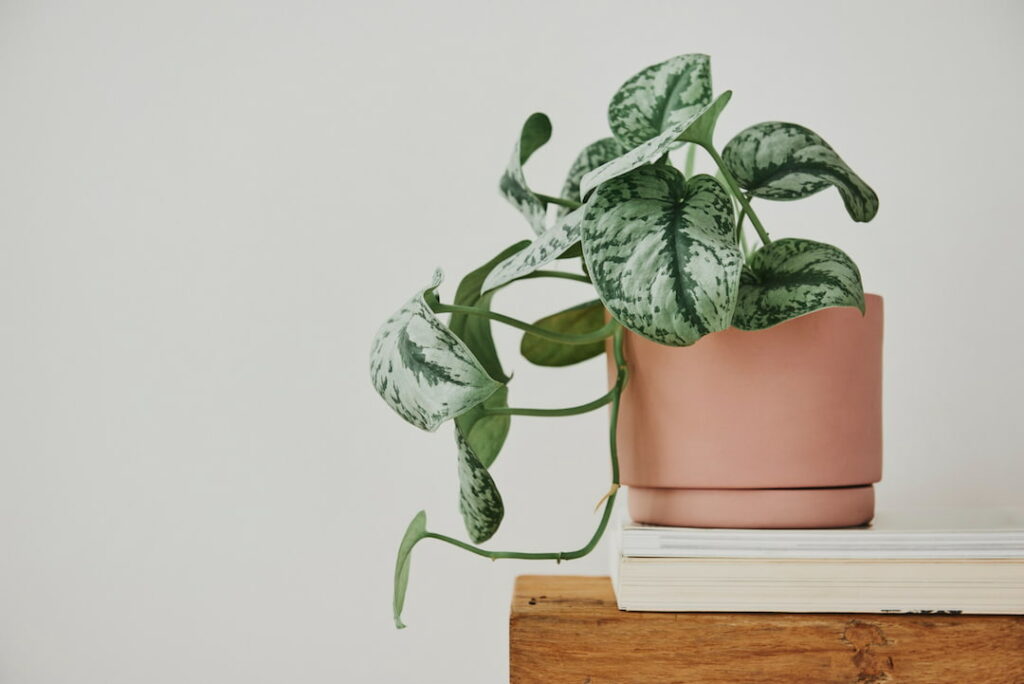
Marvelous marble queen money plant: a green delight

Marble queen money plant

It is a popular indoor plant that looks stunning and brings good luck and positivity. Here’s why this plant is a must-have in your home!

Appearance and features

Elegant variegated leaves

It stands out with its glossy, heart-shaped leaves splashed with creamy white shades. Its elegant appearance adds a touch of class to any room.

Easy to care for

marble queen money plant

Perfect for beginners

Plants like this are an excellent choice for beginners because it’s low-maintenance. It thrives in moderate light and doesn’t require constant watering. Make sure the soil dries out between waterings.

Positive energy and luck

Bringing good vibes

A Marble Queen Money Plant in your home attracts positive energy and good luck. It’s said to promote financial prosperity and overall well-being.

Propagation and growth

marble queen money plant

Creating more green goodness

It can be easily propagated from cuttings. It means you can share the joy by growing new plants from the original ones.

Conclusion

A green treasure for every home

It adds beauty to your indoor garden and symbolizes good fortune. Its easy care and propagation make it a top choice for beginners and experienced plant enthusiasts. So, go ahead and bring home this green treasure!

Categories
Articles

Discovering Devil’s Ivy: The Unstoppable Climber

It is also known as Epipremnum aureum and is a fantastic indoor plant that plant lovers everywhere adore. This tough climber is simple to care for and has beautiful vines that bring a touch of nature indoors. Let’s explore the world of Devil’s Ivy and find out why it’s a must-have for all gardeners, whether you’re just starting or have been gardening for a while.

The story behind Devil’s Ivy

It originally comes from the warm forests of Southeast Asia. It’s excellent at growing in places with little light, which means it fits right into your indoor garden.

types of money plant

Robust and easy to look after

One of the best things about Devil’s Ivy is its toughness. It can handle being forgotten about now and then and can adjust to different watering routines. It makes it perfect for busy homes.

A hero at cleaning the air

It doesn’t just look good; it’s also a natural air cleaner! Its leaves filter out bad stuff from the air, making your home healthier.

Growing more plants is a breeze

Did you know you can grow new Devil’s Ivy plants from cuttings? It’s super simple, making it an excellent choice for new gardeners who want to grow their plant family.

devil's ivy

Conclusion

It is more than just a houseplant. It shows us how incredible nature can be. With its easy care and air-cleaning powers, it’s no wonder this tough climber is a favorite in homes worldwide. Bring the magic of this into your space and watch it thrive!