Categories
Articles

Exploring the beautiful Orang National Park: A Haven for Wildlife

Welcome to Orang National Park, a wonderful place in Assam, India. It is a big park with many animals and plants. In this article, we will learn about the park, its animals, and why it is essential to protect them.

The amazing Orang National Park

orang national park

A home for many Animals

Orang National Park is a special place for people who love animals. It is like a mini version of Kaziranga National Park. Here, you can see animals like rhinoceroses, tigers, elephants, deer, and monkeys. It’s fascinating to watch these animals in their natural homes.

A park for Birds, too!

Orang National Park is not only for animals but also for birds. There are more than 200 types of birds in the park. Some birds fly from far away to visit during certain times of the year. You can see beautiful eagles, colourful kingfishers, and rare birds like the Bengal florican. It’s an excellent place for people who love birds!

Exploring the Park’s Nature

Land and water together

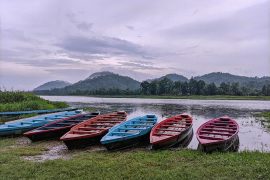
Orang National Park is unique because it has both land and water. It is near a big river called the Brahmaputra River. The park has wetlands and grasslands where many animals live. There are also small hills and forests. It’s like a giant puzzle with different pieces!

Many plants and trees

Inside the park, you will find many different plants and trees. Some are tall and strong, like the sal and teak trees. There are also bamboo trees, which grow very fast. The park is full of greenery and beautiful flowers, like orchids. The riverbanks have notable forests called riparian forests. They are essential because animals use them for their homes.

Protecting Animals and Nature

Exploring the beautiful Orang National Park: A Haven for Wildlife

Saving endangered animals

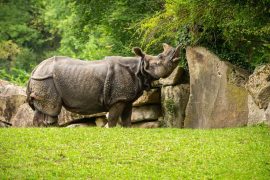
Orang National Park is doing a great job protecting animals that are in danger. One particular animal is the one-horned rhinoceros. The park helps these rhinoceroses grow in number and keeps them safe from harm. They also care for other animals, like the Bengal florican bird and the Ganges river dolphin. Protecting these animals so they can continue to live and be a part of our world is essential.

People and park working together

The people who take care of Orang National Park know that it’s not only their job to protect the animals and plants. They work with the local communities and teach them about the importance of nature. They also help the communities find new ways to earn money by showing tourists around the park. This way, people can have jobs while protecting the park and its wildlife.

Visiting Orang National Park

The best time to visit

If you want to visit Orang National Park, the best time is from November to April. The weather is excellent, and you can see many animals and birds during this time. It’s better to avoid going in the rainy season because there might be too much rain and flooding.

Seeing animals and going on trails

You can go on a safari to see the animals when you visit the park. You will ride in a jeep with a guide who knows much about animals. You can also walk on nature trails to see the plants and trees up close. Following the park rules and respecting the animals and their homes is essential.

FAQ

Where is Orang National Park located?

A: Orang National Park is located in Assam, India. It is located on the northern banks of the Brahmaputra River.

What is the size of Orang National Park?

A: Orang National Park covers an area of approximately 78.81 square kilometres (30.43 square miles).

What is the significance of Orang National Park?

A: Orang National Park is known for its rich biodiversity and is a vital habitat for various endangered species, including the Indian rhinoceros, pygmy hog, and Bengal florican. It is also an Important Bird Area (IBA) and a tiger reserve.

What are the major attractions within Orang National Park?

A: Some significant attractions within Orang National Park include wildlife safaris, bird watching, boat rides on the Brahmaputra River, and the chance to spot rare and endangered species such as the Indian rhinoceros.

How can I reach Orang National Park?

A: The nearest airport to Orang National Park is Lokpriya Gopinath Bordoloi International Airport in Guwahati, approximately 140 kilometres (87 miles) away. The nearest railway station is Rangapara, located around 17 kilometres (10.5 miles) from the park. From Guwahati or Rangapara, you can hire a taxi or take a bus to the national park.

Conclusion

Orang National Park is a special place where animals and plants are protected. It’s an excellent opportunity to see animals like rhinoceroses, tigers, and birds like the Bengal Florican. The park is also helping local communities and teaching people about the importance of nature. If you visit the park, remember to be kind to the animals and enjoy the beauty of nature.
Categories
Articles

Exploring the beautiful Umananda Island

Discover the enchanting Umananda Island

Umananda Island is a hidden treasure located in the Brahmaputra River. It is a small island near Guwahati, in the Indian state of Assam. The island is known for its natural beauty and rich history, attracting visitors worldwide. Let’s explore this fantastic island and why it’s a must-visit destination.

The majestic Brahmaputra River and Umananda Island

A special place in nature

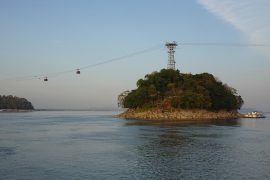
Umananda Island is a small, inhabited island in the Brahmaputra River. Despite its size, it offers a unique experience for nature lovers, history enthusiasts, and those seeking spiritual serenity.

A place of spiritual significance

Umananda

Umananda Island has a solid connection to Hindu mythology. It is named after Lord Shiva, also known as “Umananda.” According to legends, Lord Shiva spent time on this island during his exile. The island is home to the Umananda Temple, dedicated to Lord Shiva, which attracts devotees from far and wide.

The Umananda Temple, built in the 17th century, is a remarkable architectural marvel. It showcases intricate carvings and sculptures depicting mythological stories and characters. The temple provides a peaceful environment for meditation and self-reflection.

Natural delights on Umananda Island

Exploring the beautiful Umananda Island

Umananda Island is not only spiritually significant but also boasts breathtaking natural beauty. As you step onto the island, you will be surrounded by lush greenery, exotic plants, and abundant wildlife. Bird enthusiasts will be delighted by the variety of resident and migratory birds spotted on the island.

Keep your binoculars handy to catch a glimpse of colorful kingfishers, majestic eagles, and graceful herons.

One of the island’s most scenic spots is the Peacock Island Ferry Ghat. You can take a boat ride to explore the surrounding areas from here. The boat ride offers stunning views of the hills, green landscapes, and the sparkling Brahmaputra River. It is a perfect opportunity to immerse yourself in the beauty of nature and witness the peaceful coexistence of the river and the island.

History of Umananda Island

Umananda Island is a place of spirituality and natural beauty and holds significant historical value. The island has witnessed different civilizations’ rise and fall, leaving remnants of their existence. Archaeological excavations have uncovered ancient structures, pottery, and artifacts dating back centuries.

While exploring the island, you might stumble upon hidden treasures that tell stories of the past. The ruins of Kareng Ghar, an Ahom fort, serve as a reminder of Assam’s glorious history. These remnants offer a glimpse into the architectural skills of the Ahom dynasty and the strategic importance of Umananda Island.

How to reach Umananda Island

Umananda Island

Umananda Island is easily accessible from Guwahati, which is well connected by air, rail, and road networks to major cities across India. To reach the island, you can take a boat ride from the Sukleshwar Ghat near the Guwahati High Court. Regular ferry services provide a convenient and enjoyable journey to the island.

The best time to visit Umananda Island

Umananda Island

The best time to visit Umananda Island is during the winter months, from November to February, when the weather is pleasant, and the temperatures are mild. This period offers comfortable conditions for exploring the island and enjoying outdoor activities.

During the monsoon season, the Brahmaputra River experiences heavy rainfall from June to September, and the island may become inaccessible due to flooding. It is advisable to avoid visiting during this time.

Experiences and Activities on Umananda Island

A Spiritual Retreat

Visiting Umananda Island is complete with immersing yourself in its spiritual atmosphere. Take a peaceful walk around the Umananda Temple, witness the rituals performed by the priests, and seek blessings from Lord Shiva. The temple attracts many devotees during the Maha Shivaratri festival, which is celebrated with great enthusiasm.

Nature walks and birdwatching

Enjoy a leisurely walk through the island’s trails, surrounded by lush greenery and the melodies of birds. The island’s diverse flora and fauna provide a unique opportunity to connect with nature. Engage in birdwatching, capture the vibrant colors of resident and migratory birds with your camera, and experience the joy of being in harmony with the natural world.

Boat rides and river cruises

Indulge in a boat ride along the Brahmaputra River and marvel at the beauty that unfolds. Several tour operators offer river cruises that take you on a mesmerizing journey along the river. These cruises allow you to witness captivating landscapes, spot wildlife, and enjoy the tranquility of the surroundings.

Conclusion

Umananda Island offers a beautiful blend of spirituality, history, and natural beauty. It is a place where you can find peace and serenity amidst stunning surroundings. So, if you’re looking for a tranquil retreat away from the chaos of city life, Umananda Island is the perfect destination. Visit the island, explore its rich cultural heritage, enjoy its natural wonders, and create memories that will last a lifetime.

Categories
Articles

Exploring the beautiful Dipor Bil: a freshwater lake

Situated in the Kamrup district of Assam, approximately 18 km southwest of Guwahati city, Dipor Bil (also spelled Deepor Beel) is a freshwater lake formed in the former channel of the Brahmaputra River. They are approximately 40 square meters in size. Km, this lake was designated a Bird Sanctuary in 1989 due to its remarkable biodiversity and historical significance.

Dipor Bil is a habitat for a diverse range of unique bird species, making it a prominent tourist destination in Assam. The region’s unspoiled beauty and thriving forest ecosystem provide visitors with a captivating view of the beautiful wetlands.

Around 19,000 rare and endangered bird species can be observed daily at Dipor Bil, attracting tourists from near and far. Recognizing its immense ecological value and wetland characteristics, the Ramsar Convention included it as a Ramsar site in 2002. The winter season is particularly favorable for visiting, as it lures hibernating birds from distant western and southern countries.

In acknowledgment of the high density and diverse avian population that frequents this location annually, Birdlife International has declared Dipor Bil an Important Bird Area (IBA). Substantial measures are undertaken to safeguard the region’s cultural heritage and natural surroundings.

A brief history of Dipor Bil

The origin of the name Dipor Bil can be traced back to its Sanskrit roots, with “Dipor” meaning “elephants” and “bil” referring to a wetland or lake. According to historical accounts, this lakeside area was a dockyard for the Tai-Ahom and the Mughal communities.

Notably, during a specific period, the Kampitha and Rambrai Syiemship, the political authorities of Meghalaya, exercised control over this site, further highlighting its historical relevance.

Dipor Bil’s Flora and Fauna

Exploring the beautiful Dipor Bil: a freshwater lake

It is renowned for its remarkable flora and fauna, boasting a diverse ecosystem, abundant biodiversity, and varied wildlife. The lakeside area is adorned with many plant species, including water hyacinths, lilies, aquatic grasses, marshy lands, and vegetation patches.

Research conducted at the site has identified 18 different varieties of phytoplankton, indicating the richness of marine plant life. Notably, rare plants such as Euryale Ferox and Potamogeton crispus have experience in this region.

Moreover, It is a proud habitat for a substantial population of rare and endangered birds. With approximately 19,000 birds gracing the lake on any given day, the area accommodates around 220 bird species, of which 70 are migratory. Some endangered avian species found here include the Spot-Billed Pelican, Lesser Adjutant Stork, White-Bellied Eagle, and Siberian Crane.

Additionally, It hosts a diverse range of other wildlife, with 20 amphibian species, 12 lizard species, 18 snake species, and six turtle and tortoise species recorded within its vicinity. These remarkable attributes attract regular tourists researchers, students, and wildlife photographers to explore the area’s natural wonders.

Importance of Dipor Bil’s

In addition to its ecological significance, Dipor Bil holds excellent utility for the surrounding villages and districts. The lake is a crucial source of fresh water, providing clean drinking water to numerous communities.

Approximately 14 villages, comprising around 1,200 families, rely directly or indirectly on the lake for their livelihoods. Furthermore, Dipor Bil serves as a breeding ground for freshwater fish, contributing to the local diet by providing essential protein and supporting the fishermen’s livelihood through trade.

Dipor Bil is the largest lake (beel) in the Brahmaputra valley of Western Assam. Its importance goes beyond its local impact, as it has emerged as a representative wetland type within the Burma Monsoon Forest biogeographic region.

This classification acknowledges the lake’s broader significance as a distinct and characteristic feature of the region’s wetland ecosystem. Overall, It plays a vital role in providing water, supporting local livelihoods, and representing the unique wetland landscape of the area.

Protection of Dipor Bil

The management and conservation of Dipor Bil fall to the Tourism and Forest Department of Assam. The fisheries department plays a crucial role in preserving and safeguarding the fish population, recognizing their significance as a primary source of livelihood for the local communities.

On the other hand, the Bird Sanctuary is responsible for protecting and conserving the avian species residing in and visiting the lake. Given the substantial presence of endangered birds in the area, concerted efforts must be made to prevent their extinction.

In recognition of the importance of wildlife preservation, the Ramsar Convention designated Dipor Bil as a Ramsar site, ensuring the implementation of appropriate conservation measures. Shooting, hunting, and trapping birds for recreational purposes are prohibited in the area. For birdwatching while minimizing disturbance to the avifauna, tall towers have been constructed, providing an efficient and convenient means for observing the birds in their natural habitat. These conservation efforts aim to safeguard the ecological integrity and biodiversity of Dipor Bil, ensuring the long-term sustainability of this valuable ecosystem.

When to visit Dipor Bil?

Dipor Bil experiences a predominantly humid climate, known as a mesothermal climate, throughout the year. Monsoon season can be wet and sticky, while summers can be scorching.

Winter is the best time to visit the lake, from October to March. The lake’s size decreases during this period, and some cultivation activities occur. Moreover, the temperature during winter is pleasant, providing ideal weather conditions for exploration and enjoyment of the area’s natural beauty.

How to reach Dipor Bil

It is on National Highway 31 (NH 31), approximately 14 kilometers from Guwahati, along the Jalukbari Khanapara pass. To reach Dipor Bil, you can hire a private taxi or drive to the location using your own vehicle.

Conclusion

Dipor Bil, a pristine wetland sanctuary in Assam, offers a captivating experience with its rich biodiversity and rare bird species. As a Ramsar site and an Important Bird Area, conservation efforts are in place to protect its ecological integrity. Winter is the best time to visit, as it is easily accessible via National Highway 31. Dipor Bil is a must-visit destination for nature lovers and those seeking the beauty of Assam’s wetlands.

Categories
Articles

Exploring Sualkuchi: the Village of Silk

Have you ever heard of a village that weaves beautiful silk fabrics? Sualkuchi is a small village in Assam, India, known as the silk capital of the region. It has a long history of making stunning silk textiles and is famous for its traditional craftsmanship and rich culture. We can learn many things from this article, including its Silk heritage, the different kinds of Silk it produces, the importance of the Silk to the people who live there, and its history and culture.

History of Sualkuchi

sualkuchi

It has been making silk fabrics for a very long time. It started in the 17th century when skilled weavers from Tantikuchi, a place in Bangladesh, came to Sualkuchi. The rulers of Assam brought them, called the Ahoms. Since then, the village has become well-known for its exceptional silk textiles.

Amazing Silk Crafts of Sualkuchi

sualkuchi

Muga Silk: the Golden Silk

One of the remarkable silks made in Sualkuchi is called Muga silk. It is famous for its beautiful golden color and is very valuable. Muga silk comes from the cocoons of a particular type of moth found in Assam. Skilled weavers take the silk threads out of the cocoons and make gorgeous Muga silk sarees, mekhela chadors, and other garments.

Pat Silk: the luxurious Silk

Another type of Silk made in Sualkuchi is Pat silk or Mulberry silk. It comes from the cocoons of a silkworm called Bombyx mori. Pat silk is soft and can cause many different kinds of fabrics. Weavers use both traditional and modern techniques to create beautiful Pat silk fabrics with designs inspired by nature and Assamese culture.

Eri Silk: the eco-friendly Silk

It is also famous for making Eri silk, known as Ahimsa silk or peace silk. Eri Silk is unique because it is made without harming the silkworm inside the cocoon. Thus, it makes it an eco-friendly choice. Eri Silk has a unique texture that makes shawls, stoles, and warm fabrics for cold weather.

Why Sualkuchi is Important?

It is worth pointing out that the silk industry is crucial for the village and the entire region.

Jobs and livelihoods

sualkuchi

Many people work in the silk industry. They are weavers, spinners, dyers, and artisans. The silk industry provides employment and helps the local economy grow. Families in Sualkuchi have been making silk fabrics for generations.

Selling Silk to the World

The beautiful silk fabrics made in Sualkuchi are not just for the people in Assam. Buying them from other parts of India and other countries outside India is also possible. It is no secret that silk has a unique design and traditional craftsmanship, making it a world-famous product. A village like this will be able to earn money and gain recognition in the region and the country as a whole.

Protecting tradition and supporting Weavers

sualkuchi

In recent years, many efforts have been made to protect Sualkuchi’s silk heritage and help the weavers.

Handloom clusters and cooperatives

As a result of the government and non-profit organizations supporting the weavers, the weavers have created groups called cooperatives. The weavers are provided training and money to sell their silk fabrics as part of these cooperatives. The weavers can continue doing their traditional work and earn a decent living at the same time.

New designs and modern changes

To meet the needs of modern times, the weavers in Sualkuchi have started using new designs and changing their traditional work. They work with fashion designers and combine traditional patterns with contemporary styles. They also focus on using sustainable methods to protect the environment.

Exploring Sualkuchi’s Culture

Exploring Sualkuchi: the Village of Silk

Sualkuchi’s silk heritage and colorful culture attract tourists from all over the World.

Silk Tourism

Tourists can visit Sualkuchi to see how silk fabrics are made. They can watch the weavers at work, talk to them, and even buy silk fabrics from the local markets. It is a fantastic experience to learn about the craftsmanship and the culture.

Festivals and Celebrations

During festivals like Bihu, the people showcase their beautiful silk creations through fashion shows and exhibitions. These events celebrate Assam’s rich culture and traditions and show how important Silk is to the people of Sualkuchi.

What is Sualkuchi famous for?

sualkuchi

Sualkuchi is a special place in Assam, a state in northeastern India. It is called the “Manchester of Assam.” The town is very famous for making beautiful silk fabrics. Silk is a special kind of material that feels smooth and looks shiny.

There are two types of Silk that Sualkuchi is known for. The first one is called Muga silk. It is a unique golden color and very strong. The second one is called Eri silk. Eri Silk is a warm and durable fabric.

In Sualkuchi, many skilled workers, called weavers, make these silk fabrics. They use special machines called handlooms to weave the threads into beautiful patterns. They make sarees, which are long pieces of cloth women wear, and other clothes like scarves and stoles.

Silk weaving is an essential tradition. People wear these silk clothes during festivals and special occasions. It is a way to show their culture and style.

If you ever visit Sualkuchi, you can see how Silk is made. You can meet the weavers and buy their beautiful silk products. It is an exciting place to learn about Silk and see the fantastic work of the weavers.

Conclusion

Sualkuchi is a village in Assam that has been weaving silk fabrics for many years. It has a special place in the hearts of the people who live there. The different types of Silk, like Muga, Pat, and Eri silk, are famous for their beauty and quality.

The silk industry provides jobs and helps the local economy grow. We are working hard to preserve the traditional weaving method in Sualkuchi and to support the weavers who practice it. Visitors can explore the village, learn about silk production, and experience the vibrant culture.

Categories
Articles

Exploring the serenity of Chandubi Lake: a hidden gem in Assam

Welcome to the captivating world of Chandubi Lake! Tucked away in the heart of Assam, this stunning lake is a secret treasure that will leave you in awe. Surrounded by lush greenery, it has become a favorite spot for nature lovers, adventure seekers, and anyone looking for a peaceful escape. Let’s dive into the wonders of Chandubi Lake and discover why it’s a must-visit destination for locals and tourists alike.

The birth of Chandubi Lake

Exploring the serenity of Chandubi Lake: a hidden gem in Assam

Chandubi Lake came into existence after a powerful earthquake shook Assam in 1897. The earthquake caused a landslide that blocked the path of a river, forming a natural dam.

Over time, rainwater filled the area behind the dam, creating the breathtaking Chandubi Lake. Situated at the foot of the Garo Hills, this freshwater lake is fed by several small streams and creeks, making it a pristine and tranquil water body.

A paradise for nature lovers

If you’re a fan of nature, Chandubi Lake is the place for you! The lake is surrounded by dense forests, offering a haven for all wildlife. The green hills and calm atmosphere provide a soothing environment for visitors. Keep your eyes peeled for various bird species, including migratory birds that visit the lake during winter. You might spot the Indian pitta, white-breasted kingfisher, or even the majestic spot-billed pelican.

Adventure awaits water sports and more!

Chandubi Lake is not just for nature enthusiasts; it’s also an adventure playground! The crystal-clear waters of the lake make it perfect for boating and canoeing.

You can rent paddle boats or canoes and explore the lake at your own pace. Glide through the peaceful waters while enjoying the picturesque landscapes—an experience you won’t forget!

For those seeking more thrills, Chandubi Lake offers kayaking and fishing opportunities. Feel the adrenaline rush as you navigate the lake’s waters in a kayak, taking in the panoramic views around you. Fishing enthusiasts can also try their luck, as the lake is home to various fish species like carp and catfish.

Camping and Picnicking Fun

Imagine spending a night under the starry sky near Chandubi Lake—sounds impressive, right? You can do that! The lake provides excellent camping spots where you can relax and experience the tranquility of nature.

Listen to the sounds of the forest, gather around a cozy bonfire, and create unforgettable memories with your loved ones.

If camping isn’t your thing, don’t worry! You can still have a fantastic time picnicking by the lakeside. The cool breeze, shady trees, and idyllic setting make it a perfect spot for families and groups of friends to unwind and enjoy a lovely day together. During your time there, make sure you try some of the delicious local delicacies the area offers.

Explore the surrounding beauty

While Chandubi Lake is a sight to behold, the surrounding areas have even more to offer. The Garo Hills, with its stunning beauty and lush green landscapes, is a paradise for hikers and nature enthusiasts. Embark on a trek through the verdant trails, and you’ll discover cascading waterfalls, diverse flora, and captivating wildlife.

The Chandubi Jungle Camp, located near the lake, is another popular attraction. It is a base for nature walks, birdwatching tours, and exciting jungle safaris. Experience the rich biodiversity surrounding the lake while immersed in the enchanting wilderness.

Protecting the pristine beauty

Keeping Chandubi Lake and its ecosystem as beautiful as possible is one of the most important things we can do. Local authorities and environmental organizations are working together to ensure sustainable tourism practices and protect the delicate balance of nature.

They strive to conserve the lake’s biodiversity and maintain its ecological harmony through awareness campaigns, waste management initiatives, and strict regulations.

Conclusion

Chandubi Lake is a hidden gem that offers a mesmerizing escape from the hustle and bustle of everyday life. This lake has everything if you’re seeking adventure, tranquility, or a connection with nature.

When exploring its serene beauty, the most important thing to remember is to respect and appreciate the environment as you explore it and take in its beauty. We must work together as a team to preserve this precious treasure for future generations. You’ll have a fantastic time at Chandubi Lake, so pack your bags and prepare for an unforgettable experience!

Categories
Articles

Explore the power of Navagraha Temple Guwahati iconic temple

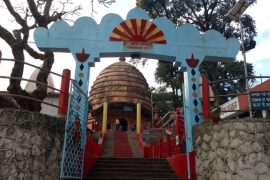
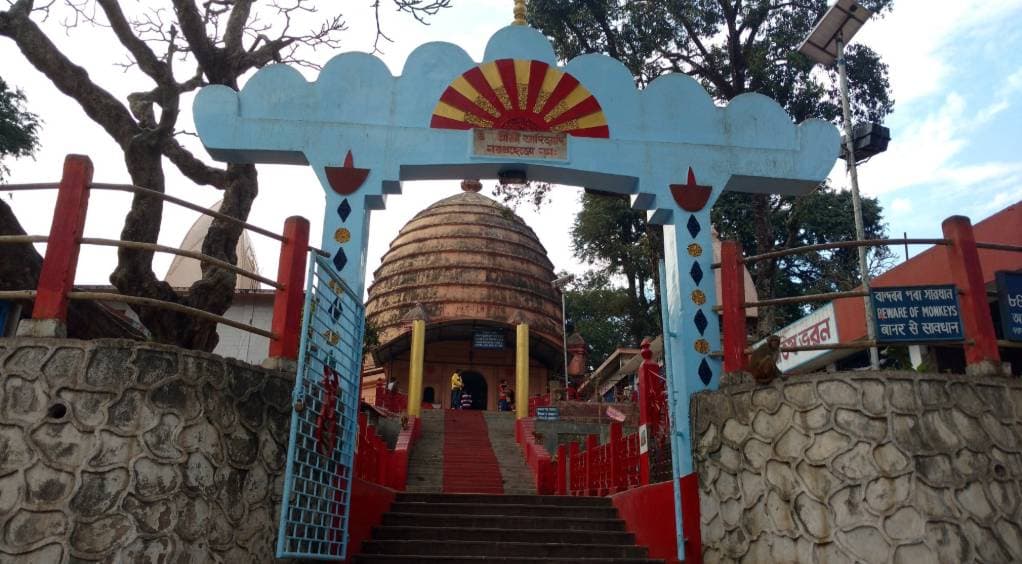
Navagraha temple, Guwahati, is the Hindu concept of nine planets that significantly impact a person’s life and fortunes. The celestial bodies were worshipped together to receive their blessings and reduce the ill effects. The nine planets are Sun, Moon, Mars, Mercury, Jupiter, Venus, Saturn, Rahu, and Ketu, each believed to have different qualities and influences on aspects of human life such as health, wealth, love, and relationships.

The Importance of Navagraha Temple Guwahati

Explore the power of Navagraha Temple Guwahati iconic temple
Photo Credit: https://www.gosahin.com/

Navagraha temple, Guwahati, India, was built during the 18th century by the Ahom dynasty to appease the nine planets and protect the city from their negative influence. The temple, located on a hill named Chitrachal in the southeastern part of the city of Guwahati, has a unique blend of Hindu and Tantric architecture, with nine shrines dedicated to each planet and a central shrine for Lord Shiva.

The nine celestial bodies of Navagraha

Each planet has its mythology and significance, such as Surya giving life and Chandra representing emotions. Vedic astrology believes the position of the Navagrahas at birth affects one’s life and can impact career, health, relationships, and wealth. By worshipping the Navagraha temple Guwahati, Blessings can be obtained as adverse effects are reduced.

Unique features of the Navagraha Temple

The Navagraha Temple is a unique and exciting place to visit because of its architecture and layout. Each planet has its dedicated shrine, surrounding a central shrine devoted to Lord Shiva. Visitors can participate in various rituals and offerings, including lighting diyas, reciting mantras, and performing aarti, and the temple offers special pujas for those seeking specific benefits related to planetary influences.

The Rituals and Offerings at the Temple

At the Navagraha temple Guwahati, worship of the nine planets starts with Vedic mantras and prayers to Lord Ganesha. The main puja involves invoking the planets in a specific order and offering items related to each world to please them and reduce their negative impact on one’s life. For instance, red flowers, sweets, wheat, or red sandalwood can be offered to the Sun, while silver items, pearls, and rice can be provided to the Moon. Devotees believe these offerings can bring peace and happiness to their lives.

Exploring the Mythologies Associated with Navagraha

Navagraha temple Guwahati, plays a significant role in Hindu mythologies, influencing human life and destiny. These nine planets have a cosmic influence and determine the karmic outcomes of individuals. Worshipping Navagraha alleviates malefic planets and enhances the beneficial effects of favorable ones. The position of Navagraha in a birth chart can influence personality traits, career, relationships, and life events. One famous story is about Ravana, who worshipped Navagraha and was blessed with immense power by Lord Shiva.

Navagraha temple Guwahati, is significant in Hindu mythology, influencing every individual’s life. The nine planets decide karmic outcomes. Worshiping Navagraha can enhance favorable effects and pacify malefic. The Tantric architecture Guwahati offers a unique spiritual experience. It provides a deeper understanding of the significance of the celestial bodies. By worshiping Navagraha, positive changes can occur in life.

Categories
Articles

Ammapalli Temple: a beautiful place of Worship

Ammapalli Sri Rama Chandra Swamy Temple located approximately 30 kilometers away from Hyderabad and just five kilometers from Shamshabad bus stop, holds great historical significance as a popular destination for movie shootings. This temple stands as one of the most visited tourist attractions in Hyderabad, captivating countless visitors. The operating hours of Ammapalli Temple are from 06:00 am to 08:00 pm, allowing ample time for devotees and tourists to explore its grandeur.

Ammapalli Temple, a remarkable site, holds both historical and architectural significance. Built by the Vengi kings in the 13th century, the temple houses a 1000-year-old idol. One of its main attractions is the grand seven-storied gopuram, which has gained popularity among Telugu cinema enthusiasts.

The entrance to the tower showcases a magnificent portrayal of Lord Vishnu in a reclining posture. The temple also features a historic pond surrounded by a door, creating a serene atmosphere enhanced by coconut trees. Additionally, a mandapam stands in front of the temple, adding to its architectural charm.

Recognizing its cultural value, the Ammapalli Temple became a UNESCO World Heritage Site in 2010. This prestigious title highlights the temple’s importance as a historical and architectural gem.

History of Ammapalli Temple

The history of Ammapalli Temple dates back to the 11th century when it constructs during the reign of the Vengi Chalukya kingdom. This magnificent temple complex covers an expansive area of 250 acres. One of its prominent features is the awe-inspiring seven-story street dome, towering at a height of 90 feet. The gopuram adorns intricate inscriptions depicting Vishnu, Rama, and Dasavatara images.

Dedicated to Lord Rama, Sita, and Lakshmana, the temple holds a unique significance. It believes that Lord Rama and Lakshmana visited this area before meeting Hanuman, which is why there is no Hanuman statue in the sanctum sanctorum. The idol of Lord Rama in the temple stands tall at 4 feet.

Notably, the outer structure of the temple was built by Muslim rulers, adding to its historical and cultural significance. The amalgamation of architectural styles and the temple’s rich history make Ammapalli Temple a fascinating destination for devotees and history enthusiasts.

The construction of this temple

Ammapalli Temple: a beautiful place of Worship

The construction of Ammapalli Temple transports visitors to a peaceful world, away from the bustling city, despite being just 15 km away from the busy Shamshabad Airport. This temple, rooted in the Kakatiya era, carries a rich history that may date back 800 years or more. The influence of the Kakatiya dynasty is evident in the bastions and ramparts surrounding the temple.

Adding to its allure is the Rajasthani Jharokhas, adorned in traditional Rajasthani attire, which enhances the temple’s beauty. The temple walls, featuring images of lions and peacocks, showcase the distinctive Kakatiya style.

With a blend of Persian and Kakatiya art, the temple’s architectural features may even give the impression of a mosque, with its ramparts and domes, when viewed from a distance. Ammapalli Temple offers a unique and captivating experience, immersing visitors in a world of history, art, and spiritual tranquillity.

The best time to visit

The ideal time to visit Ammapalli Temple is from October to July. The temple experiences a significant influx of devotees during auspicious occasions such as Sri Rama Navami, Vaikunta Ekadasi, Dwadasi, Telugu New Year, English New Year, and Karthika Masam.

Plan your visit accordingly to witness the temple’s vibrant festivities and immerse yourself in the spiritual atmosphere during these special occasions.

Nearby Places to Explore

Anantagiri Hills

Anantagiri Hills, situated around 100 km from Hyderabad, is a popular day trip destination known for its breathtaking scenery.

Yadagirigutta

Located just 100 km from Hyderabad, Yadagirigutta is a renowned spiritual destination, home to the revered Lakshmi Narasimha Swamy Temple.

Pocharam Wildlife Sanctuary

For an exciting family outing within 100 km of Hyderabad, Pocharam Wildlife Sanctuary offers an ideal opportunity to experience nature and wildlife.

Bhongir Fort

Bhongir Fort offers panoramic views of the surroundings, making it a favorite spot for residents seeking a captivating vista.

Chilkur Balaji Temple

Within 100 km of Hyderabad lies the ancient Chilkur Balaji Temple, an important pilgrimage site that attracts devotees from far and wide.

Conclusion

Ammapalli Temple is a stunning historical site in India dedicated to Lord Vishnu. Its grand architecture, serene atmosphere, and rich cultural significance captivate visitors from near and far. The temple’s construction dates back centuries, blending influences from the Vengi kings, the Kakatiya dynasty, and Muslim rulers. It offers a unique experience, transporting visitors to a world of history, art, and spirituality. Nearby attractions such as Anantagiri Hills, Yadagirigutta, Pocharam Wildlife Sanctuary, Bhongir Fort, and Chilkur Balaji Temple add to the allure of this remarkable destination.

Categories
Articles

Exploring the Mighty Brahmaputra River: a journey through India’s longest and most sacred river

brahmaputra river

Discovering the History and Significance of India’s Greatest Waterway

The Brahmaputra River is significant in India. It has a long history and is considered one of the most essential waterways in the country. Let’s learn more about it!

Historical Significance

Exploring the Mighty Brahmaputra River: a journey through India’s longest and most sacred river

The Brahmaputra River has been around for a very long time. It has been mentioned in old stories and books from thousands of years ago. Many ancient kingdoms and civilizations were located near this river, like the Kamrupa kingdom. People used to live and build their cultures along its banks.

Cultural Significance

The people living near the Brahmaputra River have a strong connection. It has influenced their art, music, and religious beliefs. Hindus believe that the river is sacred and can wash away their sins. They celebrate festivals like Magh Bihu with joy near the river, showing their rich culture.

Economic Significance

brahmaputra river

The Brahmaputra River helps many people earn a living. The land around the river is very fertile, which means crops like rice, tea, and jute can grow well there. Fishing is also an important activity, as the river is home to many different types of fish. People also use the river for transportation to trade and do business.

Ecological Significance

brahmaputra river
Umananda Island Guwahati, Assam, India

The Brahmaputra River area is home to many different plants and animals. It has an exceptional environment that supports a lot of other life. Some animals, like tigers, rhinoceroses, and elephants, live there. The river also helps balance the water and provides water for the land around it.

Challenges and Conservation

brahmaputra river
Naranarayan Setu, Pancharatna, Assam, India

The Brahmaputra River faces some problems today. Climate change, cutting down trees, pollution, and building dams can harm the river and the people who depend on it.

But the governments and environmental groups are working to protect the river and keep it safe for the future.

So, the Brahmaputra River is essential for India. It has a long history, influences the culture of the people, helps them earn money, and supports many plants and animals. We must take care of the river and ensure it stays healthy for a long time.

Exploring the majestic beauty of Assam along the Brahmaputra

Let’s go on an adventure to explore the beautiful Brahmaputra River in Assam, a state in northeastern India. We’ll discover incredible things along its banks.

brahmaputra river
Dhola Sadiya Bridge, Assam, India

Beautiful Views

As we travel along the Brahmaputra River, we’ll see stunning landscapes. We’ll pass through green valleys, fertile plains, and forests. The hills and mountains around us make the scenery even more breathtaking.

River Cruises

brahmaputra river

We can take a fun river cruise to enjoy the Brahmaputra’s beauty. We’ll sail on the river, seeing different things along the way. We might spot particular dolphins called Gangetic dolphins and many types of birds. It’s a relaxing way to enjoy the peacefulness of the river.

Amazing Wildlife

The Brahmaputra River is home to lots of incredible animals. In Kaziranga National Park nearby, we’ll find rhinoceroses with one horn, which is exceptional. We might also see elephants, tigers, deer, and different kinds of birds. It’s like being in a jungle!

Fun Festivals

Assam has colorful festivals celebrating its culture, many connected to the Brahmaputra River. During Rongali Bihu, a spring festival, people sing and dance on the riverbanks. It’s a joyful time with lots of yummy food too!

Majuli Island

brahmaputra river

We’ll visit Majuli, the world’s most oversized river island. It’s a unique place! There are small villages where people live in traditional houses. We can learn about their crafts, like making masks and pottery. It’s a chance to see how people used to live a long time ago.

Tea Gardens

Assam is famous for its tea gardens. We’ll see large tea estates with neat rows of tea plants. It looks like a green patchwork! We’ll learn how tea is grown and taste some delicious Assam tea.

Riverbank Heritage

The Brahmaputra River has influenced the lives of people living nearby for a long time. We’ll see traditional houses made of bamboo and thatch. There are also old temples and markets along the river. It’s a glimpse into the history and culture of the region.

Our journey along the Brahmaputra River in Assam is filled with beauty and exciting things to discover. There’s so much to explore and enjoy, from the stunning views to the wildlife, festivals, and cultural heritage. It’s an adventure we won’t forget!

Examining how climate change is impacting the future of the Brahmaputra

Climate change is causing significant changes for the Brahmaputra River and the people who depend on it. Let’s learn how it’s affecting the river’s future

Changing Weather

Because of climate change, the weather is becoming more unpredictable. Sometimes there are heavy rains, causing floods, and other times there are extended periods without enough rain, leading to droughts. It affects the river’s water levels and can harm homes, crops, and buildings.

Melting Glaciers

The Brahmaputra River gets its water from melting glaciers in the mountains. But as the Earth gets warmer, these glaciers are melting faster. This extra water initially causes floods, but later on, it can make the river have less water, which can be a problem for farming, electricity, and having enough water to use.

Soil Erosion

Because of higher temperatures and more rain, the soil near the river is eroding. It means the fertile ground needed for growing crops is being washed away. It isn’t good for farmers because their crops don’t grow well, and they can’t make enough money.

Threats to wildlife

The changing climate also affects the animals and plants near the river. Animals like dolphins and different kinds of fish are losing their homes because the river’s temperature and flow are changing. It is unsuitable for the river’s biodiversity, which means having a variety of plants and animals.

Not enough water

Climate change is making it harder for people to have enough water. When it gets hotter, more water evaporates, leaving less water. It is a problem for growing food, having enough drinking water, and caring for the environment around the river.

What can we do?

To help, we can find ways to adapt to these changes and reduce their impact. We can build more substantial buildings that can handle floods, use farming methods to save water and care for the river’s ecosystem. We can also work together to use cleaner energy sources, like wind or solar power, to help stop climate change from worsening.

We need to understand how climate change affects the Brahmaputra River and take action to protect it. By learning and working together, we can make a difference and ensure a better future for the river and the people who rely on it.

Conclusion

In conclusion, the Brahmaputra River is an impressive and essential part of nature. We celebrate its beautiful landscapes, like the mountains and valleys surrounding it. We also celebrate the animals there, like the rhinoceroses and elephants.
We appreciate the different cultures and traditions we can experience along the river. The festivals, dances, and delicious food make it a special place.

But we also know that climate change is causing problems for the river. We need to take care of the river and find ways to help. We can build more substantial buildings, use less water, and protect the animals and plants.

By working together, we can make a difference and keep the Brahmaputra River a wonderful and healthy place for everyone to enjoy. Let’s celebrate and take care of this amazing natural wonder!

Categories
Articles

Explore the rich history of Vaitheeswaran Koil Temple in Tamil Nadu, India

Vaitheeswaran Koil Temple in Tamil Nadu, India, is a famous Temple dedicated to Lord Shiva, also known as Lord Vaidyanathar, who is revered as the god of healing and medicine. This ancient temple has a history that dates back over 1,000 years and is said to have been built by the Chola dynasty in the place where a sage named Valmiki performed penance and received the blessing of Lord Shiva. The temple is situated in the town of Vaitheeswaran Koil on the banks of the river Vettar and is known for its unique architecture and mythological significance.

Mythological Significance of the Temple

Explore the rich history of Vaitheeswaran Koil Temple in Tamil Nadu, India

The Vaitheeswaran Koil Temple in Hinduism is dedicated to Lord Vaidyanathar, known for his healing power and association with Lord Shiva. According to legend, Lord Vaidyanathar cured the sage Markandeya’s fatal illness, and it is believed that taking a dip in the sacred tank at the temple can cure all kinds of diseases. Another myth is that the holy Ganges took the form of a goddess and merged with the Vettar River at this location.

Architecture and Design of Temple

The Vaitheeswaran Koil Temple, an example of Dravidian architecture in southern India, features a rectangular layout with intricately carved gopurams and brightly colored paints. The main shrine has a simple structure with decorative carvings and houses the lingam of Lord Vaidyanathar.

Religious Practices and Rituals at the Temple

The Vaitheeswaran Koil Temple offers religious practices and rituals for visitors seeking blessings from Lord Vaidyanathar. Daily ceremonies include Maha Rudram, Navagraha Homam, and Maha Shivaratri Pujas. The temple’s Siddha Amirtha Kulam is said to have healing powers, and Siddha medicines are made from natural ingredients found in the surrounding forest.

Festivals Celebrated at Vaitheeswaran Koil Temple

Vaitheeswaran Koil Temple in Tamil Nadu holds several festivals throughout the year. The Masi Magam Festival in February and March is vital for taking a dip in the holy waters of the temple tank. The 10-day Brahmotsavam festival in April and May includes colorful processions and special poojas. The celebration of light, Karthigai Deepam, is celebrated by lighting thousands of lamps around the temple premises. These festivals are significant in Tamil Nadu’s cultural heritage and with enthusiasm and devotion by locals and tourists.

Importance of Vaitheeswaran Koil Temple in Tamil Nadu’s Culture

Vaitheeswaran Koil Temple is a significant cultural landmark in Tamil Nadu, known for its spiritual and medicinal properties. It is a center for traditional Siddha medicine and has an Ayurvedic clinic that offers remedies for various ailments. The temple is one of the most powerful in Tamil Nadu, with devotees seeking a cure for all kinds of afflictions through prayer and poojas.

Spiritual and cultural treasures worth exploring, popular among tourists and devotees. It offers a unique spiritual experience with its atmospheric surroundings, architecture, and healing properties. The temple’s rich history, myths, and stunning architecture leave a lasting impression on visitors, making it a must-see destination in Tamil Nadu.

Categories
Articles

Experience the Spiritual Bliss at Purnagiri Temple

The Purnagiri Temple in Uttarakhand, India, is an important Hindu pilgrimage site dedicated to the revered Goddess Purnagiri. Surrounded by the Himalayan ranges, the temple is visited by thousands of gods every year, seeking spiritual blessings. Along with the main temple, the complex includes shrines and statues of Hindu deities such as Lord Shiva, Ganesha, and Hanuman, adorned with intricate carvings and sculptures reflecting the region’s rich history and culture.

The Mythology and History of Purnagiri Temple

Purnagiri Temple originates in Hindu mythology, as it is believed that the Pandavas built a temple in honor of Goddess Purnagiri after being captivated by her beauty during their exile period. The temple is historically significant to Kumaon’s culture and traditions, as Katyuri kings built it between the 7th and 11th centuries CE. It has undergone various renovations and restorations, including new shrines and sculptures.

Experience the Spiritual Bliss at Purnagiri Temple

Spiritual Significance of Purnagiri Temple

The Purnagiri Temple is a powerful spiritual center where devotees seek the blessings of Goddess Purnagiri through sacred rituals and offerings. Located among the 108 Shakti Peethas, it has great significance in the Hindu religion and is mentioned in ancient scriptures. The goddess is believed to fulfill the wish of those with pure hearts and minds.

The Architecture and Art of Purnagiri Temple

The Purnagiri Temple’s architecture is a fusion of different styles and cultural influences, featuring a stunning entrance adorned with intricate carvings of Hindu deities. The temple’s interior is equally breathtaking, with paintings and idols of various gods, including a self-manifested black stone idol of Goddess Purnagiri in the sanctum sanctorum. The temple’s exterior is decorated with carvings and sculptures depicting scenes from Hindu mythology.

Festivals and Celebrations at Purnagiri Temple

Purnagiri Temple is a spiritual destination in India that attracts numerous devotees yearly. The temple is famous for its rich cultural heritage and vibrant festivals. The major festivals celebrated at Temple are Chaitra Navratri and Ashwin Navratri, both celebrated enthusiastically and passionately. Other festivals celebrated at this temple include Diwali, Holi, and Makar Sankranti, showcasing the cultural diversity of India and uniting people from different regions. During Navratri, the temple is decorated with flowers, lights, and vibrant colors, attracting visitors from all over the country.

What to Expect During a Pilgrimage to Purnagiri Temple

Purnagiri Temple in Uttarakhand offers a unique spiritual experience with its clean and well-managed grounds and other temples dedicated to different deities surrounding the main temple devoted to Goddess Purnagiri. The beautiful landscape and breathtaking views of the Himalayas add to the spiritual atmosphere. The temple has a rich history, hosts vibrant festivals, and a pilgrimage here can provide divine blessings and self-discovery while exploring the beauty of Uttarakhand.