Categories
Articles

Discover the beauty and wonder of Cherrapunji, India’s rainiest place

Cherrapunji, also known as Sohra, is a small town in Meghalaya, India. Around 450 inches (11,430 mm) of rainfall per year are expected in Cherrapunji, making it one of the world’s rainiest areas. Approximately 450 inches (11,430 mm) of rainfall per year are scheduled in Cherrapunji, making it one of the world’s rainiest areas. Despite the constant rain, it has a diverse and flourishing ecosystem with lush forests, deep gorges, and numerous waterfalls that attract nature lovers. It is located in the Khasi Hills, 56 kilometers southwest of Meghalaya’s capital, Shillong, and experiences a subtropical highland climate.

The natural wonders

cherrapunji
Seven Sister Waterfall, Meghalaya

Cherrapunji is rich in biodiversity, with endemic plant and animal species like the Fishtail Palm, the Himalayan Flying Squirrel, and the Clouded Leopard. The town is famous for the Living Root Bridges created by training the roots of the Ficus elastica tree to grow over rivers. These bridges take decades to grow and can support the weight of over 50 people at a time. Unique flora and fauna are only found in this area, like the Khadia tree, Orange-bellied Himalayan Squirrel, and Khasi Pine. The town is also known for its colorful and fragrant Rhododendron flowers.

Exploring the caves in Cherrapunji

caves in meghalaya
Mawsmai Cave, Cherrapuji, Meghalaya

Cherrapunji is home to fascinating caves, including the well-known Mawsmai Cave and the Arwah, Krem Phyllut, and Krem Mawmluh Caves. Visitors to these caves should take precautions as they can be dark, slippery, and have uneven surfaces. Comfortable shoes with good grip and a flashlight are recommended, along with following the instructions of a tour guide.

Witnessing the waterfalls

Discover the beauty and wonder of Cherrapunji, India’s rainiest place

Cherrapunji boasts some of India’s most stunning waterfalls, such as the Nohkalikai Falls, Seven Sisters Falls, and Dainthlen Falls. The Nohkalikai Falls is the country’s tallest plunge waterfall, dropping 335 meters. Visitors must exercise caution around the slippery rocks and respect the environment by not littering or causing harm. It’s recommended to wear sturdy shoes, bring snacks and water, and hire a guide for a safe and enjoyable experience.

cherrapunji
Eco Park, Cherrapunji, Meghalaya

The cultural significance

Cherrapunji is a diverse land with various traditions, cultures, and communities. The Khasi tribe is the predominant ethnic group in the area, with a unique matrilineal system where family lineage is traced through the mother’s side. Music and dance are significant in the Khasi culture, with the Shad Suk Mynsiem being the most famous dance form. Several festive events are hosted, including Behdienkhlam, Lahoo Dance, Wangala, and Durga Puja festivals, allowing visitors to experience the region’s cultural heritage. The Khasi people are known for their warm hospitality and welcome visitors with open arms.

Tips for planning your visit

Cherrapunji is a popular and stunning destination in India that receives yearly rainfall. The ideal time to visit is between October and May, during which visitors can enjoy the region’s natural beauty. The smart move is to have warm clothing and rain gear with you. Accommodation options range from budget to luxury hotels, and visitors can stay in homestays with local families for an immersive cultural experience. The local Khasi cuisine is a must-try, but Indian and international cuisine is also available. Cherrapunji offers a variety of activities, from living root bridges to waterfalls and caves. Plan, pack accordingly, and enjoy this fantastic destination to the fullest!


Categories
Articles

Discover the enchanting beauty of Bamboo Trek Meghalaya, India

Bamboo Trek Meghalaya, India, is a popular eco-tourism destination for adventurers exploring the picturesque 10 km route through bamboo forests, valleys, and rocky terrain. Nature lovers can enjoy beautiful views of the surrounding landscape while learning about the region’s rich cultural heritage. The challenging terrain makes it an ideal destination for thrill-seekers looking for a thrilling adventure.

Exploring the natural beauty of bamboo forests

Meghalaya boasts one of the world’s most extensive and unique bamboo forests, with bamboo reaching heights of over 100 feet. Visitors can explore this wonderful sight by taking the Bamboo Trek Meghalaya and witnessing various wildlife, such as barking deer, wild boars, and occasional leopards.

Trekking through the challenging yet scenic terrain

The Bamboo Trek Meghalaya, offers two routes, a shorter 5 km trek taking 3 hours and a longer 10 km trek taking 5 hours. It’s challenging, with steep inclines, rocky terrains, and slippery paths. The best time to visit for trekking is during the winter, from November to February, when the weather is pleasant, and the landscape views are spectacular.

Experiencing the rich cultural heritage of Meghalaya

The Khasi tribe, known for their hospitality, culture, and traditions, dominate Meghalaya, and the Bamboo Trek takes you through their villages, where you can experience their way of life, sample their local cuisine, and interact with them. You can explore the local villages on the trek and shop for souvenirs, handicrafts, and other local products. Bamboo Trek Meghalaya, is a must-visit destination for anyone seeking adventure, natural beauty, and cultural experiences in India.

Revealing the distinctive flora and fauna found here

Meghalaya is a region in India loaded with diverse plant species, including bamboo forests, orchids, medicinal plants, and pitcher plants. The area is also home to some of the world’s most endangered animal species, like the Asian elephant, clouded leopard, Hoolock Gibbon, and rare bird species. Bamboo Trek Meghalaya, is an excellent way to explore this rich biodiversity and spot some unique creatures in their natural habitat.

Understanding the significance of bamboo in Meghalaya’s Economy

bamboo trek meghalaya

Meghalaya is India’s largest bamboo producer, and the economy heavily relies on the bamboo industry. The locals use bamboo to make products like baskets, mats, and furniture and to construct houses and bridges. Bamboo also serves as an animal food source, and locals use it to make cooking utensils. The bamboo-based industries also manufacture products such as paper, charcoal, and incense sticks.

Conclusion

Bamboo Trek Meghalaya, vibrant cultural customs, this destination is unparalleled, the region’s natural and cultural heritage. Visitors can engage in adventure activities like camping and rock climbing while learning about bamboo’s importance in the economy. Meghalaya still needs to be explored by tourists and has much to offer regarding natural beauty and adventure activities. Bamboo Trek is just one of the many locations in the region that provides a unique experience. It is a must-visit destination for anyone looking to experience the enchanting beauty of India’s northeastern region.

Categories
Articles

Discover the benefits of Chipboard: What is Chipboard and how can it enhance your projects?

What is Chipboard?

What is Chipboard is an engineered wood made from compressed wood particles, sawdust, and resin. It is similar to particleboard but denser and made from better-quality materials. Its history dates back to ancient Egypt, and by the 1920s, it was mass-produced and used for various industrial purposes. Nowadays, it is found in many products, from furniture to packaging materials.

Types of Chipboard

what is chipboard

What is Chipboard is a versatile material made from various types of wood like pine, spruce, and fir, which impact the final product’s strength and appearance. There are two main types of Chipboard: standard and moisture-resistant. Standard Chipboard is versatile but susceptible to warping and swelling with water contact. Moisture-resistant Chipboard is treated with a special resin to make it water-resistant, making it an ideal choice for bathroom furniture or kitchen cabinets.

Advantages of Chipboard

What is Chipboard is an affordable and versatile material that is easy to cut and shape. It is a durable option that can withstand wear and tear when adequately sealed. Chipboard has many applications in furniture, cabinetry, flooring, and packaging materials.

Applications of Chipboard in Different Industries

Chipboard is a versatile material widely used in various industries. In the furniture industry, it is used to create sturdy and durable pieces like bookshelves and bed frames. It is a substrate and core material for flooring, roofing, wall coverings, and doors in architecture and construction. Its strength and resilience make it ideal for packaging materials such as boxes and cartons, protecting fragile items during shipping.

Tips for Working with Chipboard

Discover the benefits of Chipboard: What is Chipboard and how can it enhance your projects?

What is Chipboard? Prepare the workspace for your projects, clear the area of debris, and use a drop cloth to protect it. Use sharp blades and a cutting mat to ensure clean cuts when working with Chipboard. Measuring and cutting take practice, but precise measurements and even pressure ensure accuracy. Finish and paint with sanding, primer, and sealant for a polished final product.

Chipboard vs. Other Materials

What is Chipboard Plywood is more substantial and expensive than Chipboard, but Chipboard is versatile and can be used for various projects. MDF is denser and more durable than Chipboard but also more costly. Chipboard is a more cost-effective option for projects that don’t require a lot of strength and durability.

Environmental Sustainability of Chipboard

What is Chipboard is an eco-friendly material made from recycled wood particles and waste. It can also be recycled after use. Raw materials are responsibly sourced from other industries to reduce waste. Furthermore, chipboard production has a low carbon footprint, requiring less energy and emitting fewer emissions than plastic and other materials.

Conclusion

What is Chipboard is an affordable and sustainable material for any project, easy for beginners and experts. It’s versatile, durable, and environmentally friendly, making it a popular choice in many industries. With this article’s helpful advice, you can incorporate it without hesitation.

Categories
Articles

Luxurious Italian Marble for timeless beauty in your home or business

Italian marble is a natural stone quarried in Italy for centuries. It is renowned for its exceptional beauty and quality, making it one of the most highly sought-after materials for construction and design. Marble has been utilized in some of the world’s most iconic architectural landmarks, including the Colosseum and Michelangelo’s David. In this article, we will delve into the history and benefits of marble and its popular types and applications in both residential and commercial settings.

What is Italian Marble?

italian marble

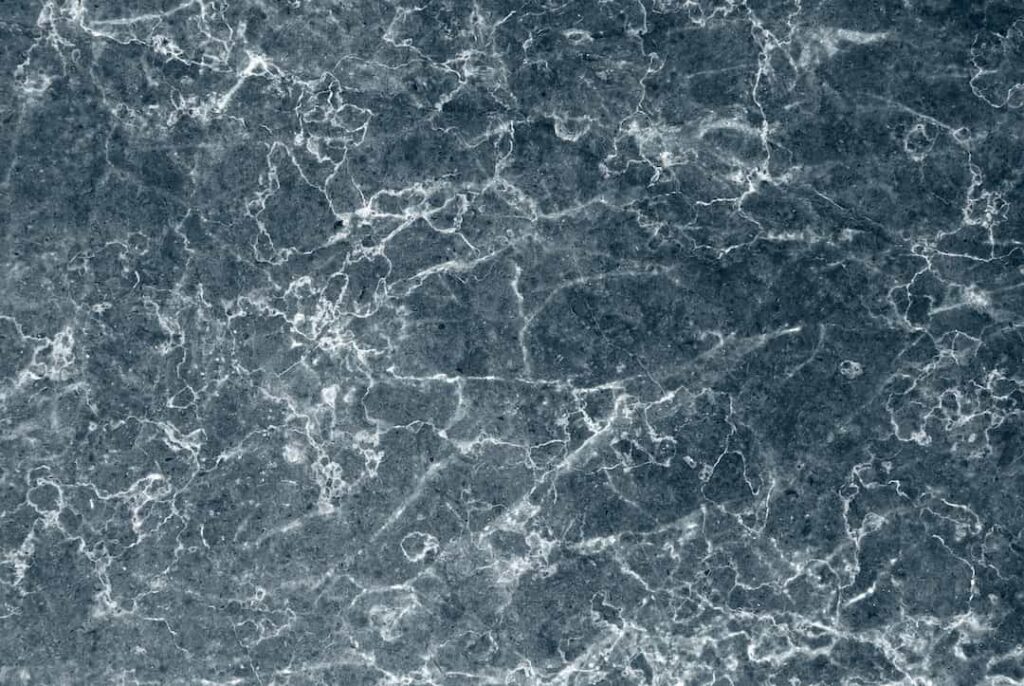
Italian marble is a type of limestone that has undergone metamorphism due to heat and pressure, resulting in a beautiful, crystalline structure. It comes in various colors, including white, gray, pink, and green, and each type has unique veining and patterns. Marble is known for its high polish and transparency, which can give it a luxurious, almost ethereal appearance.

The history and reputation

Italian marble has been quarried in Italy for over 2,000 years, with some of the earliest quarries dating back to ancient Rome. The marble was used in many important buildings and monuments, including the Pantheon and Trajan’s Column. Marble was a popular material during the Renaissance, used extensively in sculptures, installations, and decorative arts. Today, marble is still considered the epitome of luxury and is used in high-end residential and commercial projects worldwide.

Advantages

The unique beauty

Italian marble is known for its captivating beauty, with each type having unique colors, veining, and patterns. The stone’s natural translucency allows light to pass, creating a delicate, almost otherworldly appearance. The marble’s high polish and smooth texture make it a popular choice for luxury design projects.

The durability and longevity

Italian marble is incredibly durable and long-lasting, with some buildings in Italy still standing after hundreds of years. Its hardness also makes it resistant to scratches and damage, making it an excellent choice for high-traffic areas.

The versatility of design

italian marble

Italian marble is a versatile material used in various design styles. Whether looking for a classic, traditional look, or a modern, sleek design, marble can suit any style. It can also and shaped to fit unique spaces and structures.

Popular Types

italian marble

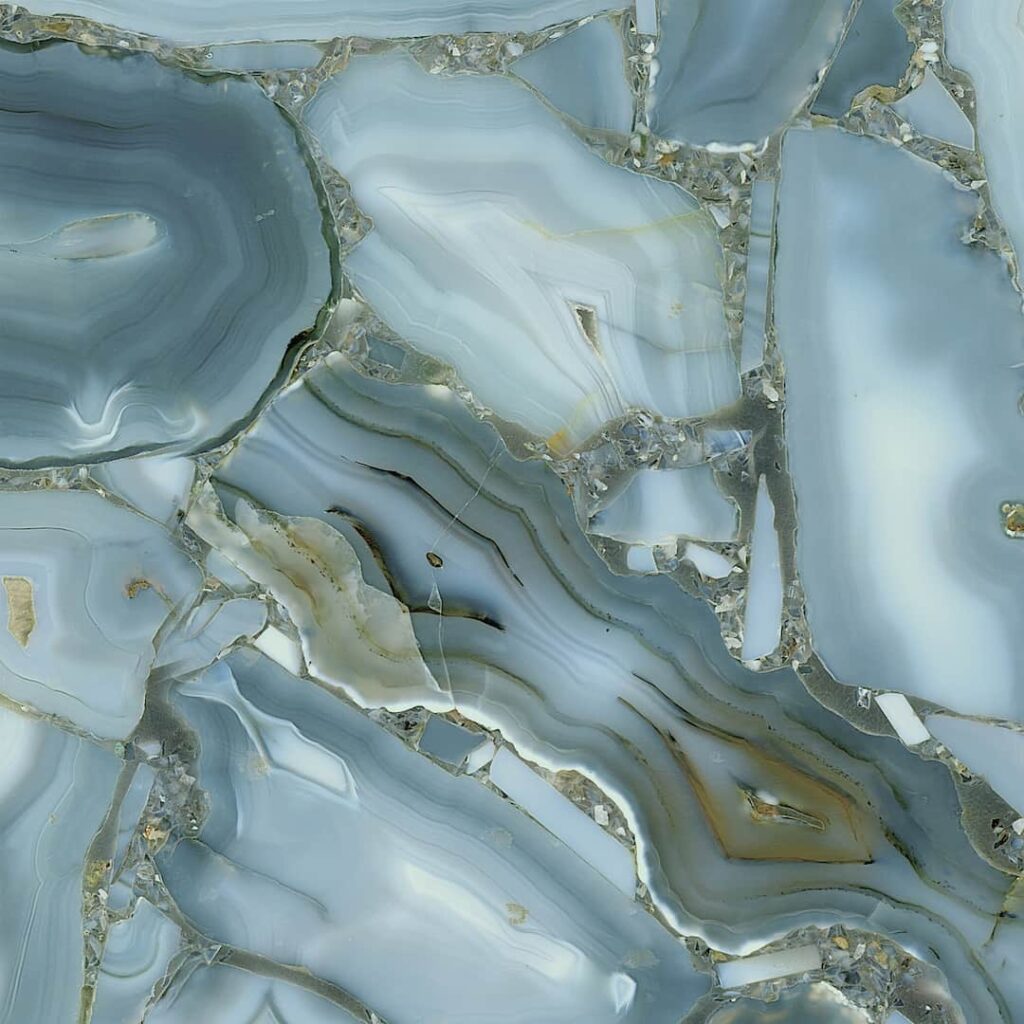
This excerpt provides information on five different types of Italian marble. Carrara marble is a delicate white or blue-gray with feathery veining; Calacatta marble is white with bold veining in shades of gray and gold and is considered valuable; Statuario marble is striking white with dramatic veining in shades of gray and black and is used in high-end projects; Botticino is a beige marble with light veining, often used for flooring in commercial spaces; Emperador marble is a brown marble with more delicate veining, commonly used for bathroom countertops and flooring.

Applications in Home and Business

Luxurious Italian Marble for timeless beauty in your home or business

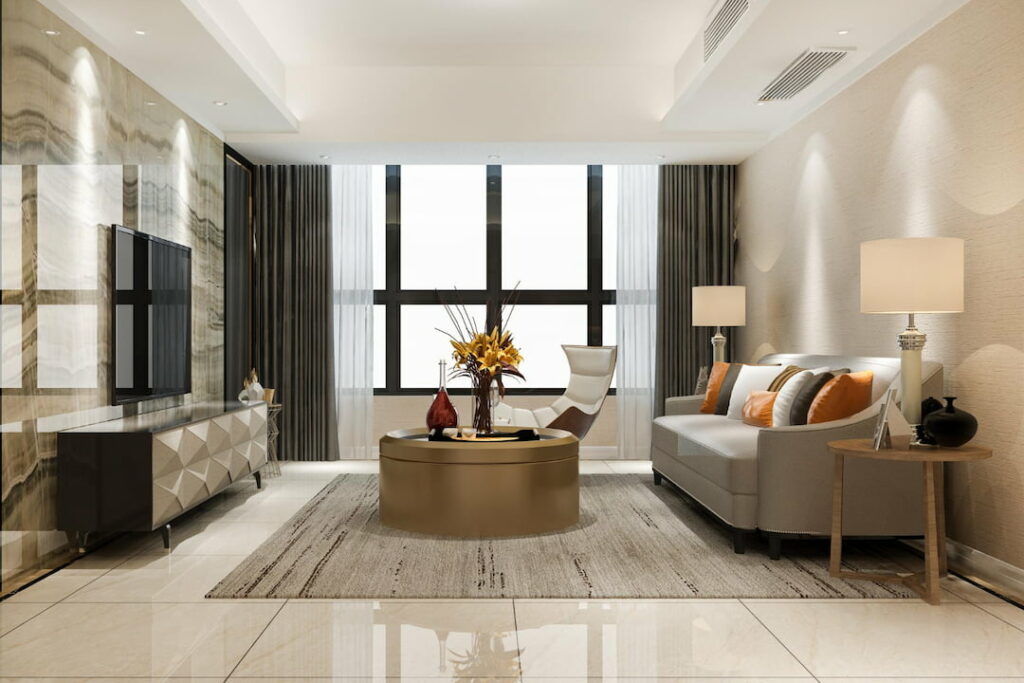
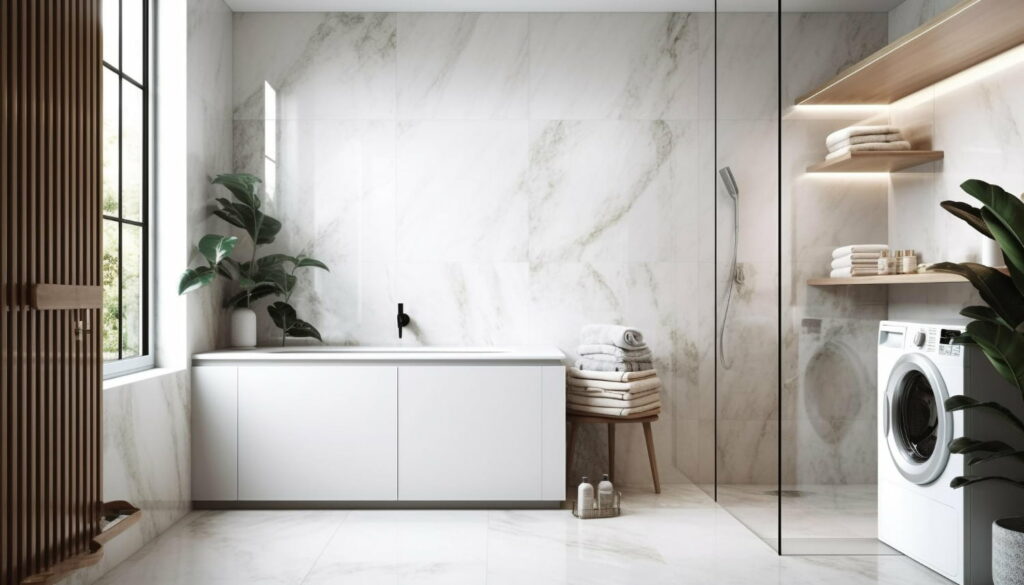
Best known for its sturdiness and unparalleled allure, Italian marble is highly favored as the preferred flooring material in several places, such as kitchens, bathrooms, entryways, and living rooms. It is also commonly used as a countertop material due to its resistance to scratches and heat, giving kitchens and bathrooms a luxurious, high-end look.

In addition, marble can be used as wall cladding to create stunning feature walls or add subtle texture and beauty to a space. As a material, it is also highly sought after for decorative sculptures and accents, holding fine detailing and adding a touch of luxury and elegance to any space. From fireplace mantles to ornate sculptures, marble is a popular choice for adding sophistication and richness to interior design.

Maintaining and Preserve its Beauty

italian marble

Italian marble is a luxurious and timeless choice for homes and businesses. To maintain its beauty and durability, proper cleaning and care are crucial. Use a soft, damp cloth or mop with a mild soap solution to clean, and avoid acidic or abrasive cleaners. Quickly clean up spills to prevent stains from setting in. To prevent any scratches or unsightly marks, ensure the usage of coasters, avoid placing anything sharp or heavy upon the surface, and always utilize a designated cutting board when preparing food. Periodically sealing marble provides extra protection from stains and damage, but consult a professional for the appropriate sealing schedule.

Italian Marble vs. Other Natural Stones

Italian marble is often compared to popular natural stones like granite and quartz. While each stone has its unique characteristics, some differences exist. Granite is a more complex, durable stone than Italian marble and less prone to scratches and chips. Manufactured quartz is a highly durable material that resists scratches and stains, which is why it’s commonly selected for kitchen surfaces.

Marble is known for its beauty and luxuriousness. It has a softer, more delicate appearance than other stones and is for decorative purposes rather than functional ones. When choosing a natural stone, consider the desired functionality, aesthetic, and maintenance requirements. Marble is an excellent choice for decorative accents, such as fireplace surrounds and tabletops. Granite and quartz, on the other hand, are better suited for high-traffic areas like kitchen countertops.

Investing for Long-Term Value

Investing in Italian marble may come with a higher upfront cost, but it can offer long-term value and a high return on investment over time.

The financial benefit

Italian marble is a high-end material that can add significant value to a property. It is sought after by buyers and can make a property more attractive and desirable.

Long-term value and ROI

While Italian marble may require more maintenance than other building materials, its durability and timeless beauty can make it a worthwhile investment. Additionally, properties with high-end materials like marble often have a higher resale value, offering a high return on investment over time. In conclusion, marble is a timeless material with unparalleled beauty, durability, and versatility. Investing in marble can add significant value and charm, whether designing a new home or renovating a business space. Marble can retain its stunning appearance for decades by following proper care and maintenance techniques. If you want to elevate your interior design’s aesthetics, consider incorporating Italian marble into your plans.

Categories
Articles

PVC Roofing Sheet: a reliable and versatile roofing solution

When choosing a suitable roofing material, durability, versatility, and cost-effectiveness are crucial factors. PVC sheets have become increasingly popular for residential and commercial buildings. These sheets offer exceptional qualities and numerous advantages, making them a reliable option for various roofing needs. This article will explore PVC roofing sheets, their benefits, applications, and why they are an excellent choice for your roofing project.

Understanding PVC roofing sheets

pvc roofing sheet

PVC roofing sheets are made from a durable plastic polymer called PVC. This material is known for its ability to withstand weather conditions, resist chemicals, and provide thermal insulation. PVC sheets are available in corrugated panels or flat sheets, which are easy to install on different roofs, such as flat or pitched roofs and industrial structures.

Also read: Exploring Polycarbonate Roofing Sheets

Types of PVC roofing sheets

PVC roofing sheets come in different types to suit various needs and preferences. Let’s take a look at some common types of PVC roofing sheets that are easy to understand:

Corrugated PVC roofing sheet

Corrugated PVC sheets have a wavy pattern with alternating peaks and valleys. They are lightweight, easy to install, and offer excellent weather resistance. These sheets are used in residential, commercial, and agricultural structures.

Flat PVC roofing sheet

Flat PVC sheets are smooth and flat without any waves. They are versatile and can be used for many roofing applications. Flat PVC sheets are commonly used in commercial and industrial buildings when a modern and sleek appearance is needed.

PVC roofing membrane

PVC roofing membranes are flexible sheets used for flat or low-sloped roofs. They come in rolls and can be heat-welded to create a seamless, watertight roof surface. PVC roofing membranes are durable and weather-resistant, making them famous for commercial and industrial buildings.

Translucent PVC roofing sheet

Translucent PVC sheets allow natural light to pass through, providing gentle and diffused lighting. They are used in areas where natural daylighting is preferred, such as greenhouses, agricultural structures, or commercial buildings. Translucent PVC roofing sheets are energy-efficient and reduce the need for artificial lighting during the day.

PVC roofing tiles

PVC roofing tiles resemble traditional roofing materials like clay tiles or slate. They offer the benefits of PVC, such as durability, weather resistance, and low maintenance, while providing an appealing look. PVC roofing tiles are available in different styles, colours, and textures, allowing customization to match various architectural designs.

It’s essential to remember that the availability of specific types of PVC sheets may vary based on your location and suppliers. When choosing a type of PVC roofing sheet, consider factors such as your roof design, local climate conditions, desired aesthetics, and intended use to find the best fit for your roofing project.

Advantages

Durability and Weather Resistance

PVC roofing sheets are highly durable and can endure harsh weather conditions. They can resist UV radiation, extreme temperatures, and heavy rainfall. Unlike traditional roofing materials, PVC sheets do not crack, warp, or corrode over time, ensuring long-term protection for your property.

Versatility and Easy Installation

PVC roofing sheets come in various sizes, thicknesses, and colours, allowing customization to fit specific project requirements. They are lightweight, making them easy to handle and install, which reduces labour and installation costs. It is easy to cut PVC sheets to fit any shape or size, providing flexibility during installation.

Low Maintenance

One of the significant advantages of PVC roofing sheets is their low maintenance requirements. Unlike traditional materials that may need periodic repairs and replacements, PVC sheets are virtually maintenance-free. Their smooth surface prevents dirt, moss, or debris from accumulating, reducing the need for regular cleaning and upkeep.

Energy efficiency

PVC roofing sheets have excellent thermal insulation properties, which help reduce heat transfer between the roof and the interior space. This energy efficiency translates into lower heating and cooling costs, making PVC an environmentally friendly choice for homeowners and businesses.

Cost-effectiveness

PVC roofing sheets offer a cost-effective solution compared to other roofing materials like metal or clay tiles. They have relatively low production and installation costs, a long lifespan, and minimal maintenance requirements. It makes PVC sheets a financially viable option for individuals or organizations on a budget.

Applications of PVC roofing sheets

Residential Roofing

PVC roofing sheets are applied in residential roofing. For new construction or roof replacements, PVC sheets offer homeowners a durable, attractive, and affordable solution. The versatility of PVC allows for various design options, ensuring compatibility with different architectural styles.

Commercial and Industrial Roofing

PVC roofing sheets are used in commercial and industrial buildings, including warehouses, factories, and agricultural structures. Their durability, weather resistance, and chemical stability suit these demanding environments. PVC sheets can also be used in fine form, allowing natural light to enter the building and reducing the need for artificial lighting.

Temporary Structures and DIY projects

The versatility and ease of installation make PVC roofing sheets ideal for temporary structures like sheds, garages, or agricultural shelters. These lightweight sheets can be easily transported and installed by DIY enthusiasts. Their affordability and durability make PVC sheets an excellent option for small-scale construction projects.

Sustainability and environmental impact

PVC roofing sheets have made significant progress in reducing their environmental impact. Modern PVC sheets are manufactured using eco-friendly processes and contain recycled content. Additionally, PVC can be recycled at the end of its lifespan, reducing waste and promoting a circular economy.

Conclusion

PVC roofing sheets are a reliable and versatile choice for different roofing needs. Their durability, low maintenance, energy efficiency, and cost-effectiveness make them an excellent option for residential and commercial buildings. Whether constructing a new building or planning a roof replacement, consider a PVC roofing sheet for long-lasting protection. Embrace the qualities of PVC roofing sheets and enjoy a sturdy and reliable roof for your property.

You may also like to read:
  1. Experience the Beauty of Natural Light with a Glass Roof
  2. Clay Roof Tiles
  3. Exploring different types of plastic roof sheets
Categories
Articles

Clay Roof Tiles: A guide to types, features, and benefits

Have you ever wondered why some houses have those beautiful red, curved tiles on their roofs? Well, those are called clay roof tiles, and they have been used for a very long time because they are strong, look nice, and have many advantages. In this article, we will learn about the different types of clay roof tiles, their uniqueness, and why they are a good choice for homes.

clay roof tiles

Types of clay roof tiles

Traditional S-shaped tiles

These tiles have a curved shape that looks like the letter “S.” They are often seen in warm places and give houses a cosy, old-fashioned look.

Flat tiles

Flat clay tiles have a smooth, flat surface and a more modern appearance. It is possible to arrange them in different patterns to create unique roof designs.

Interlocking tiles

Interlocking tiles fit together like puzzle pieces. They are strong and can withstand strong winds and heavy rain. These tiles are used in areas with rough weather conditions.

Also read: Exploring Polycarbonate Roofing Sheets

Special qualities of clay roof tiles

Long-lasting

Clay roof tiles can last many years without damage. They are resistant to insects, rot, and even fire, so they stay in good shape for a long time.

Keeps the house comfortable

Clay tiles keep the house cool in hot summers and warm in cold winters. They help save energy and reduce heating and cooling costs.

Safe from Fires

Clay tiles, unlike other roofing materials, do not catch fire easily. It makes them a safer option for homes and may also help lower insurance costs.

Protects from Water

Clay roof tiles are designed to keep water out. Their shape and interlocking design prevent water from seeping inside the house, keeping it dry even during heavy rainstorms.

Advantages of clay roof tiles

Looks beautiful

Clay tiles are known for their timeless beauty. They come in many colours and shapes, allowing homeowners to create their desired look and make their houses stand out.

Clay Roof Tiles: A guide to types, features, and benefits

Easy to take care of

Clay tiles only require a little maintenance. They don’t need to be painted or sealed often, and they resist mould and algae growth. Regular checks and occasional cleaning are usually enough to keep them in good condition.

Good for the environment

Clay is a natural resource, which means it’s better for the environment than artificial materials. Clay tiles can also be recycled or repurposed when no longer needed.

Conclusion

Clay roof tiles are famous for many homeowners and architects because they are strong, look great, and offer many benefits. They come in different shapes and types, each with its unique qualities. Clay tiles are long-lasting, keep homes comfortable, and protect against fire and water damage. They also add beauty to houses, are easy to Care for, and are better for the environment. So, the next time you see those lovely red tiles on a roof, you’ll know why they are so unique!

You may also like to read:
  1. Natural Light with a Glass Roof for Your Home or Business
  2. PVC Roofing Sheet: a reliable and versatile roofing solution
  3. Exploring different types of plastic roof sheets
Categories
Articles

Exploring different types of plastic roof sheets

Have you ever wondered about the different materials used for roofs? Well, plastic roof sheets are becoming more popular nowadays! They are lightweight, durable, and can withstand other weather conditions. This article will discover the various types of plastic roof sheets and why they are an excellent choice for your home or building.

Understanding plastic roof sheets

Thermoplastic roof sheets come from polycarbonate, PVC, and acrylic materials. They are strong but not heavy and can be used for different purposes. Many other sizes, colors, and shapes are available to fit any design you want for your roof.

Exploring different types of plastic roof sheets

Polycarbonate roof sheets

One type of plastic roof sheet is made from a material called polycarbonate. These sheets are super strong and can handle challenging situations. They are used in greenhouses, industrial buildings, and patio covers. Polycarbonate roof sheets also protect us from harmful UV rays from the sun.

PVC roof sheets

Another type of plastic roof sheet is made from a material called PVC. PVC roof sheets are popular because they are affordable and versatile. They are lightweight and easy to install. You can find them in different colors and shapes. People usually use PVC roof sheets like carports, pergolas, and conservatories for their homes.

Acrylic roof sheets

Acrylic roof sheets are known for their clarity and ability to let in lots of natural light. They use where we want more light, like sunrooms, skylights, and covered walkways. Acrylic sheets are also lightweight and strong. They come in different tints and can protect from the sun’s rays.

Advantages of plastic roof sheets

They have many advantages that make them an excellent choice for roofs

Durability

They can handle extreme weather, like strong winds, heavy rain, and even hailstorms. They are tough and won’t break easily, so they last longer.

Lightweight

Plastic roof sheets are light, unlike heavy roof materials. It makes them easier to carry and install. It also puts less pressure on the building’s structure.

Versatility

You can find plastic roof sheets in different sizes, colors, and shapes. It means you can choose the one that fits your style and design preferences.

Energy efficiency

Some plastic roof sheets, like polycarbonate and acrylic, can help keep the inside of the building cool. They prevent too much heat from getting in, so you don’t need as much air conditioning.

Cost-effective

Plastic roof sheets are usually cheaper than other roofing materials. They also last a long time and don’t need much maintenance. It can save you money in the long run.

Installation considerations

When installing plastic roof sheets, keep these things in mind:

Proper Installation

Make sure to follow the instructions given by the manufacturer. It’s best to hire professionals who know how to install them correctly. This way, you can avoid problems like leaks or damage to the structure.

Maintenance

They are easy to maintain. Just clean them regularly to remove dirt and leaves. Avoid using harsh chemicals or things that can scratch or damage the sheets.

Conclusion

Plastic roof sheets are an intelligent choice for roofs because they are durable, versatile, and cost-effective. Whether you choose polycarbonate, PVC, or acrylic sheets, they all have unique benefits. These lightweight sheets can handle harsh weather and come in different styles and colors. Plastic roof sheets are the way to go if you want a roof that lets in lots of light or keeps your building cool.

Categories
Articles

OPC vs PPC cement: Understanding the difference for your construction projects?

The type of cement determines a building’s structural integrity, and durability is crucial for ensuring the structural integrity and durability of the building. OPC (Ordinary Portland Cement) and PPC (Portland Pozzolana Cement) use cement varieties. While both have merits, understanding the critical differences between OPC vs PPC can help contractors and engineers make informed decisions. This article will delve into the characteristics, benefits, and applications of OPC vs PPC, shedding light on their strengths.

OPC: The Foundation of Modern Construction

Discussing OPC vs PPC Let’s start with OPC. Ordinary Portland Cement (OPC) is the most widely used cement type worldwide and for a good reason. Hydraulic cement undergoes a chemical reaction with water to form a solid, robust structure. Here are some key features and benefits of OPC.

Strength and Durability

OPC offers excellent early strength, making it ideal for projects that require quick setting times. It possesses high compressive strength, ensuring the longevity and stability of the structure. Additionally, OPC is resistant to harsh environmental conditions, such as freeze-thaw cycles, providing durability in various climates.

Versatility

OPC can operate in various construction applications, including foundations, walls, columns, beams, and precast elements. Its versatility makes it suitable for residential and commercial projects, offering reliable performance across diverse construction scenarios.

Rapid Setting

OPC has a shorter setting time than PPC, allowing for faster construction progress. This advantage is particularly beneficial in time-sensitive projects or situations where early strength development is essential.

Initial Cost

OPC is more cost-effective than PPC, which makes it an attractive option for budget-conscious projects. The widespread availability of OPC and its established production processes contribute to its competitive pricing.

Choosing the Right Cement for Your Project

Following the discussion about OPC vs PPC, let’s discuss PPC. Portland Pozzolana Cement (PPC) is gaining popularity in construction due to its eco-friendly properties and enhanced workability. Let’s explore the unique aspects of PPC.

Pozzolanic Material

PPC contains pozzolanic materials like fly ash, volcanic ash, and silica fume, which adds during cement manufacturing. These materials act as supplementary cementitious materials, enhancing the cement’s properties and reducing its carbon footprint.

Sustainability

By utilizing waste materials like fly ash, PPC reduces the demand for non-renewable resources and helps curb environmental pollution. Incorporating pozzolanic materials also leads to lower heat of hydration, reducing the risk of thermal cracking.

Workability

PPC exhibits better workability than OPC, making it easier to handle and mix. It provides improved cohesion, reduced water demand, and enhanced resistance to segregation, resulting in smoother concrete surfaces. These properties make PPC well-suited for intricate architectural designs and decorative elements.

Reduced Risk of Alkali-Silica Reaction

PPC’s pozzolanic content helps mitigate the risk of alkali-silica reaction, which can cause expansion and cracks in concrete structures over time. This advantage enhances the long-term durability of the construction.

Choosing the Right Cement for Your Project

OPC vs PPC cement: Understanding the difference for your construction projects?

The selection between OPC vs PPC depends on several factors, including project requirements, environmental considerations, and budget constraints. Here are some guidelines to assist in making an informed decision.

Strength and Setting Time

If early strength development and rapid setting are crucial for your project, OPC might be the better choice. However, PPC can be a suitable option if you can afford a slightly longer setting time and prioritize long-term durability.

Sustainability and Environmental Impact

PPC is a sustainable choice for environmentally-conscious projects aiming to reduce carbon emissions and utilize waste materials. It contributes to green building practices and supports sustainability goals.

Cost and Availability

OPC generally has a lower initial cost compared to PPC. However, regional availability and market dynamics can influence cement prices, so it’s essential to consider the local context before finalizing the selection.

Conclusion

Final thoughts on OPC vs PPC. I am choosing the right cement type, whether OPC vs PPC, is critical in construction projects. OPC provides excellent early strength, durability, and versatility, making it a reliable choice for various applications. On the other hand, PPC offers sustainability benefits, improved workability, and reduced risk of alkali-silica reaction.

By understanding the characteristics and benefits of each cement type, contractors and engineers can make informed decisions based on project requirements, environmental considerations, and budget constraints. Ultimately, the right choice will contribute to the successful completion of construction projects while ensuring the built environment’s long-term structural integrity and sustainability.

Categories
Articles Design

13 big leaf indoor plants: add green beauty to your space!

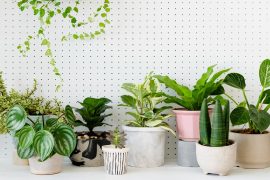
Big Leaf Indoor plants can make your home or office look beautiful and bring health benefits too! Some plants have big leaves that make any room feel like a lush green paradise. This article will explore 13 big leaf indoor plants perfect for making your space vibrant and exciting. These plants are easy to care for and will make your room look amazing!

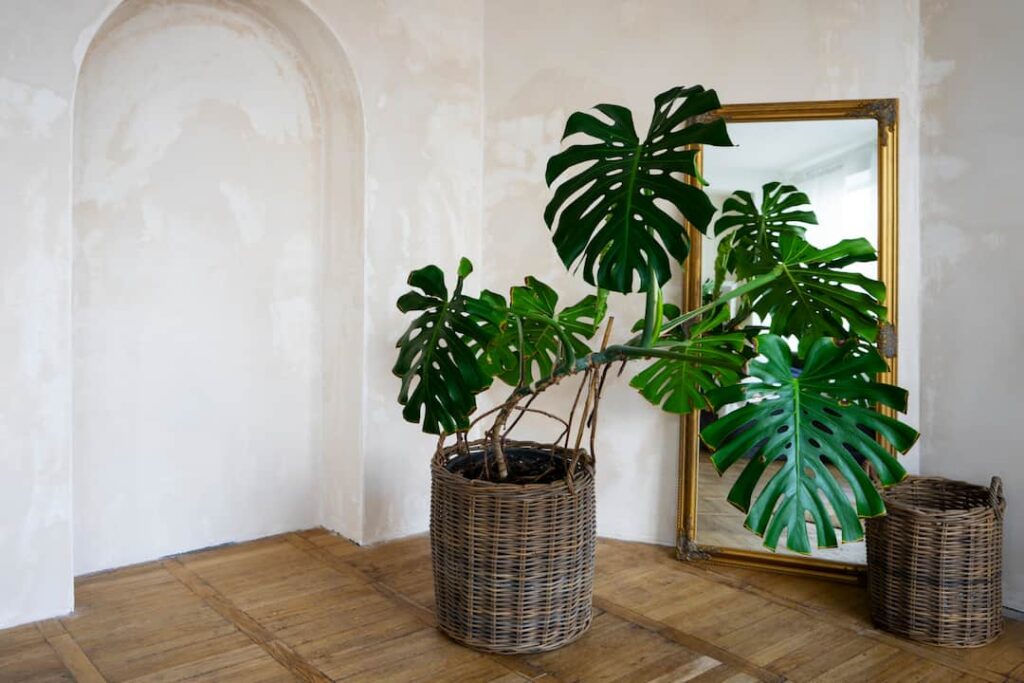
Monstera Deliciosa: The Swiss Cheese Plant

big leaf indoor plants

Among the big leaf indoor plants, it is an important one. The Monstera Deliciosa has unique leaves with holes, just like Swiss cheese! It likes medium to bright light and needs water when the soil is dry. The leaves can grow up to three feet wide, making it a great centerpiece in any room.

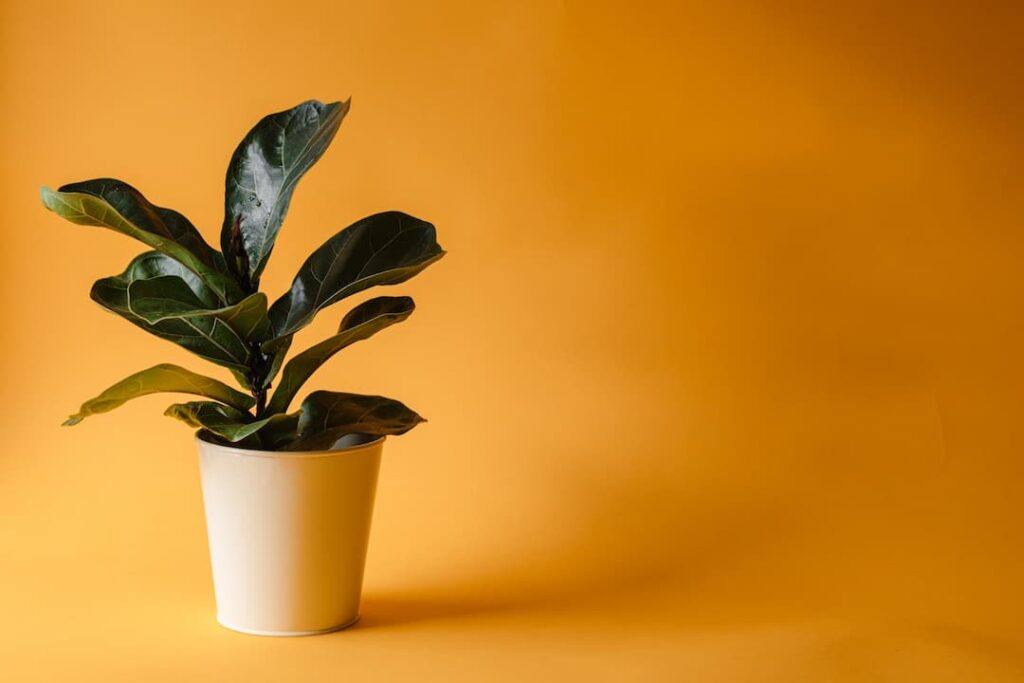
Ficus Lyrata: The Fiddle Leaf Fig

big leaf indoor plants

The Fiddle Leaf Fig has leaves that look like the shape of a violin. Bright light is necessary, but not direct sunlight. Water it when the top part of the soil feels dry. The Fiddle Leaf Fig will add elegance to your space.

Alocasia Amazonica: The African Mask Plant

The Alocasia Amazonica has arrowhead-shaped leaves with remarkable patterns on them. In the group of big leaf indoor plants, it plays an important role. It likes bright light and needs a bit of humidity. Water it when the top part of the soil is dry. This plant will catch everyone’s attention with its unique leaves.

Philodendron Xanadu: The Tropical Beauty

The Philodendron Xanadu has big, lobed leaves that look tropical. It likes medium to bright light and needs evenly moist soil. This plant is easy to care for and will bring a tropical feel to your space.

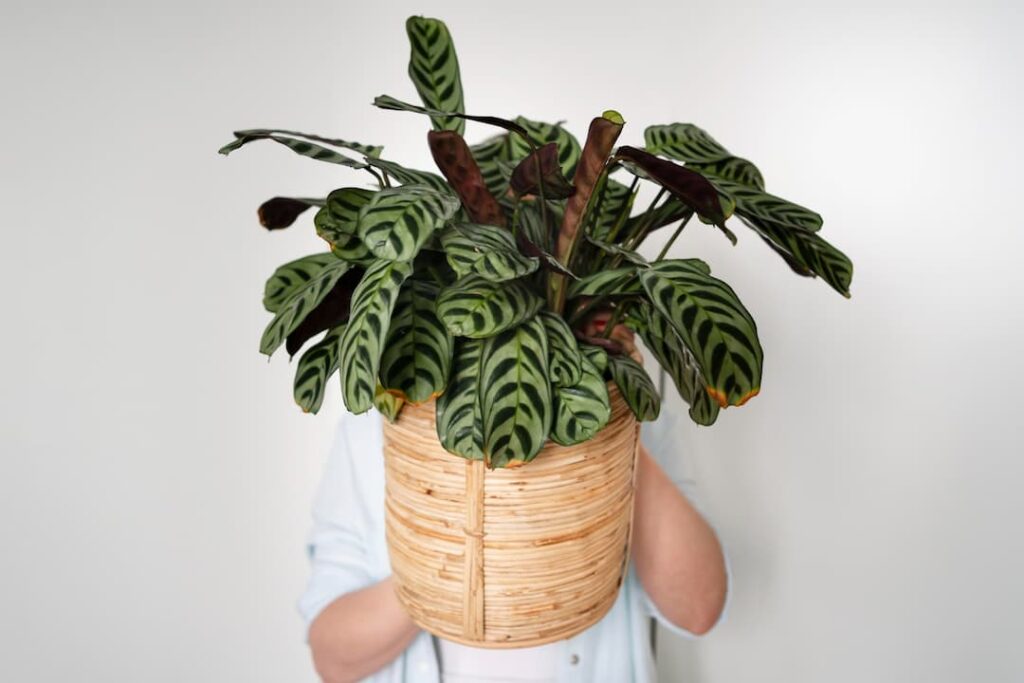
Calathea Orbifolia: The Peacock Plant

big leaf indoor plants

The Calathea Orbifolia has round leaves with pretty silver patterns. It likes medium to bright light and needs the soil consistently moist. This plant is beautiful and cleans the air in your room.

Schefflera Amate: The Umbrella Tree

The Schefflera Amate has shiny leaves that look like little umbrellas. Water it regularly. You can let it grow tall like a tree or keep it small by pruning. Elegance will be added to your space.

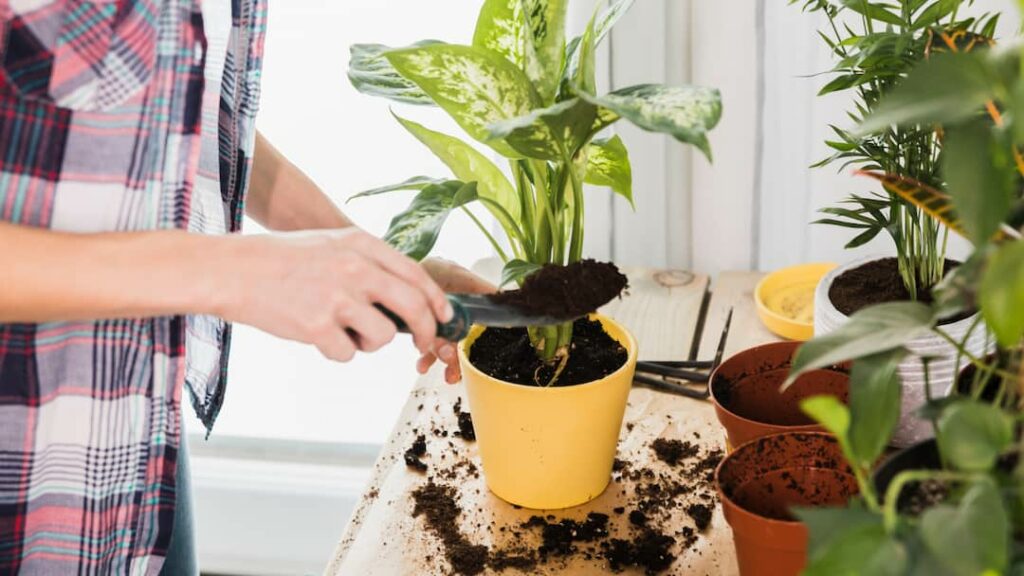
Dieffenbachia: The Dazzling Dumb Cane

big leaf indoor plants

Dieffenbachia has large leaves with different patterns on them. It likes medium to bright light and needs well-draining soil. Be careful when touching it because its sap can cause skin irritation. This plant will make your room lively and colorful.

Alocasia Polly: The Jewel Alocasia

The Alocasia Polly has arrowhead-shaped leaves that are dark green. Despite its preference for bright light, it does not like direct sunlight. Water it regularly. This small plant will make your space look unique and special.

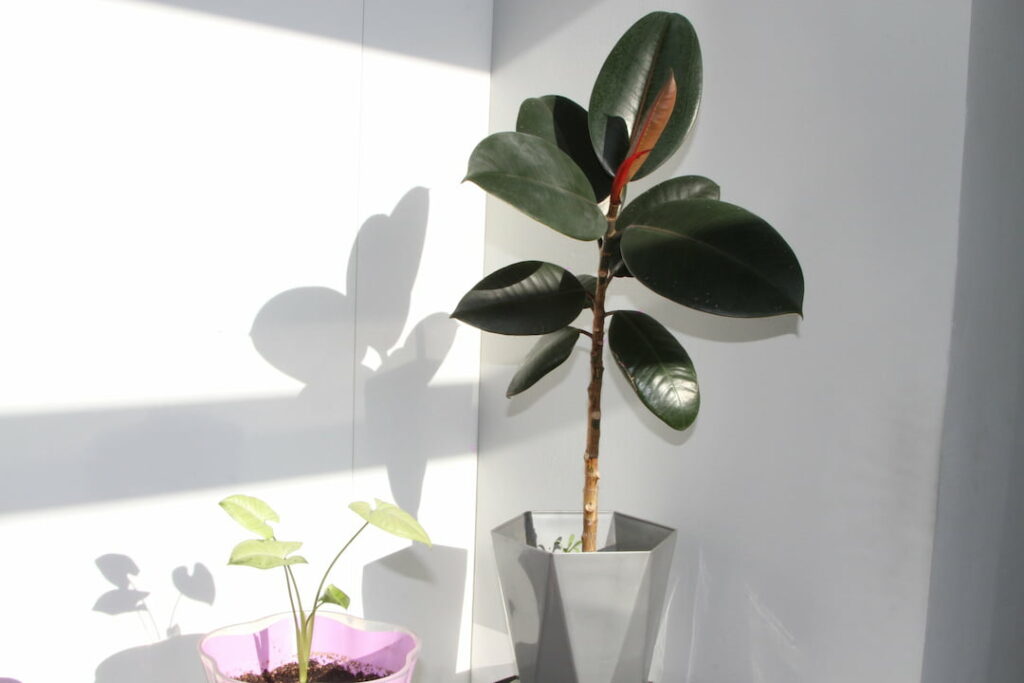
Rubber Plant: The Classic Foliage Beauty

big leaf indoor plants

The Rubber Plant has big, shiny leaves that can be green or burgundy. It plays a significant role in the group of big leaf indoor plants. Water it moderately. This plant is a classic choice and will make your room look beautiful.

Musa Acuminata: The Majestic Banana Plant

big leaf indoor plants

The Banana Plant has big, lush leaves that make you feel like a tropical paradise. Water it regularly. Although it might not produce fruit indoors, it will make your space feel like a vacation spot.

Pothos: The Versatile Trailing Beauty

indoor plants for oxygen

The Pothos is a trailing plant with heart-shaped leaves. It can grow in low light or bright light. It likes the soil to be slightly dry before watering. This plant is easy to take care of and will add beauty to any corner of your room.

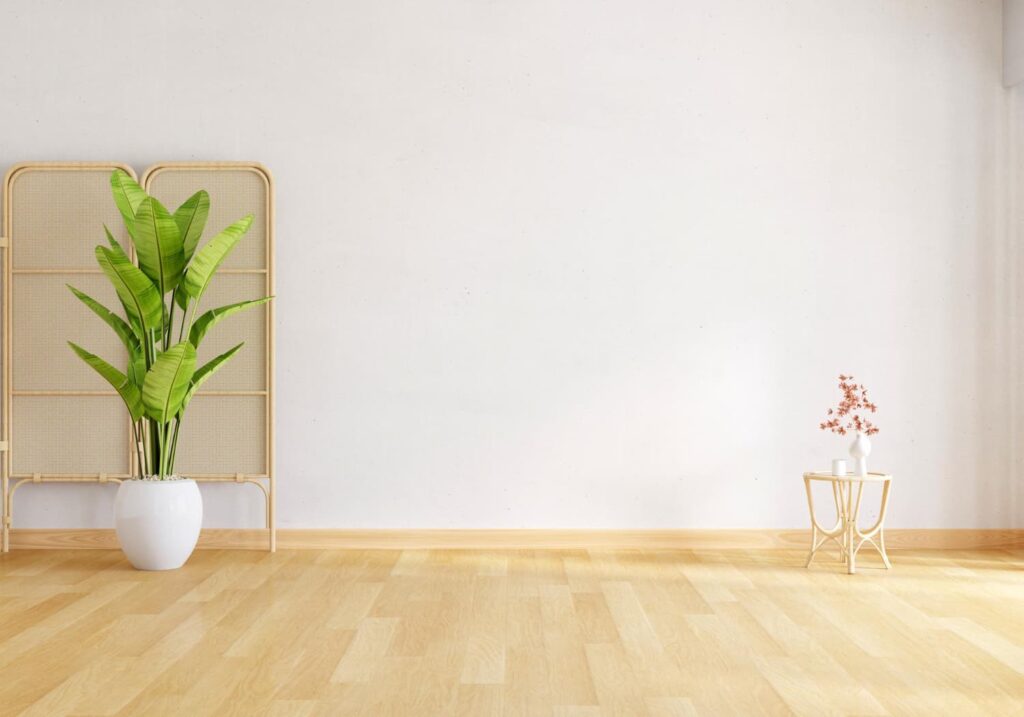
Bird of Paradise: The Tropical Stunner

The Bird of Paradise has large leaves and beautiful orange and blue flowers. It likes bright light but not direct sun rays. Water it regularly. This plant will bring a touch of the tropics to your space.

Yucca elephantipes: The Architectural Wonder

The Yucca elephantipes have long, sword-like leaves that look unique. It likes bright light but can tolerate lower light too. Water it sparingly. This plant will give your room a modern and stylish look.

Conclusion

Big leaf indoor plants can make your space look unique and fresh. Whether you choose the Monstera Deliciosa, Ficus Lyrata, or any other plant from our list, they are all easy to take care of. These plants will make your room feel like a green paradise and bring joy to your daily life. Have fun adding these beautiful plants to your space, and enjoy their benefits!

Categories
Articles Design

Breathe easy: Discover the top 10 indoor plants for oxygen

In today’s fast-paced and urbanized world, ensuring clean and fresh air indoors has become more important than ever. Indoor plants add beauty and serenity to our living spaces and play a crucial role in purifying the air we breathe. Certain plants are exceptionally adept at producing oxygen and removing harmful toxins, making them ideal choices for improving indoor air quality. This article will explore the top 10 indoor plants for oxygen-producing capabilities.

Areca Palm (Dypsis lutescens)

indoor plants for oxygen

The Areca Palm is a popular choice among indoor plant enthusiasts due to its ability to release copious amounts of oxygen during the day. Additionally, it efficiently filters toxins, such as xylene and toluene, from the air. This elegant plant thrives in bright, indirect light and requires regular watering to maintain its vibrant foliage.

Snake Plant (Sansevieria trifasciata)

indoor plants for oxygen

Known for its resilience and adaptability, the Snake Plant is an excellent oxygen-producing companion for any indoor setting. It has the unique ability to convert carbon dioxide into oxygen during the nighttime, making it a perfect choice for bedrooms. Furthermore, this plant is renowned for effectively filtering toxins, including formaldehyde and benzene.

Aloe Vera (Aloe barbadensis)

indoor plants for oxygen

Beyond its numerous healing properties, Aloe Vera is also a remarkable indoor plant for oxygen production. Aloe Vera releases oxygen at night, making it an excellent bedroom addition. Additionally, its gel can absorb harmful pollutants, such as formaldehyde and benzene, commonly found in cleaning products and paints.

Spider Plant (Chlorophytum comosum)

The Spider Plant is visually appealing and highly efficient in oxygen production. It is a resilient plant that thrives in various indoor conditions and is known for its air-purifying qualities. The Spider Plant effectively filters out carbon monoxide, formaldehyde, and other harmful pollutants, making it an ideal choice for improving indoor air quality.

Boston Fern (Nephrolepis exaltata)

indoor plants for oxygen

If you’re searching for an indoor plant for oxygen that combines elegance with air-purifying qualities, look no further than the Boston Fern. This lush, leafy plant is a natural humidifier, releasing moisture into the air while removing toxins like formaldehyde and xylene. Placing a Boston Fern in your living room or study can help maintain a refreshing and oxygen-rich environment.

Peace Lily (Spathiphyllum wallisii)

indoor plants for oxygen

The Peace Lily is renowned for its striking white flowers and remarkable ability to improve indoor air quality. This plant thrives in shady areas with indirect light, making it an excellent choice for spaces with limited sunlight. Not only does the Peace Lily produce oxygen, but it also effectively combats common indoor pollutants, such as benzene and trichloroethylene.

Bamboo Palm (Chamaedorea seifrizii)

indoor plants for oxygen

Known also as the Reed Palm, the Bamboo Palm is a versatile and hardy indoor plant that efficiently releases oxygen while removing toxins from the air. It excels at filtering formaldehyde, xylene, and toluene, making it an ideal choice for spaces with new furniture or carpets that may emit these harmful substances. The Bamboo Palm thrives in bright but indirect light and requires regular watering.

Rubber Plant (Ficus elastica)

indoor plants for oxygen

The Rubber Plant is a favorite among indoor gardeners for its attractive, glossy leaves and excellent oxygen-producing capabilities. It effectively removes formaldehyde from the air and can thrive in low-light conditions. The Rubber Plant requires minimal maintenance and can be a statement piece in any room while contributing to cleaner and fresher indoor air.

Dracaena (Dracaena spp.)

With its unique and vibrant foliage, the Dracaena family of plants offers a wide range of options for indoor oxygen production. These Indoor plants for oxygen effectively remove harmful toxins, including benzene, formaldehyde, trichloroethylene, and xylene. Some popular Dracaena varieties include the Dragon Tree (Dracaena marginata) and the Corn Plant (Dracaena fragrans). These plants prefer moderate to bright light and require regular watering.

Golden Pothos (Epipremnum aureum)

indoor plants for oxygen

The Golden Pothos is a versatile, low-maintenance indoor plant that adds charm to any space and improves air quality. It efficiently removes toxins like formaldehyde, benzene, xylene, and carbon monoxide. The Golden Pothos thrives in various light conditions, from low to bright indirect light, making it an excellent choice for beginners or those with less sunlight in their homes.

Conclusion

Enhancing indoor air quality is vital for our overall well-being, and incorporating Indoor Plants for Oxygen into our living spaces is a natural and aesthetically pleasing way to achieve this goal. The top 10 indoor plants for oxygen mentioned above offer various options suitable for multiple light conditions and personal preferences.

Whether you choose the elegant Areca Palm, the resilient Snake Plant, or the versatile Golden Pothos, these plants will provide fresh air and beautify your indoor environment. So, why not bring natural Indoor Plants for Oxygen and enjoy the benefits of cleaner, fresher air today?