Categories
Articles

Difference and Discernation: Architects and Civil Engineers

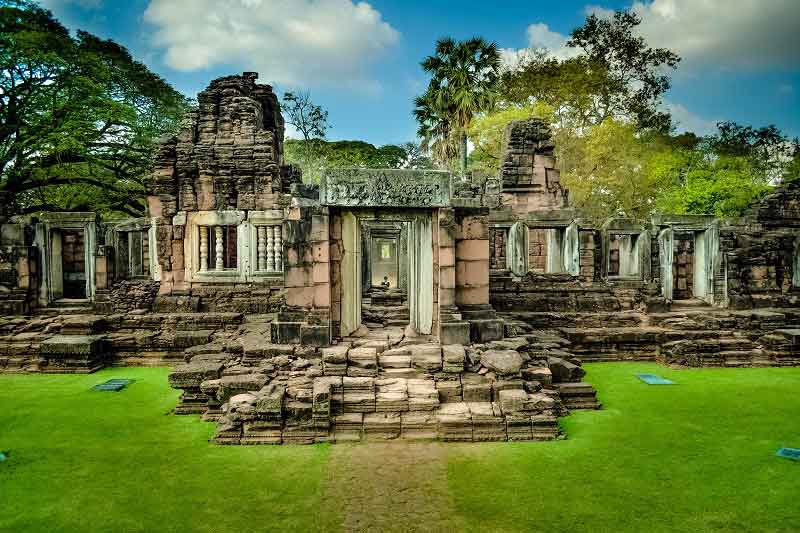
The topic at hand today is also one of the most aggravating and frustrating issues for architects all around the country. And I say in our country because Indians are ignorant and unbeknownst towards the fact that architects do exist in India and even if they do so, their attitude and credit-giving heart fail out when it comes to us. Not just in India but this fact has remained true for the Asian nations since ancient times. There are so many beautiful temples and other structures all around the country and even throughout the Oriental world, but the first thing that history books teach us is how great the benefactor who funded the structure and how great his/her vision was. The architect is rarely mentioned. Secondly, we learn and wonder about the engineering that was so sophisticated as to be able to conjure such a great structure that stands tall and keeps us in awe even for generations to come. What we never think of when documenting such things is how beautifully devised and designed such ancient treasures are and how rich the cultural incorporation in them was done by a handful of people who were geniuses forgotten from the tabloids of history. But hypocrisy exists today in the eyes of everyone when looking towards a European structure, wherein suddenly everyone remembers to praise the architects who designed those gems. And then, internal depreciation hits hard on a people without ever understanding the core of such reasons and the respect for the profession remains long lost.

Architectural work


This is the attitude that remains still at large to this day. And what hurts the most, in the end, is the fact that civil engineers take advantage of this situation and put themselves forward with dauntless and confident acclamation of being fully educated architects. People who just want to spend a fancy amount without doing proper research as such encourage these wrongdoers in their fraud. I would like to inform everyone that in this society of India where engineering is encouraged a lot and has become a prime profession for the youth of the country, the job expectancy of these posts has drastically reduced in the years that preceded and continues to do so. The result of this is hard-hitting fraudulent malpractice of civil engineers posing as architects. This is a serious case because when thinking of taking up higher studies, very few students think of going into architecture. The turn-up for engineering is extremely high in proportion to the former. If one is willing to practice architecture, then please truly pursue the course and do your part to spread awareness regarding the subject and study it. I do not want to be wrongly speculating anything or rather demean the course of engineering. Neither do I want to praise architecture to a mantle where everyone sees it differently. But it is a proven truth that architecture has been granted the position of No.1 concerning being the most difficult course in the world. To practice, architects need a government-approved license. The lack of which is surely existent among the many “so-called professional architects” freshly brewed out of engineering colleges.

DIFFERENCE AND DISCERNATION: ARCHITECTS AND CIVIL ENGINEERS


I am very sure the interest and zeal towards a good and beautiful home to live in exist among the masses in society. But this is a heartfelt request to everyone reading this to also respect the people who are professionals who help achieve this for you. The people of the architectural community feel highly disrespected and hurt when such cases of engineers posing as architects come up. Engineers are professionals who are better at dealing with the technicality of any machinery or man-made matter. Civil engineers are only good enough to help with the structural integrity of a building or a structure, a subject that is stressed enough in the course of architecture itself. So, relying on an architect for a building’s structure is not an option so far-fetched. But architects never go around taking that laurel away from them. Architecture, however, is a mixture of art and a very intricate process of designing that involves a lot of hard work and technical elements as well. Something civil engineers don’t know the world of.

Difference and Discernation: Architects and Civil Engineers


This is my request to all my readers to please understand the plight of us architects and also our efforts. The difference between us architects and engineers is clear as crystal. Please spread awareness about our profession, pursue it if you will, and respect and love the tradition and culture that architects who came before have built. Make society aware of it and help stop such misguided advantage from being taken of unaware people by a handful of miscreants who should be punished for their folly.

Categories
Articles

What is coworking Spaces?

Coworking space

When we say “coworking spaces”, the word that pops into our mind is “shared spaces”. Wikipedia defines coworking as a style of work that involves a shared working environment, usually an office or independent activity. Unlike in a regular office, coworking employees are usually not employed by the same organization.
The person behind coworking spaces is said to be Brad Neuberg who started the coworking movement in San Francisco in 2005 with the idea to combine the independence of freelancing with the structure and community of office space. He also invented the word “coworking” without a hyphen to describe these shared spaces where people can work freely without feeling burdened.

What is coworking Spaces?

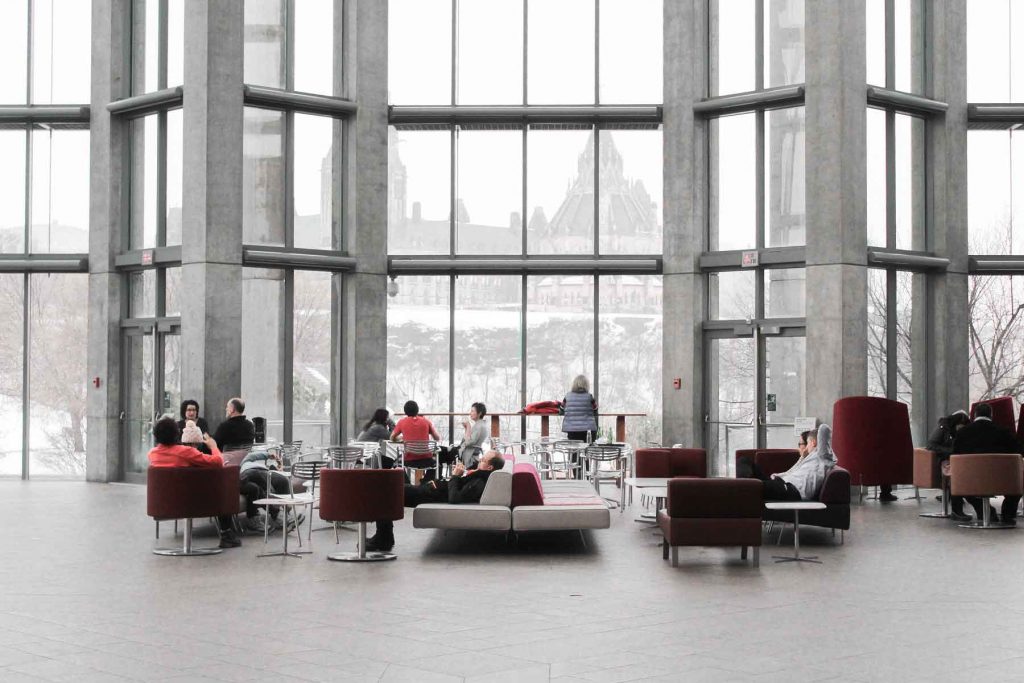
Coworking spaces have an aura that is completely different from a regular office. When we walk into such a space, the feeling of energy and motivation we get from all the excited occupants lights up the entire environment. We can see a variety of people, some being assigned private desks, and some engaged in deep conversations at huge shared tables or couches. What I wrote just now seems to be the culture of all coworking spaces. These spaces have a lot of office-like amenities as well, like hot desks, private meeting rooms, a kitchen, coffee, and more. Freelancers who aren’t ready to commit to an actual office scenario and who want to choose their working hours and schedule without isolation are the highest among those using coworking spaces. Start-Ups (a newly established business) is the second-highest as coworking spaces don’t come with the high cost and commitments of a traditional office lease.

Coworking space

Now, why do we need coworking spaces? The first point in the answer to that question would be “fun”. Coworking environments are fun and are the total opposite of most frustrating office scenarios. The straight and disciplined chairs can be turned into comfortable couches, beautiful doodles can adorn the walls, hours and hours of constant work period can change as timings in such spaces are flexible, soothing music can also be played in the background to freshen up minds. Also, the walls can be broken down by opening the blinds, coffee and snack bars can be brought in and the workspace can be designed in a way to feel more at home which helps network better with your team.

Another important point of using a coworking space is the growing costs of real estate. Be it America or India, the cost of renting or even buying property for a singular organization is very expensive, and for freelancers or startups, it is nearly impossible. The shared space idea along with all the other benefits of a coworking space is the reason that it has been growing rapidly. Also, coworking spaces are like a “ready to use as long you want “ thing and also can be expanded as the organization grows. But the most amazing thing about a coworking space is the feeling that you are not pushing through your dreams alone. There are others as well who are not only your colleagues but also become your friends/family at some point as you guys share a unique bond that is very different to find in stereotypical office environments.

Coworking space

Startups like Snapdeal, Urban Ladder and even Instagram work out of coworking spaces. So it doesn’t matter if you are a Freelancer or a large organization, the feeling of working in a place that looks great, has a sense of positivity with great coffee and food, has flexible working hours, cost and space is something which no individual of our generation must miss.

Categories
Articles

What is landscaping?

What is landscaping?


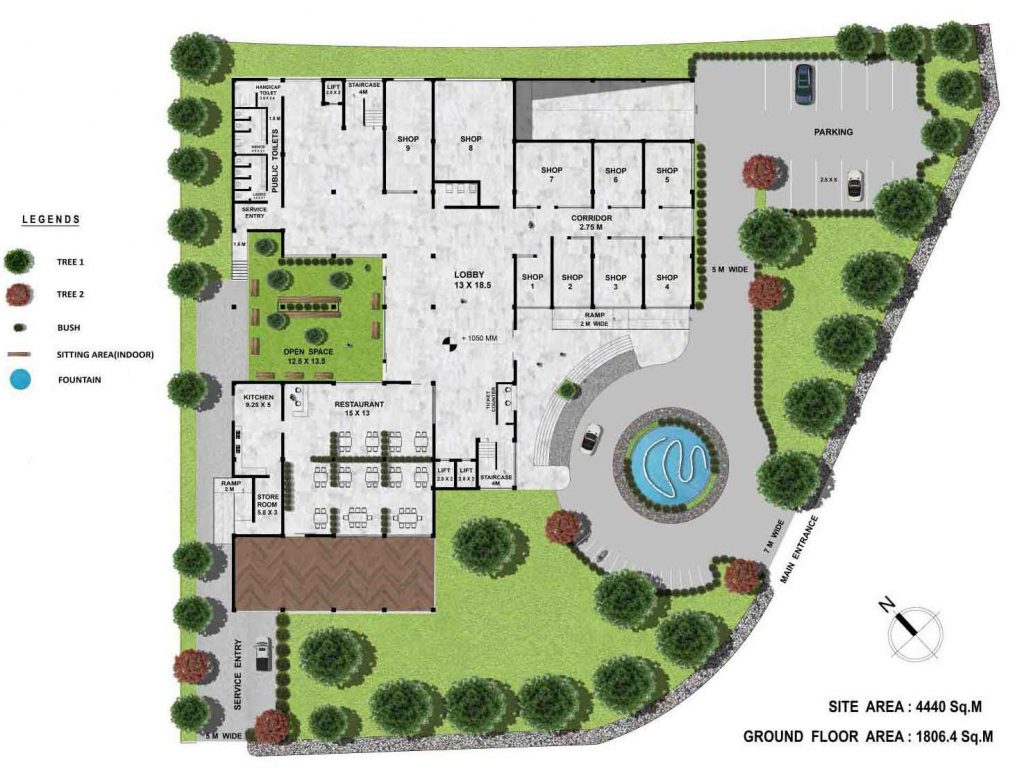
Landscaping is not gardening. Landscaping is designing everything that is under the sky and outside the built structures. It is the bridge that connects the outdoor and the indoor spaces and does justice to the concept of the design. Even a well-designed building loses its value if landscaping is neglected. The value of landscape architecture can be understood when the comparison is done between a well-landscaped site and a site that neglected the same. It is the landscaping that makes the design blend with the surroundings and the building. Landscaping is not just planting trees or introducing water bodies, it is beyond that. It requires observation and design skills as well as knowledge of both science and art. One must understand the elements of nature and human construction before designing the landscape.

What is landscaping

Elements of Landscape Architecture


These elements form the foundation of landscape architecture. Landscaping should be done considering these elements.


Natural elements

Water bodies, terrain, climate, and landforms are taken into consideration before jumping into the drafting desk. Proper analyses of these elements are a must or else the landscape might not be a blessing to the design.


Living elements

Flora and fauna that can be used while designing the landscape of the site. The requirement and availability of flora and fauna are studied before designing.


Man-made elements

Buildings, boundary wall, fences or other things that are constructed or installed on the site by human comes into manmade elements. The positioning of these structures should be taken into consideration when designing the landscape.

Principles of Landscape Architecture


Not just elements, but some principles influence designers to create more interesting, pleasing, and comfortable spaces. These principles are the guidelines that are used by landscape architects to grab the viewers’ attention.


Unity

The landscape of a site might have different parts but all the parts must have continuity to it. All the parts must symbolize unity and express their purpose in a single harmonious composition. The composition of the building and landscape should be on the same page. They should not tell a separate tale but a tale that unifies both of them together.


Proportion

The blend of various shapes and objects laid in the landscaping must be proportionate enough so that the visual effect creates a relationship among the objects. The harmonious proportion of the object gives a pleasing experience to the viewer’s eyes. This proportion of landscaping is a must.

What is landscaping?


Balance

The distribution of visual weight in such a way that visual forces achieve a state of equilibrium is a balance. It can be achieved symmetrically or asymmetrically. Even radial balance can also be achieved if arrangements of elements are done around a center point. Symmetrical balance is about the identical arrangement of elements about an imaginary common axis. Both sides are like the mirror image of each other. It is more formal and strict. Asymmetrical balance is about achieving a sense of visual balance with two dissimilar sides about the imaginary common axis.

Emphasis

It is the idea of creating a center of attraction in the landscaping to draw the viewer’s attention. Any object or area can be an emphasis in landscaping. It is the focal point in the design which kind of creates a lasting impression on the viewer’s mind.

What is landscaping

One can by heart the elements, and principles and take a degree in landscaping and still couldn’t design interesting outdoor spaces. Designing is not something that could be taught to someone. It comes with constant observation, practice, and imagination. What one wants to create he/she must try to visualize it in his/her thoughts and work accordingly. Landscaping is an important part of designing without which a site is blank and undoubtedly boring.

Categories
Articles

Vernacular Architecture and Its Materials

Vernacular Architecture

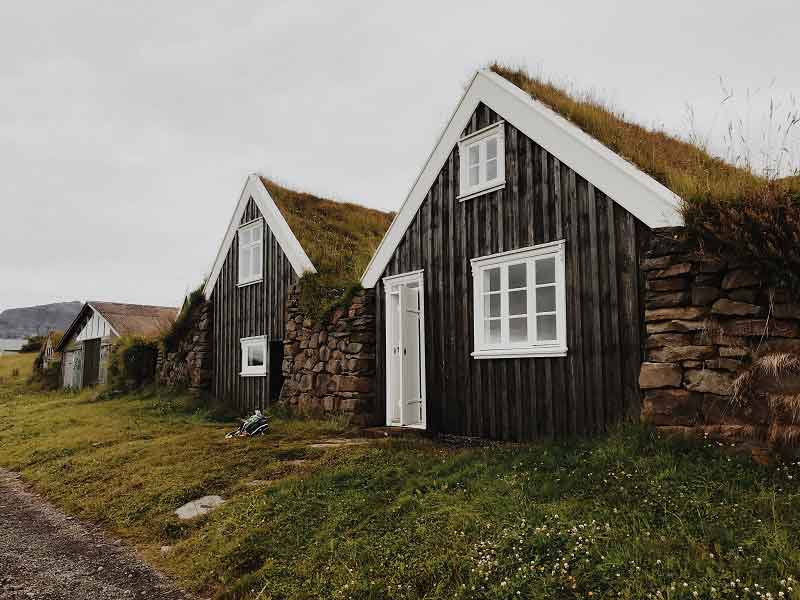
The term vernacular in architecture is used to refer to the indigenous architectural style that belongs to a particular region or cultural origin. Vernacular architecture refers closely to the designs that are convenient for that particular region keeping a few key factors into consideration. The factors that are taken into consideration are the geographical topography, climatic conditions as well and how prone to disasters (the types of disasters as well) that particular region is. Another but also one of the most important factors that stand for consideration is the types of materials that are locally available in abundance.

Vernacular architecture

Vernacularism of buildings is a very appreciated and upcoming form of architectural study. The understanding of a cultural and traditional style of construction is in many ways respecting the cultural, natural, and traditional heritage of any place. Not only that, vernacularism helps in understanding the psychological and societal structure of any person. One of the best aspects of vernacularism is the harmonious nature of such a construction system with nature, in that it is cost-effective, less straining on the environment, and most importantly, extremely practical.

Materials

It is widely believed that to learn architecture, one must be very thorough and true to the knowledge and understanding of one’s materials. This refers to the nature, purpose, and variation that a particular material serves when used during construction and the final condition that it reflects on the finished building. Materials are a very integral part of architecture and play a major role in any form of construction aiding to variety on many levels.

Vernacular architecture

A good architect always keeps himself conscious of the materials and their properties before the inception of any design. This is a conscious and knowledgeable choice that every architect must undergo to keep a clear vision. At the start of any design, the understanding of the materials that one chooses to use or apply for the particular project must be a clear decision. Once that goes under the hammer, a definite understanding of the finished picture should always arise reflecting on the materials’ properties and nature.

Vernacular Architecture and Its Materials
Categories
Articles

Striving towards better Architectural methods

Architecture is a profession that does not only teach one how to design a building but to design a space that can merge with the surrounding making it whole. It teaches us about all the things happening in the world that can affect mankind in general. As an architecture student, I am concerned about a lot of things. From global warming to lack of space, we have read about it all and are constantly curious and willing to contribute our share of help to make the earth a much nicer place to live in.

Striving towards better architectural methods

One such thing that I am usually very curious about is Glass Structures. When we look at Indian Architecture today, we don’t see much creativity or the use of eco-friendly ways. When we design buildings the only thing that strikes our mind is to make it as tall as we can and then clad it with glass. But as beautiful as they look, these glass structures are not a healthy habitat to be living in. They may look nice and shiny from the outside but the interiors have no natural ventilation and must be air-conditioned 24X7. As a result, people get sick.

Our historical monuments which were constructed many years ago had natural ventilation and some of them even followed the so-called “Neighborhood system”. They were magnificent and eco-friendly at the same time. If our historical leaders could make such masterpieces why can’t we with today’s variety of technology? We don’t have to adapt to the Western style all the time when we have so many examples in our very country to take inspiration from.

Striving towards better architectural methods

Secondly, as we are approaching a world so developed and sophisticated, where we don’t give any second thoughts about building structures so massive that even the name skyscrapers don’t do justice to them, we are also on the verge of destroying mother nature. The massive amount of trees that are cut down to make such huge structures not only makes the environment poor but also takes away the livability of the habitats that are going to inhabit those places. As architects, we must look for means and ways to make structures that blend and act as one with the environment. We must look for ways that do minimum damage to the environment we are building the structure into. The number of trees we cut must be taken into account and we must plant the same in that very surroundings. The lawn grass and planting a few flower pots on the balconies won’t make our atmosphere breathable. We must take a step towards a positive eco-friendly design career where we design only good natural buildings.

Categories
Articles

9 Types of Kids in Architecture

There is always at least one folk among the crowd who knows his way with the brush. Watercolor, poster, oil, Staedtler you name it and he’ll know it. Suppose there is an assignment where you feel pretty good with what you have done and then you see the artist’s work and suddenly your world comes to an end. Trust me you will meet such people.

9 TYPES OF KIDS IN ARCHITECTURE

The Nocturnal Being

So there are humans who sleep at night and there are those Martians who don’t. they work at night doing who knows what and come to class looking like the cast of The Walking Dead.

The Research Psycho

Ah yes, the topper category. They like to invest their time doing thorough research about things ranging from gothic architecture to the meaning of a full stop. And alas they do good in exams. 

The Procrastinator

The most famous category. Every course has people of such kind. Now gets pushed to later and the later never actually comes. But don’t get me wrong they do manage to submit their work…. Somehow at the end of the day.

The Structural Analyst

So there is this subject called structural design in architecture. Speaking from experience this is the subject that most students struggle with. More often than so when an assignment is given the said analyst does the work and the rest just copies from him. And it’s not about whether one knows the solution or not it’s downright about choice and most folks tend to just not do it.

The Fashionista

 The nocturnals and the humans will come looking like post-apocalyptic folks barely hanging on to life whereas these other species come so well dressed it is as if they came straight out of a met gala function. Hair, shoes, clothes everything so well done. Well, truth be told they are the face of the class. So cheers mate whoever you are.

The Movie Freak 

The new season of Orange is the new black, the latest episode of peaky blinders, the 2nd installment in the Spiderman franchise, etc. All these events become the main topic of conversation when you converse with such people. They are pretty fun to be around as they would always be constantly talking about their new favorite show.

The Loner

So the one or two souls who don’t like to deal with other humans. They keep it to themselves all the time in spite of being asked to hang out. They may be wonderful humans but we do not know as we don’t know them. It’s pretty difficult for them in situations where they need to be in groups.

The Party Freak

The mood of the crowd, the sliver of happiness and laughter in every situation, the harbinger of joy. These are the party freaks. Their ‘life of the party attitude’ is something that keeps us going sometimes. Be it any situation they do Know how to turn it around for the better. So I would say one of the most important ones in any class. And trust me you will find people as such in every batch

Categories
Articles

The perception of Architecture as a novice vs. as a young stark

Buildings- bigger ones, smaller ones, the ones with cement and brick, the ones with wood. The kutcha houses in the village, the pukka ones in cities, the resorts, and the villas. This is how architecture was defined for us when we knew only so much about it. Ted Mosby running around in a goofy manner to get his design approved or looking at the gargantuan CGI-integrated buildings in everyday PlayStations. This was the beginning of architecture for us. We didn’t exactly know what it meant to understand architecture and its various forms. We thought that architecture was defined by two buildings that we come across in the streets or two houses that are located in our village. But in reality, this was not even the tip of the iceberg. When the inception of our course happened we were asked by our seniors what architecture meant to us. As usual, we gave the rainbow-wrapped internet-sprinkled answer which goes something like this: “Beautiful buildings and their design” Well I wouldn’t say that it is not correct however this definition would be like a bucket in the vast ocean that amasses architecture.

The perception of architecture as a novice vs as a young stark.

Well, to be honest, I wouldn’t blame the novice us, I mean come on we only knew so much. But as the days progressed the curtain of knowledge unfurled and bit by bit we began to understand the true meaning of architecture or at least the essence of it. You see the architecture is me, it’s you it’s the people around us. I know it sounds silly but the statement holds the truth. Let me break it down for you so that it will become perspicuous. The designing of a structure does not start with pen and paper it starts with the people, understanding them, their culture, their history, their needs, and aspirations. It is only when we understand them we will be able to pour all of it into our design and in turn, the building will understand them.

The perception of architecture as a novice vs as a young stark.

There is a very common misconception that we had when we first started our journey. We thought modernizing and developing cities would mean glass facades everywhere without a penny of thought about the individuality or cohesion of the place. Well, that would be the case if it weren’t for the architects- well the sensible ones. Don’t get me wrong I am not glorifying architects in any manner nor am I disregarding them. All I am saying is that what we do in society or for society is much more than concrete and bricks or glass. It is the emotion of an inanimate 80-story building or a small public park that accentuates the goodness that is architecture. Zaha Hadid Frank Gehry Renzo Piano and Charles Correa are some of the fine architects who understood this “emotion” and everything that comes with it. We may never be able to achieve what they did or maybe we cannot say for sure. But if we can understand the feeling that our village home in the country with all its farms and small gardens and intangible spaces gave us and somehow bring the same sense of joy in our condos in the city maybe even 50% of it then we could we can say that we have built something worth living in.

So all the young students out there who are just struggling to try to understand and define architecture in their own way, relax, take a breath, and think about the place that made you feel at home, that made you feel safe, the place that gave you the best years of your life. Maybe, then perhaps you could grasp the emotion of architecture.

Categories
Articles

Art and Architecture?

“Creativity involves breaking out of established patterns in order to look at things in a different way.” -Edward de Bono

What is Art?


The most intense and creative mode of expressing oneself is Art. It is beyond the boundary that society creates. Thus it has the power to shape the mindset of society and bring necessary changes to the same. History speaks about the contribution paintings have made to bring change in society to make it a better place to live in.


Art is the abstract form of reality that revolves around an artist. Sometimes when we look at an abstract painting of an artist we impose our interpretation of the painting which might differ from the one the artist is trying to convey. But the most interesting thing about abstract painting is none of the interpretations is considered untrue. Thus paintings bring out the thoughts and ideas hidden in you. Art also allows you to look at the tiny things that we hardly care to notice. It’s the tiny details in life that sometimes change the meaning of our existence. Thus never lose the chance of observing the tiny details and look for the hidden meaning in it.

Art and Architecture

What is Architecture?


Architecture involves creating art that one can walk through. The process of transforming our ideas into a product or structure is what we call Architecture. The form of concept of a building designed by an architect goes through a lot of processes before meeting its real image. Architecture is thus that form of art in which architects travel from abstract to real. The abstract concepts of an architect create a blurry image of the space the architect wants to build. Architecture is also infused with engineering, climate, economy, technology, etc. Pieces cannot be added without considering the climate, surroundings, light, materials, availability of spaces, and money. If these fundamentals are ignored then it will upset the idea the architect wants to convey. Therefore architecture is a more organized and responsible type of art form.

Art and Architecture?
Categories
Articles

What is Green Architecture?

Green Architecture

Green Architecture is the sub-topic of architecture that concerns itself primarily with the topics of sustainability, resourcefulness concerning environment conservation, and a general concern of the environment as a whole.

Green Architecture

In the previous article that talked about the subject of architecture in general, it was mentioned that building comprises, or rather in an illicit manner, contributes above 40% of the annual carbon emission all over the world. Thus, as a result, architecture is now being led to be practiced such as being green and resourceful concerning sustainability. Buildings are now encouraged to be designed in a manner to reduce the total carbon emission or the carbon footprint by a very considerable amount. This system is also now encouraged to be followed while doing urban planning and design to achieve the least urban heat islands as well as reduced carbon emission factors from a cluster of buildings.

Green Architecture

One of the highest and most turning trends in the fields of green architecture is the change in the use of conventional materials used for construction and replacing them with new and more sustainable substitutes and materials that contain a lesser pollution factor during production. A large number of everyday-use materials for construction contribute to environmental degradation in one way or the other. The newer alternate materials undertaken for the cause and the research done in that respective field are mainly about venturing into materials that are mainly by-products and end up being secondary uses when used as such. Other important things to note in this field are the advancement in technology that aids in reduced power consumption in individual units and structures or the technologies that make a structure self-sustainable thus eventually achieving the aforementioned goals through the help of technological advancements as well.

Categories
Articles

Architecture: What it is and About?

Architecture or Vastukala as translated in Hindi is the science or study of planning, designing, and constructing buildings or any other structures. The need and desire, as well as the importance of architecture, have been recognized since the inception of civilization. One of the best examples of such can be seen in the detailed planning in the cities of the Harappan/Indus Valley Civilization.  Even though architecture has been a priority throughout the world in all the continents inhabited, the affinity, lack, and consciousness towards it have always varied from society to society.

Architecture: What it is and About?

Scopes

Architecture if ever so roughly put in the simplest of terms can be described as a “Jack of all trades”. The variety of fields that one could pursue through the proper understanding of this subject is only limited by one’s imagination. That being said, the best feature of pursuing architecture is the freedom it grants an individual to choose between a career or a job since it is a subject that depends heavily on a practitioner’s creativity. 

A stark contrast can be presented between the variant fields of architecture in that it provides scopes to work into the more conventional fields of design such as Landscape Design, Interior Design, Product design, etc., or more analytical subjects that include Climatology, Architectural Documentation (historical buildings and sites of architectural value), Material Study, etc. It even provides scope for subjects that are more calculative such as Structural Design, Service Planning, Urban design, and Planning, etc. The oddest and most miscible forms of career paths that one could pursue out of architecture include the fields of Architectural Journalism, Architectural Photography Architectural Videography, etc.

Responsibilities

The responsibilities of an architect are quite heavy concerning a societal as well as an individual level. The social responsibilities of an architect range from a very wide field of specifics in which one has to spread awareness about the profession first and foremost in a society like India. Secondly but just as equally important is the awareness and education of the masses regarding the harmful effects of buildings on the environment.

Buildings comprise more than 40% of the annual carbon emission of the entire world and thus it naturally comes down to the fact that an architect has a huge responsibility for the environment and climate change factor of the Earth through his/her design or work.

ARCHITECTURE: WHAT IT IS AND ABOUT

This is just one basic example of how an architect has to be self-conscious regarding his profession and knowledge before proceeding with any project. A conscious and well-educated decision has to be taken at every step to achieve maximum efficiency with equal responsibility. Half-hearted and unsure measures are something very dangerous and bear ill results, so being bold self-confident, and self-conscious is one of the most important factors to being an architect and in many ways a responsibility of an architect to cultivate within.