Categories
Articles Design

What is a House Facade Design?

House facade design is the planning and design of the exterior of a house. It includes architectural style, materials, colors, windows, doors, roof, and exterior details, all aimed at creating an attractive and functional frontage. It’s a vital aspect of a home’s aesthetics and curb appeal.

Key elements and considerations in house facade design include

Architectural Style

house facade design

The choice of architectural style sets the overall design direction for the house facade. Common architectural styles include modern, traditional, colonial, contemporary, Victorian, and many more.

Materials

The selection of materials for the exterior cladding, roofing, and decorative elements is crucial. Common materials include brick, stone, wood, stucco, vinyl siding, and metal.

Color Palette

The color scheme of the facade, including the color of the exterior walls, trim, doors, and windows, influences the overall aesthetics of the house.

Windows and Doors

The design, size, and placement of windows and doors have a significant impact on the facade’s appearance and functionality, such as natural light, ventilation, and access.

Roof Design

What is a House Facade Design?

The type of roof, shape, and choice of roofing materials contribute to the visual appeal of the facade.

Exterior Details

Architectural details like moldings, columns, porches, balconies, and decorative elements can enhance the facade’s character and charm.

Landscaping

The landscaping around the house, including plants, trees, and hardscaping elements, complements the facade design and adds to the curb appeal.

Proportions and Symmetry

house facade design

A balanced and harmonious composition is essential. Proper proportions and symmetry, when applicable, can contribute to an aesthetically pleasing facade.

Climate Considerations

The climate and local weather conditions may influence the choice of materials and design features to ensure durability and energy efficiency.

Budget

The budget constraints of the project can impact the choice of materials and design complexity.

House facade design is a creative process that combines architectural principles with the homeowner’s preferences and needs. Facades not only enhance the visual appeal of a house but also provide a sense of identity, safety, and functionality. It’s often the first impression people have of a home and can significantly affect its resale value.

Categories
Articles

Illuminate Your Space with Stylish and Energy-Efficient Indoor Lighting

Illuminate Your Space with Stylish and Energy-Efficient Indoor Lighting

Energy-efficient indoor lighting is important for reducing electricity bills and minimizing environmental impact. By choosing lighting fixtures that consume less energy, individuals can contribute to a greener future. Besides saving money, energy-efficient lighting has additional advantages. It lasts longer than traditional options, reducing the need for frequent bulb replacements. It also generates less heat, creating a more comfortable environment. Additionally, energy-efficient bulbs are available in various colors and designs, offering the opportunity to develop a suitable ambiance for any occasion.

Understanding the importance of stylish lighting in interior design

indoor lighting

Good lighting significantly impacts the overall look and feel of a space. It can transform a dull room into a cozy or lively environment. It is important to find lighting fixtures that are both stylish and functional, as a visually appealing fixture may need to provide adequate light, and bright but unattractive light can ruin the ambiance. The key is to balance aesthetics and functionality, creating a beautiful and practical lighting solution.

Exploring different types of energy-efficient indoor lighting fixtures

LED lighting technology has become popular due to its energy efficiency, durability, and versatility. CFL bulbs are another energy-efficient option with a longer lifespan and various sizes. Halogen and incandescent bulbs have also evolved to be more energy-efficient, though not as eco-friendly as LEDs or CFLs.

Enhancing ambiance and mood with the proper lighting techniques

indoor lighting

Creating light layers is essential for adding ambiance and versatility to your space. You can achieve a dynamic and inviting atmosphere by using different types of lighting fixtures and sources, such as task lighting, ambient lighting, and accent lighting. Additionally, incorporating dimmers, timers, and controls allows you to adjust lighting levels according to your preference and schedule. This creates a more relaxing environment and ensures that lights are not left on unnecessarily. Accent lighting is another effective way to strategically highlight specific focal points, such as artwork or architectural features, and add a touch of drama to your room by strategically using spotlights, track lighting, or wall sconces.

Incorporating smart lighting solutions for convenience and energy savings

indoor lighting

Smart lighting systems offer features like motion sensors, smartphone controls, and voice activation, making indoor lighting more convenient and energy-efficient. They can be easily adjusted with commands or preset schedules, reducing energy waste. These systems can also be integrated with home automation, allowing control of other connected devices like thermostats and security systems. With customized scheduling and occupancy sensors, bright lighting maximizes energy savings by turning off lights in unoccupied rooms. Overall, smart lighting improves efficiency and contributes to a sustainable lifestyle.

Maintaining and caring for your indoor lighting fixtures

Regularly maintaining indoor lighting fixtures is important for their proper functioning and aesthetic appeal. This involves cleaning and dusting them using a soft cloth or dusting tool to remove dirt and debris. It’s also essential to promptly replace dim or burnt-out bulbs and regularly check for any signs of damage or malfunction. Taking precautions to protect fixtures from accidental breakages is crucial, such as handling them carefully and installing covers or guards. By embracing energy-efficient indoor lighting, we can create a well-lit and inviting atmosphere while reducing our environmental impact. With a wide range of stylish and eco-friendly options, we can strike the perfect balance between aesthetics, functionality, and sustainability.

Categories
Articles

Experience the Beauty of Natural Light with a Glass Roof for Your Home or Business

Experience the Beauty of Natural Light with a Glass Roof for Your Home or Business

Natural light has a profound impact on ambiance and well-being. It can create a calm and inviting atmosphere that artificial lighting cannot match. Beyond aesthetics, studies have revealed that exposure to daylight can improve mood, well-being, and productivity. Consider adding a glass roof to your home or business to enhance the environment with the beauty of natural light.

Maximizing natural light and its impact

A glass roof can transform any space by amplifying natural light, improving mood, and increasing productivity. It reduces reliance on artificial lighting, saving energy costs. It acts like a skylight, flooding a room with sunlight, enhancing its visual appeal, and providing health benefits. Studies show natural light can uplift mood, boost productivity, and regulate circadian rhythm. Maximizing natural light reduces electricity bills and minimizes environmental impact, contributing to a greener future.

Design options for Balancing aesthetics and functionality

glass roof

When choosing a glass roof, it is essential to consider the right glass type for optimal light transmission. Options such as low-E glass can regulate heat and UV rays. The shape and structure of the roof should also be considered for proper drainage and stability. Integrating a glass roof with existing architecture and design themes is crucial for a cohesive and visually appealing space. Different design options suit different tastes and styles, creating a harmonious blend of natural light and existing decor.

Transforming residential spaces by Creating an inviting and vibrant atmosphere

A glass roof can transform living spaces by bringing abundant natural light, creating a visually pleasing and inviting atmosphere. It enhances mood and productivity and even boosts the immune system. Additionally, a glass ceiling blurs the boundaries between indoors and outdoors, offering the best of both worlds. Privacy concerns can be addressed with frosted or tinted glass options, movable shades, or blinds that allow control over the amount of light entering the space. Don’t let privacy worries hold you back from enjoying the beauty and benefits of natural sunlight.

Energy efficiency and sustainability: Harnessing natural light while minimizing environmental impact

Energy-efficient with advancements in glass technology. They use low-emissivity coatings to retain heat in colder months and keep it out in hotter months, reducing heating and cooling costs. Solar control measures like UV filters and reflectivity coatings can regulate heat and glare. Natural light and glass roofs reduce the need for artificial lighting, saving energy and decreasing carbon emissions. This promotes sustainability and benefits both the environment and the space aesthetically.

Conclusion

A glass roof is a transformative addition to any space, bringing beauty, inspiration, and sustainability. Embracing natural light creates a bright and inviting atmosphere for homes and businesses. Its benefits include enhancing aesthetic appeal, promoting well-being and productivity, and increasing energy efficiency. With a glass roof, you can elevate your space with brilliance and let the sun’s radiance illuminate your world.

Categories
Articles

Why do we need reinforced concrete? Benefits, advantages, and uses

Why do we need reinforced concrete? Benefits, advantages, and uses

Reinforced concrete is a special kind of solid material used for building things like houses and roads. It’s like mixing regular concrete with solid steel bars. The concrete is good at squishing, and the steel is excellent at being pulled. So, when we put them together, they make a super-strong team and can handle different pressures.

But, we have to be careful when we make it because if we don’t put enough steel in it, it might not be strong enough, and that’s not good. However, it also has some perfect things about it. We can shape it in extraordinary ways and make it look attractive in our buildings.

People like using it because it’s robust, easy to use, can be shaped into different forms, lasts a long time, and doesn’t cost too much. We use it to build many things, from the bottoms of buildings to the tops, roads, bridges, and even tunnels. It’s a handy material for all sorts of construction!

Advantages of Reinforced Concrete

Reinforced concrete

Very Strong

It is super strong. It can handle being squeezed and stretched, which makes it great for building things.

Cost-Effective

Making reinforced concrete doesn’t cost a lot because the materials are easy to find and not too expensive. It’s also cheap to take care of because it lasts a long time.

Can Be Shaped

We can make it into all kinds of shapes and designs because it’s like a liquid when it’s fresh. That makes it perfect for making cool-looking buildings.

Last a Long Time

Buildings made with reinforced concrete can last up to 100 years. They don’t get damaged easily by things like rain or chemicals.

Fireproof

It doesn’t catch fire, which is essential for safety. It can stay strong even in high temperatures.

Flexible

It can bend a little without breaking, which helps us see if something is wrong and fix it before it worsens.

Good in Earthquakes

Reinforced concrete buildings can handle earthquakes well, keeping people safe.

Easy to Build

It doesn’t need highly skilled workers to assemble it, making construction easier.

Eco-Friendly

We can use waste materials to make concrete, which is good for the environment. Also, we can recycle old concrete to use in new things.

Useful in Many Ways

Concrete can be used in many different ways, from pouring it by hand to spraying it on surfaces. It’s like a superhero of building materials!

Disadvantages of Reinforced Concrete

Heavy Stuff

Buildings made of reinforced concrete are much heavier than those made of materials like steel, wood, or glass.

Needs Lots of Work

We have to build oversized frames and molds to shape the concrete, which takes up a lot of space and requires many workers.

Takes Time to Get Strong

Concrete only immediately becomes super strong. It needs time to become rigid, unlike steel structures that are strong right from the start.

Lots of Steps

It involves mixing, pouring, and waiting to strengthen. All of these steps affect how strong it will be in the end.

Costly Molds

The molds for shaping reinforced concrete can be expensive.

Cracks Can Happen

Sometimes, concrete can develop cracks over time because it shrinks as it dries, losing some of its strength.

Conclusion

Reinforced concrete is a robust building material that blends concrete’s compressive strength with steel’s tensile strength. It offers numerous advantages, including exceptional strength, cost-effectiveness, versatility, durability, fire resistance, flexibility, earthquake resilience, ease of construction, and eco-friendliness.

However, it’s relatively heavy, requires extensive labor and curing time, involves complex manufacturing steps, can be costly for molds, and may develop cracks over time.

Categories
Articles

5 Best Applications for Aluminium Cladding

5 Best Applications for Aluminium Cladding

Aluminium cladding is like a unique cover for buildings. It’s made of thin aluminium on the outside. Some of it has plastic in the middle and two aluminum sheets on the outside.

But the safest kind is when the aluminium is strong and has a special powder that can handle the heat. The powder might turn dark when hot, but the aluminium won’t melt or catch fire, so it keeps buildings safe from fires.

It comes in lots of different styles. It can look like wood or have a smooth surface. Some types look like they have wooden strips or longboards. You can get aluminium cladding in big pieces or sheets. It comes in many colors, like shiny metal, wood patterns, copper, rust, and concrete-like colors.

You can easily find aluminium cladding in Australia. It’s inexpensive, and you can get it in big cities like Sydney, Melbourne, Brisbane, and Perth. Some stores, like Bunning’s, even have it in their catalog. They can deliver it to places in the city and the countryside. So, if you need it for your building, you can find it easily in Australia.

Benefits of Aluminium House Cladding

Aluminium cladding is much lighter than bricks, wood, or boards. It makes it easy to carry and put up on buildings. It also doesn’t hurt the environment much, so it’s not too expensive.

The cool thing about aluminium is that you can use it repeatedly. So, it’s good for the Earth. It also helps keep your home warm or cool by keeping the temperature right. It also makes your house quieter by blocking outside noise.

Aluminium is super rugged. It won’t rust or get messed up by the weather. It can even handle scorching temperatures without melting. That’s why it’s excellent in places where fires might happen. So, It is a good choice for lots of reasons!

aluminium cladding
Guggenheim Museum Bilbao

Aluminium cladding for houses; cost per square meter and more

1. Timber look

Aluminium, which looks like wood, is one of the most remarkable ways to use aluminium. It looks just like natural wood but has all the good stuff that aluminium offers. It’s hard to tell the difference, but it’s super practical and beautiful, just like natural wood.

2. Weatherboard

Aluminium is excellent for making weatherboard cladding, especially for the outside of buildings. It’s strong and doesn’t get hurt by termites, rust, or fire. It won’t rot, break, bend, or get messed up by weather or temperature changes. Putting it up is easy, it doesn’t cost too much, and you don’t need to paint or do extraordinary things to it. That’s why it’s a good choice for building walls.

3. Batten

A batten is like a long, solid strip, usually wood-made. People use it with other strips to make things look nice or strong. But now, aluminium battens are getting popular in decorating inside rooms, like the ceiling or fancy walls. They can be up to 6 meters long and don’t catch fire because they’re super safe. Plus, they last a long time, even more than regular wood.

You can find aluminium battens in many stores all over the country. They can look smooth and shiny or even like wood. And that’s the last style of aluminium cladding options we’ll talk about.

4. Caravan

Aluminium is one of the top three materials used to cover caravans like portable homes. The other two are Aluminum Composite (aluminum with a plastic inside) and Fiberglass Sandwich Panel. People like using aluminum because it’s not too heavy, so it won’t slow down or make driving the caravan unsafe.

Aluminium is rugged and can handle all kinds of weather without needing to be replaced for a long time. It’s also strong and can be used to make the frame of the caravan. Most caravans have simple ribbed aluminium on the outside, which has been a favorite for a long time because it’s not too expensive.

5. Flat Sheets

Aluminium flat sheets are like big, shiny pieces you can put on the inside or outside buildings. They look fantastic and work well without costing too much. You can quickly put them up. Plus, you can do little to keep them looking good because aluminium is easy to care for. They also have special powder to stop fires so that they won’t burn. That’s a safe choice!

Conclusion

Aluminium cladding is a unique covering material that can make buildings look excellent and work better. It looks like wood but is strong and can stay in good shape even when the weather is not very nice. People use it in many ways like making the outside of houses look pretty or covering things like caravans.

It is light, which means it doesn’t make buildings heavy. It’s also good for the environment and can last a long time. Using it can make buildings safer, save energy, and make them look better. So, if you’re building something, think about using aluminium cladding because it has lots of good things about it.

Categories
Articles Design

5 Most Useful False Ceiling Materials

A false ceiling materials is like a second ceiling made from different stuff. It’s put below the ceiling and does two remarkable things: it looks lovely and unique. To make it, you can use materials like PVC, Gypsum, POP (Plaster of Paris), wood, and more.

These materials have good and not-so-good sides, so you need to know about them before deciding on a ceiling. This blog will discuss the top 5 types of false ceiling materials to help you pick the right one.

1. POP Ceilings

Guess what! Plaster of Paris (POP) false ceilings start from Gypsum. Yep, POP comes from heating Gypsum. POP is a powder; when you mix it with water, it turns into the desired shape.

They put it on chicken meshes, fiberboards, or wooden boards to make cool designs. Once it dries, they attach it to the ceiling. POP false ceilings last long and keep the room at a reasonable temperature.

POP ceilings look amazing when people design and carve them and add the right lights.

Good things about POP Ceilings

  1. It’s cheaper (20-25%) than gypsum boards, so it’s not too expensive.
  2. You can make it into any shape and size you want.
  3. It’s easy to take care of, and it lasts a long time.

Not-so-good things about POP Ceilings:

  1. It’s messy to work with because you must mix and shape the powder by hand.
  2. Only some people can make cool POP ceiling designs. You need to be trained.
  3. If the mix isn’t good or the work needs to be done better, it can get cracks and look good.

2. Gypsum Ceilings

5 Most Useful False Ceiling Materials

Gypsum ceilings are boards made in a factory and are very popular among home designers. Installing gypsum boards is easier and faster than POP because it doesn’t involve a messy process, and they come ready to install. Gypsum boards cost more than POP false ceilings because they are cut to different sizes and made in factories.

Good things about Gypsum Ceilings

  1. Gypsum boards don’t catch fire because they have a particular core.
  2. They also block out noise and are not heavy, plus they help with keeping the room warm or cool.
  3. Gypsum boards look strong, especially when paired with laminates, wood, or other metal finishes.

Not-so-good things about Gypsum Ceilings

  1. Removing gypsum boards is challenging if there’s a leak or damage to the actual ceiling. You have to ruin the board to get to the actual ceiling.
  2. Gypsum isn’t good in wet and humid areas because it can’t handle moisture or algae.

3. Wooden Ceiling

false ceiling materials

Wooden ceilings give a natural and cozy feeling to a room, like being in nature. Wood can be shaped into planks, beams, or any style you like, and it looks great with other materials, too. For a unique look, you can mix wood with things like Gypsum, glass, or metal.

Plus, you can make wood even fancier with finishes like veneer, varnish, melamine, and lacquers.

Good things about Wooden Ceilings

  1. You can paint wooden panels to make the ceiling look modern and stylish.
  2. If you use good quality wood, the ceiling will last long.
  3. Wooden panels come in different designs and finishes.
  4. You can easily attach wood to the absolute ceiling with screws and nails.

Not-so-good things about Wooden Ceilings

  1. Wooden false ceilings can attract termites and white ants, which is not good.
  2. Wood is more expensive compared to other materials.
  3. Wood needs care because it can crack and damage over time.

4. PVC False Ceiling

false ceiling materials

PVC is an excellent material because it can handle water without getting ruined. PVC false ceilings are a smart choice for home designs because they’re budget-friendly, creative, and can be used everywhere. They are made in factories, so they are durable and not heavy. You can cut, shape, and size them however you want.

Good things about PVC False Ceilings

  1. They don’t get damaged by water or termites.
  2. They are cheaper compared to other ceiling materials.
  3. Installing them is easy because they come ready to use.
  4. PVC sheets are solid and lightweight, so they don’t need extra finishes.

Not-so-good things about PVC False Ceilings

  1. PVC doesn’t look natural because it’s made of plastic.
  2. It can’t handle heat and is not fire-resistant, so it’s unsuitable for hot areas.

5. Metal Ceiling

false ceiling materials

Metal false ceilings come in different shapes and sizes and are made from metals like iron, steel, and aluminum. These are great for offices and lofts because they are easy to find and ready to use.

Good things about Metal Ceilings

  1. Metal ceilings are tricky and can last long without damage.
  2. They don’t need a lot of maintenance and won’t get cracks or warping over time.
  3. Metal ceilings can handle fire, which is excellent for offices.
  4. They look shiny and fancy in commercial settings.

Not-so-good things about Metal Ceilings

  1. Metal needs a lot of care because it can rust.
  2. You must paint it with a special coating to prevent it from rusting.
  3. Metal ceilings can be expensive compared to other materials.

Conclusion

You can pick from a few different things when choosing the stuff for your false ceiling materials. There are POP ceilings, which are good because they can change a lot and don’t cost too much. Gypsum ceilings stop fires and make things quieter. Wooden ones make your room cozy but need more care.

PVC false ceiling materials are good around water and don’t cost much, but they don’t look real. Metal ceilings are substantial and stop fires suitable for significant buildings. Each kind has good things and not-so-good things, so think about what you like and what you need to find the best false ceiling materials for your room.

Categories
Articles

7 Amazing Garage with loft ideas in 2023: Transform your Home

I received some new toys and books yesterday, but when I went to put them in my room, there was no space for them to go. My home needs additional space. Toys and books for me require more space. The “garage with loft” is useful in this situation! A garage with loft is the perfect solution to all of my issues. Imagine it as a magic trick for your house.

7 Amazing Garage with loft ideas in 2023: Transform your Home

Cars are typically kept in garages, but a garage with loft can be used for many purposes. It can provide extra space and enjoyment to your house. We’ll talk about how this great idea can provide you with extra room in your home so you can play, read, or do other interesting things in this narrative. Let’s see how it can make your home even better!

What is a garage with a loft?

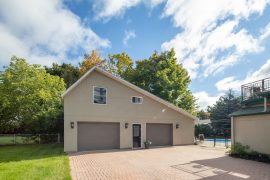
A garage with loft is a special kind of garage. It’s like a two-story building. The bottom part is where you park cars or keep tools and stuff. The top part is like an extra space that you can use for different things.

A garage with a loft is like a two-story building. Downstairs, it’s a regular garage where we park cars and keep tools. Upstairs, it’s like a unique space that we can use for different things.

Some people use the loft to store old toys and holiday decorations. Others make it a cozy place for guests to stay when they visit. You can even have it as your playroom or a work spot for your mom and dad.

You can go upstairs using stairs or a ladder. It’s cool because you can decide what to do with the loft and make it your special place.

How tall is a garage with loft?

A garage with loft can be 20 or 24 feet tall. It depends on how you want to use it. Some are not too tall, and some are tall, like a big tree!

It’s like a giant room for cars and stuff. The tallness depends on the rules and how you want to use it.

The 20 feet is for regular garages with space above for things. But if it’s for big cars or people to live in, it must be 24 feet tall. Always talk to the building inspector and follow the rules to make it safe and okay. So, some garages are just a little elevated, and some are tall, like a big tree!

7 excellent garage with loft ideas

From providing additional storage space to creating a comfortable living area, this 7 excellent garage with loft ideas demonstrate the potential of this often underutilized part of the home.

1. Home Office Loft

Transform your garage loft into a serene home office. Install large windows for natural light, add insulation for comfort, and furnish it with a desk, shelves, and comfortable seating. It provides a separate workspace while keeping the home free from distractions.

2. Guest Suite Loft

Convert your garage loft into a guest suite. With a separate entrance and basic amenities like a small kitchenette and bathroom, it’s an ideal space for guests or even as a short-term rental income source.

3. Workshop Loft

A loft workshop can be a game-changer for DIY enthusiasts and hobbyists. It keeps tools and materials organized and provides ample workspace for your projects.

4. Game Room Loft

Create a fun, family-friendly game room. Fill the loft with game tables, consoles, and comfortable seating. It’s a great way to entertain friends and family.

5. Art Studio Loft

If you’re an artist, consider turning your garage loft into an art studio. Add skylights for natural light, storage for art supplies, and an inspiring atmosphere.

6. Home Gym Loft

With the rising popularity of home gyms, use your loft as a fitness space. Equip it with exercise machines, weights, mirrors, and sound systems to create a motivating workout area.

7. Library Loft

Book lovers can create a cozy library loft. Install bookshelves, comfortable seating, and a coffee or tea station. It’s the perfect place to escape into your favorite novels.

How does a garage with loft transform your home?

A Loft in your garage can make your home better. Having a loft in your garage is like having a secret place that can help your home in many remarkable ways.

1. More Space for Stuff

Your garage loft gives you extra room to put things you don’t need daily. You can keep your toys, holiday decorations, and sports stuff there. It means your home can be neat and organized.

2. Extra Room to Play

The loft can be like a new room in your home. You can use it to play games, have sleepovers with friends, or do your favorite hobby. It’s like making your home bigger!

3. Money from Renting

Sometimes, people can rent a loft, like a mini house. It can help your family earn extra money. It’s like your home is making you money!

4. Home Value Goes Up

When you have a loft, your home becomes more memorable. If your family decides to sell your home one day, having an attic can make it worth more money.

5. Looks Pretty

A garage with a loft can make your home look even more admirable. It can match your home’s style and colors, making it beautiful from the outside.

6. Change It Anytime

The loft is like a blank canvas. You can change it to be whatever you want. You can use it as you grow for different things you like.

7. Work or Study Spot

If your parents work or study from home, the loft can be a quiet place for them. It helps them focus, and you can visit them sometimes.

8. Saves Energy

When the loft has good insulation, it helps keep your home cosy. That means it stays warm in winter and cool in summer. It can save money on energy bills.

How much does it cost to build a garage with a loft?

Building a garage with loft can cost different amounts. It depends on where you live and how big you want it to be. On average, it can be between $30,000 and $60,000. But, the cost can change. If you want a more oversized garage or if you want to use the loft for particular things, it can cost more.

Building a garage with loft costs different amounts in different countries. Let’s see:

1. United States

  • A small garage with loft might cost about $20,000 to $30,000.
  • If you want a bigger one, like for two cars, it could be between $30,000 to $50,000.

2. United Kingdom:

  • In the UK, a small garage with loft might cost between £15,000 and £25,000.
  • If you need a bigger one for two cars, it can be between £25,000 and £40,000.

3. Australia:

  • In Australia, a small garage with loft could cost around $25,000 to AUD 35,000.
  • If you need a more oversized garage for two cars, it could be between $35,000 and AUD 50,000.

4. Canada:

  • In Canada, a small garage with loft might be about $25,000 to CAD 35,000.
  • A bigger one could cost between $40,000 to $60,000 CAD.

Remember, these are just estimates; the actual cost depends on where you live and what kind of garage you want. It’s a good idea to ask local builders for the exact price.

FAQs

What is a Loft?

A loft is like an upstairs part of a building. It can be huge with no walls inside. Sometimes, it’s in big, open spaces like old factories or warehouses.

Why Have a Loft in a Garage?

  • You get more space.
  • Your home can be worth more money.
  • It helps you keep your garage neat and organized.
  • You can have your own quiet space up there.
  • You can make it look however you want!

Can You Change a Garage into a Loft?

   Yes, you can! But it’s a big job. Here’s what you do:

   a. Check the rules where you live.

   b. Make sure the garage is strong enough.

   c. Add things to make it comfy, like insulation and heating.

   d. Put in lights and plumbing if you need them.

   e. Get permission from the people in charge.

   f. Plan how it will look and hire people to help.

   g. Make sure it’s safe and easy to get to.

How to Decorate a Garage Loft?

  • You can make it fun! Here are some ideas:
  • If it’s an office, put a desk and pretty things.
  • If it’s for guests, make it cozy with a bed.
  • For games, add a cool game table.
  • Art studio? Fill it with art stuff.
  • A quiet spot with books is suitable for reading.
  • Use it for storing stuff; shelves can help.

Can You Have a Loft in a Garage?

Yes, you can! You can make an upstairs space in your garage. It’s like a secret room above your garage. It’s pretty cool!

Categories
Articles

Coastal Discovery Museum on Hilton Head Island

Hilton Head Island, a gem located in the heart of South Carolina’s Lowcountry, is renowned for its breathtaking beaches, rich history, and diverse biodiversity.

Coastal Discovery Museum on Hilton Head Island

At the heart of this island’s cultural and natural heritage lies the Coastal Discovery Museum, an educational treasure trove that offers visitors an opportunity to delve deep into the island’s past, present, and future. This article unveils the wonders and offerings of the Coastal Discovery Museum, guiding you through a journey of discovery.

A Glimpse into the Island’s Past

The Coastal Discovery Museum invites visitors to step back in time and explore the island’s fascinating history. The museum showcases the evolution of Hilton Head Island, from its early Native American inhabitants to its transformation into a plantation-based economy during the colonial era.

Displays, artifacts, and interactive exhibits provide a detailed account of the island’s past, shedding light on the diverse cultures and industries that have shaped its identity.

Biodiversity and Natural Wonders

Diving into the natural wonders of Hilton Head Island, the museum boasts exhibits that showcase the island’s diverse ecosystems, including marshes, forests, and ocean habitats.

Immerse yourself in the region’s biodiversity, learning about native flora and fauna and the critical role they play in sustaining the island’s ecology.

From salt marshes teeming with life to maritime forests filled with unique plants and wildlife, the Coastal Discovery Museum offers a captivating glimpse into the island’s natural beauty.

Educational Programs and Workshops

The Coastal Discovery Museum is more than a static display of artifacts and exhibits. It’s a hub of learning and educational experiences. The museum hosts a variety of workshops, lectures, and interactive programs aimed at educating visitors about the island’s natural and cultural heritage.

From guided nature walks to talks by local experts, these educational initiatives encourage a deeper understanding and appreciation of Hilton Head Island’s unique environment.

Gullah Culture and Heritage

One of the standout features of the Coastal Discovery Museum is its dedication to preserving and promoting the Gullah culture. The Gullah people, ancestors of slave Africans, have a rich and distinct cultural heritage that significantly influenced the Lowcountry.

The museum showcases the history, traditions, and crafts of the Gullah community, allowing visitors to appreciate and respect this vital aspect of Hilton Head Island’s heritage.

Engaging All Ages in Coastal Discovery Museum

The Coastal Discovery Museum aims to engage visitors of all ages. Families with children will find the museum to be an ideal destination for an educational outing. Interactive exhibits, hands-on activities, and children-focused programs make learning about the island’s history and nature an exciting adventure for young minds.

Conclusion

The Coastal Discovery Museum on Hilton Head Island is a captivating destination that offers a holistic view of the island’s heritage, natural beauty, and cultural diversity.

From exploring the island’s past to understanding its vibrant present, this museum provides a profound learning experience for all. Visitors are encouraged to step into this educational haven and go on a journey of discovery, leaving with a deeper understanding and appreciation for Hilton Head Island’s remarkable history and ecology.

Categories
Articles

Bamboo House Design Ideas and Construction

In places like Southeast Asia and other parts of the world where it’s warm and tropical, people have been using bamboo to build houses for a really long time. Nowadays, a lot of folks like using building materials like steel, bricks, and cement to build homes, but bamboo is still really popular.

People like it because it’s strong, lasts a long time, and can handle earthquakes well. Using bamboo for building is a good choice if you want to make a house that’s good for the environment and doesn’t cost too much.

When we make houses using bamboo these days, they’re not only comfy and good for the Earth, but they also keep us cool by blocking out the heat. If you’re building a simple house in a village, you can add strong concrete posts to make it even stronger. And if the area is at risk of floods, raising the bamboo house off the ground can help keep us safe when floods come quickly.

Bamboo House Design Benefits

Bamboo House Design Ideas and Construction

Eco-friendly

Bamboo is a super-friendly material for the Earth and great for building homes! It doesn’t harm the environment at all. Bamboo is awesome because it can soak up pollution and a lot of carbon dioxide, even more than other plants.

Plus, it gives out a whole bunch of oxygen—30% more than wood does. And guess what? It’s really good for places near the ocean because it helps stop the ground from washing away, which is called soil erosion.

Resistance to earthquakes

These houses are strong and can handle earthquakes without shaking too much. Even during big storms like hurricanes and tornadoes, these houses can stand tall and brave the wind, which can be really fast—up to 170 kilometers per hour! That’s pretty amazing!

Durable

If you make your bamboo house strong and tough from the start, it will last a long time. By treating the bamboo carefully and keeping away bugs and termites with good pest management, you can make sure your house stays safe.

Doing these treatments always helps your home stay durable so that it can be strong and last for many years.

Home Exterior Design: Bamboo House

  • Using bamboo, along with other materials like clay tiles, can make the outside of your bamboo house look amazing and cozy.
  • Bamboo is a great material for building because it’s not only good for the environment but has many benefits. One of the cool things is that it can handle big earthquakes, so your house will stay safe in a farmhouse, even during a tremor. But building a bamboo house needs smart and creative people who know a lot about building things to make it strong and look awesome.
  • Japanese-style bamboo houses are the best because they’re super useful and look beautiful, too. When you’re making your house and want ideas, you can look at Japanese bamboo houses or other styles that are realistic and really cool.
  • When you’re making the outside of your bamboo house, you can use some of the same materials for your lawn fence. Many house designs have lawns and gardens that need good fences.
  • Bamboo sticks can make strong fences that’ll keep your garden safe and make it look great. And they’re tough so that they won’t break easily. Awesome walls can make your garden and outside area look even better and keep people you don’t want away.

Bamboo House Design: Interior Design

  • Bamboo is not only great for building houses but also for making awesome furniture and decorations inside the house. You can have bamboo tables and other furniture to make your house look fancy and cool. It’s even better than wood because it doesn’t catch fire easily, making it perfect for a rustic farmhouse vibe.
  • In a bamboo house, you can use bamboo to decorate the kitchen and make it look super cool. Bamboo is strong and can handle heat well. It’s also good with moisture, so it’s a great choice for making furniture and flooring for your cool house.
  • For your bedroom, you can use bamboo to make bedposts and lighting fixtures. They’ll make your bedroom look unique and cool, giving it a rustic, charming feel.
  • Bamboo can also turn into decorations for your walls that’ll catch everyone’s eye. You can buy them or even make them yourself, making your room special and personal.
  • Bamboo flooring is trendy and gives your modern bamboo house a unique vibe. It’s affordable, too, but you should take good care of it because it can scratch easily.

Design for Bamboo House Walls

  • When you’re planning your awesome bamboo house, think about having a cool bamboo wall in the living room. It’ll make your living room feel cozy and look really cool. You can stack bamboo to make a neat wall that’ll look amazing beside your bed or sofa.
  • Instead of using regular tiles or marble on the walls, consider using a bamboo background. It’s not only different and exciting but will make your bathroom or dining area in your bamboo house look stunning. You can set it up just the way you like and create a calming and pleasant vibe throughout your home. It’s all about making your space feel special and comfortable!

Staircase and Garden Design for Bamboo House

  • You can take your bamboo house design to the next level by adding a beautiful bamboo staircase, either inside or outside. If your house stands off the ground, have the designer build a small 3-4-step staircase inside your home to make it easy to enter.
  • For outdoor spaces like your garden or the lawn in front of your bamboo house, you can carry the natural and aesthetic feel from the inside of your home by adding more bamboo furniture. Consider putting in a bamboo bench, a bamboo swing, or any other bamboo furniture that you like. It’ll make your outdoor area look amazing and match the style of your house!

Conclusion

Bamboo is a really strong and special material we can use to build houses. It can be used for the floor, the roof, and even the walls of a modern bamboo house! Bamboo is super strong because of the way its fibers are arranged.

When we want to build a good bamboo house that’s not too expensive, we need to pick the right kind of bamboo. It’s important to get the bamboo from a good and experienced bamboo seller.

The best bamboo will help us build a special house where we can make great memories with our family. Choosing the right bamboo and working with good sellers will help us make a really amazing house!

Categories
Articles

7 Green Solution for an Eco-Friendly Home

Everybody knows that making your home more environmentally friendly can help you save money on energy bills, make your home last longer, and protect our planet. However, delaying these improvements in favor of other activities or interests is surprisingly easy.

7 Green Solution for an Eco-Friendly Home

By trying just a few Green Solution ideas for your home, you can make it more Earth-friendly and enjoy many benefits for a long time. While many modern homes are already designed with the environment in mind, there are still ways you can make your home even greener. Check out our ideas to inspire you to make your home more environmentally friendly.

1. Swap your light bulbs for LED or CFL

One of the easiest green solutions to make your home greener is by changing your regular light bulbs to LED or CFL bulbs. These bulbs are super energy-efficient. LED bulbs use a special kind of semiconductor that makes light much better than other bulbs. They give you excellent and natural light.

Switching to LED or CFL bulbs is simple—replace your old bulbs with these new ones. But remember, you’ll see the best results if you change all the bulbs in your home. Let me give you an example of how much better CFL and LED bulbs are: they consume 70% less energy used by old incandescent bulbs.

It means you save money on your electric bill each month. Plus, these bulbs last a long time before they need to be replaced—up to 25,000 hours for CFL bulbs and up to 60,000 hours for LED bulbs. That’s a lot of bright hours!

2. Use native plants to landscape your yard

When you design your yard with plants and a nice layout, it makes your yard look beautiful. It’s more enjoyable to spend time in, and it can even make your home worth more. It’s even better for the environment when you use plants naturally found in your area.

These plants are used to the local weather, so they don’t need as much water to stay healthy. They also don’t need as many chemicals like pesticides and fertilizer.

Landscaping is an excellent way to make your home look great. You can choose from many different Green Solution to make your yard unique and lovely.

3. Practice efficient irrigation techniques and tools

Using water wisely is essential to help the environment and save water. Efficient irrigation means using intelligent techniques and tools to use less water.

Choose plants that grow in your area so you won’t need as much water to keep them healthy. However, if you can’t go for natural landscaping right now due to costs, there are still ways to be efficient with watering. Instead of using automatic systems, try watering your lawn with a garden hose. You’ll save up to 40% of water this way.

If you’re thinking about an automatic system, pick spray heads that work well and choose between in-ground or drip systems. Also, consider adding rain sensors so your sprinklers don’t turn on when it’s already raining. It’s a smart Green Solution to save water and be eco-friendly.

4. Utilize solar energy with solar panels

Establishing solar panels on your roof is a fantastic green solution to make your home use energy better. These panels soak up energy from the sun and turn it into electricity for your home, powering your appliances and reducing the need for less efficient energy sources. While this is a more significant project that usually needs a professional, it benefits your home and the environment.

Once the solar panels are on your roof, you’ll get clean energy with a carbon footprint about 95 percent smaller than fossil fuels. It’s a big step towards a greener home and a better planet.

5. Purchase Energy-Efficient appliances

Most of the appliances in your home, like the dishwasher and air conditioner, can be switched out for more energy-efficient models. These new appliances save you money and are better for the environment. It’s a win-win!

Think about getting new appliances that use less energy or water. When shopping, look for Energy Star labels on them. It’s a unique mark for efficient products. You might even get tax rebates to help with the cost, making these appliances more affordable in the long run.

6. Make use of energy-efficient windows and airflow to control temperatures

Your choice of windows can significantly impact how eco-friendly your home is by influencing internal temperatures and saving on energy costs. There are energy-efficient window options, but you can also improve your current windows to enhance airflow and temperature control. Adding storm windows and weatherstripping can help reduce air leaks.

Weatherstripping is a great way to keep your home warmer in winter and save up to 15% on energy bills. You can use foam tape, V strips, or felt for weatherstripping. Cut them to the right length and adhere them along the edges or gaps of your windows using staples, nails, or glue.

Here are some extra tips to boost your window’s energy efficiency

1. Install window shades.

2. Close the drapes at night and open them during the day to let sunlight in.

3. Choose windows labeled with the Energy Star designation. A few simple steps can go a long way to keeping your home comfortable and energy-efficient.

7. Install a Smart Thermostat and Plugs

Installing a smart thermostat is the best green solution to keep your home comfy. It’s like having a clever assistant that knows when to adjust your home’s temperature, and you can program it to control heating and cooling for specific areas. This way, you only use energy to heat or cool the rooms you’re using, which is super efficient. It even helps your HVAC unit last longer.

If you haven’t used a smart thermostat, check out smart plugs. They’re small devices you plug into a regular outlet and can be programmed to turn your appliances on and off based on your preferences and energy use. It’s a great green solution to save energy when your appliances are connected to these plugs.

The best part? You can control these devices even when you’re not at home. If you’re out and realize you left the lights on or the air conditioning running, you can turn them off with a tap on your phone. And when winter comes, you can set the temperature lower when you leave and higher when you’re almost back. Using these smart devices only when needed can save you a lot of money on your monthly energy bills. Plus, it’s a win for the environment because you’ll use less energy. It’s a win-win!

Conclusion

Creating an eco-friendly home doesn’t have to be expensive or complicated. By incorporating these nine cost-effective green solutions, you can contribute to a more sustainable future while enjoying significant savings on your utility bills.

Whether through energy-efficient lighting, water conservation, solar energy, or innovative technologies, every small effort counts towards a greener planet. Start making these changes today and take a step towards a more eco-conscious and wallet-friendly home.