Categories
Articles

Unlocking prosperity: the charm of the golden money plant

“Embrace Wealth and Good Fortune with the Golden Money Plant“

Golden money plant

The Golden money plant (Epipremnum aureum) stands out as a symbol of prosperity and good fortune in indoor plants. This resilient and low-maintenance plant is an attractive addition to your home decor and is believed to bring financial well-being.

types of money plant

A glimpse of elegance

With its heart-shaped leaves adorned in variegated shades of green and yellow, It adds a touch of elegance to any space. Its trailing vines can be beautifully arranged in hanging baskets or used to create lush green curtains.

A symbol of wealth

Vastu Shastra & Feng Shui believe that the Plant is supposed to attract positive energy, wealth, and financial luck. Placing it in the southeast corner of your home or office is said to amplify its promising effects.

Low-maintenance charm

One of the critical reasons for the popularity of this plant is its resilience and minimal care requirements. It thrives in indirect sunlight and can tolerate periods of neglect, making it an ideal choice for busy individuals.

Conclusion

It is not just a beautiful addition to your indoor garden; it’s a symbol of prosperity and good fortune. Embrace the charm of this low-maintenance plant and invite wealth and positivity into your life. With its elegance and auspicious qualities, it’s no wonder the Golden money plant is cherished by plant enthusiasts and believers in its mystical powers.

Categories
Articles

The lucky Chinese money plant: a fun plant to grow!

Chinese money plant

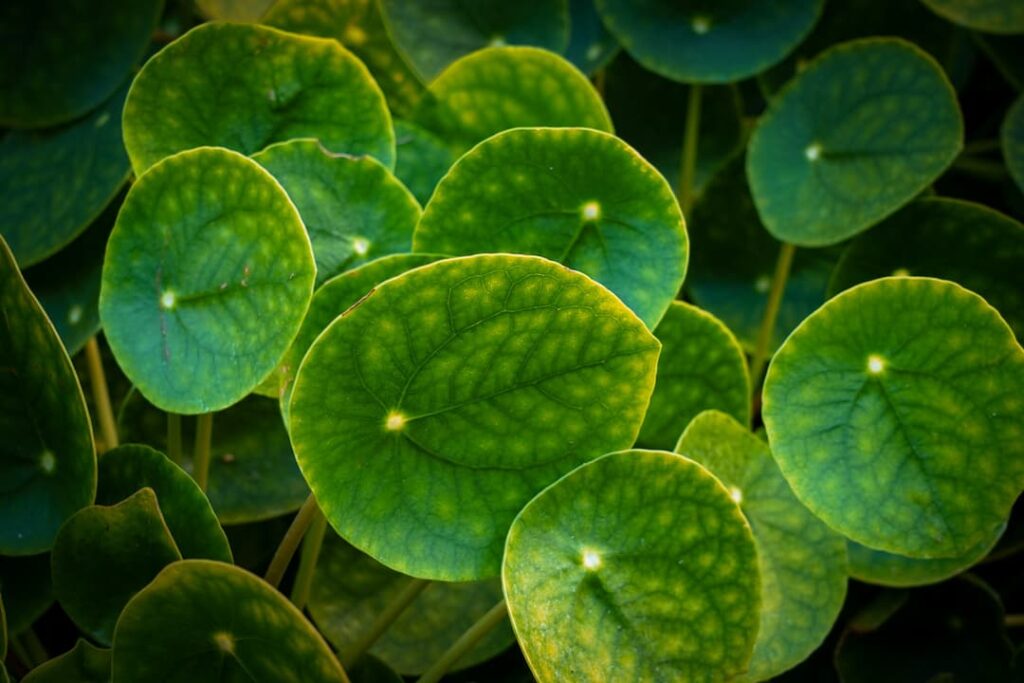
Have you heard about the Chinese Money Plant? It’s a unique plant with round leaves that come from China. People love it because it brings good luck and it’s easy to take care of!

The story of the plant

Long ago, people in China believed this plant was auspicious. Its leaves look like coins, so they thought it would bring good fortune. That’s why it’s called the Money Plant!

types of money plant

Taking care of your plant

The Money plant is easy to look after. It likes a bit of sunlight but not too much. Give it some water now and then, and it will be happy. It’s like having a little green friend!

Make your space pretty

The money plant looks cool and can fit in any room. It makes your indoor place look nice and cozy. You can put it in a fancy pot or a simple one – it’ll still look great!

Conclusion

The Chinese money plant is not only cool-looking but also brings good luck. Taking care of it is easy, making your room more beautiful. Give it a try and see how lucky it can be for you!

Categories
Articles

Explore the different types of money plants for prosperity and good luck

Money plants symbolize prosperity and good luck and have fascinated cultures worldwide for centuries. These plants are not only aesthetically pleasing; they are also believed to carry a positive aura and attract wealth. They have a long history and cultural significance, with the Chinese and Indian cultures valuing them as symbols of good fortune and wealth. Money plants are famous indoor plants for those looking to add nature to their indoor spaces or invite prosperity into their lives.

Discover 9 types of money plants

Money plants are aesthetically pleasing and believed to bring good luck and prosperity. You can choose from various types of money plants to enhance the positive energy in your home or office.

Jade plant

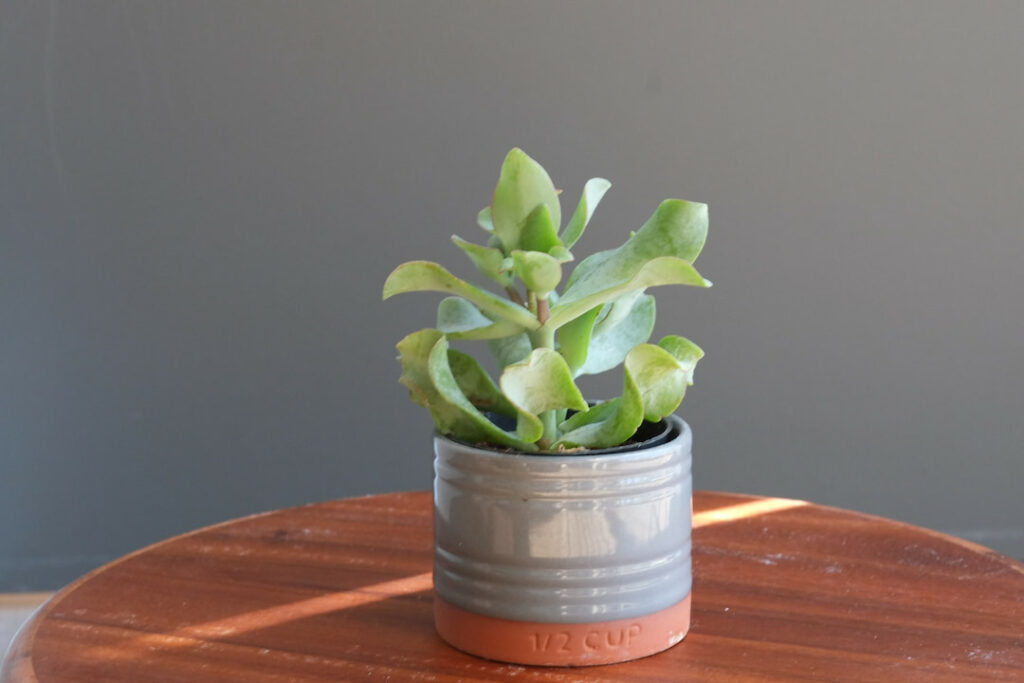
Known for its thick, round leaves and symbolic representation of wealth and good fortune.

types of money plant

Golden pothos

Recognized for its heart-shaped leaves with variegated patterns and ability to purify the air.

types of money plant

Devil’s ivy

Characterized by its cascading vines and glossy green leaves, this plant symbolizes good luck.

types of money plant

Chinese money plant

Features round, pancake-shaped leaves that symbolize wealth and abundance.

types of money plant

Silver dollar plant

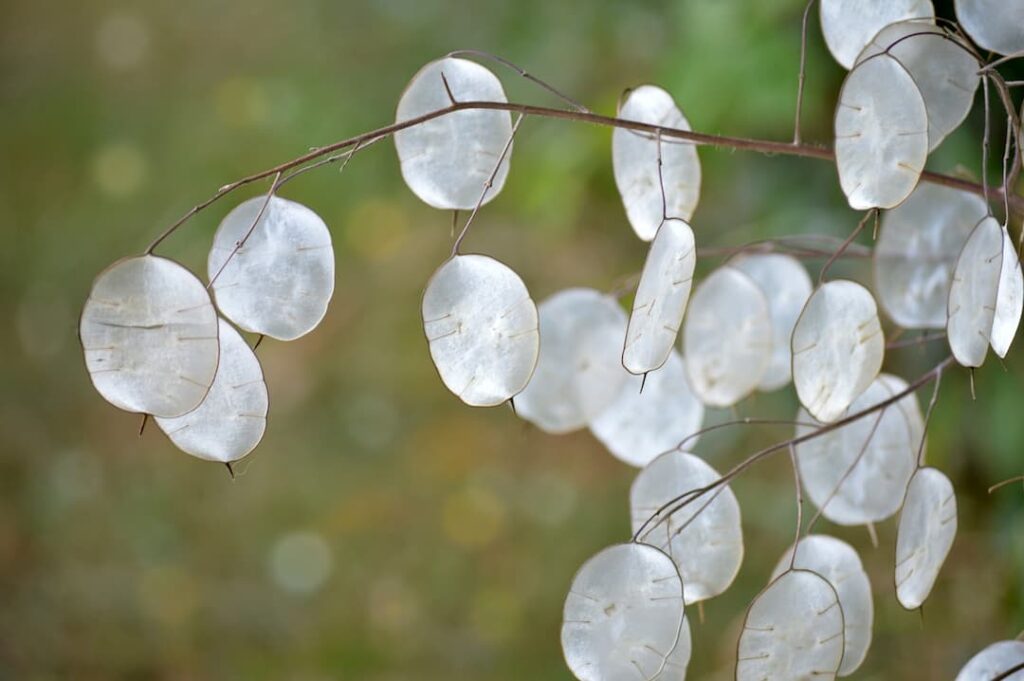
Named after its large silver-green circular leaves resembling coins.

types of money plant

Moonshine snake plant

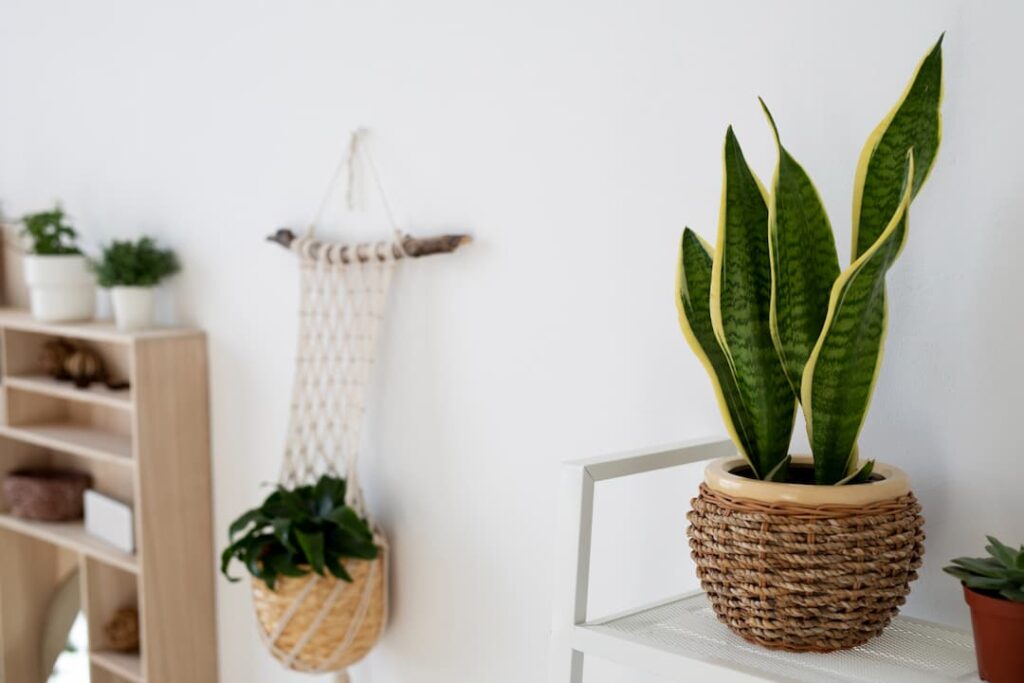
A unique variety with silvery-green foliage that thrives in low-light conditions.

types of money plant

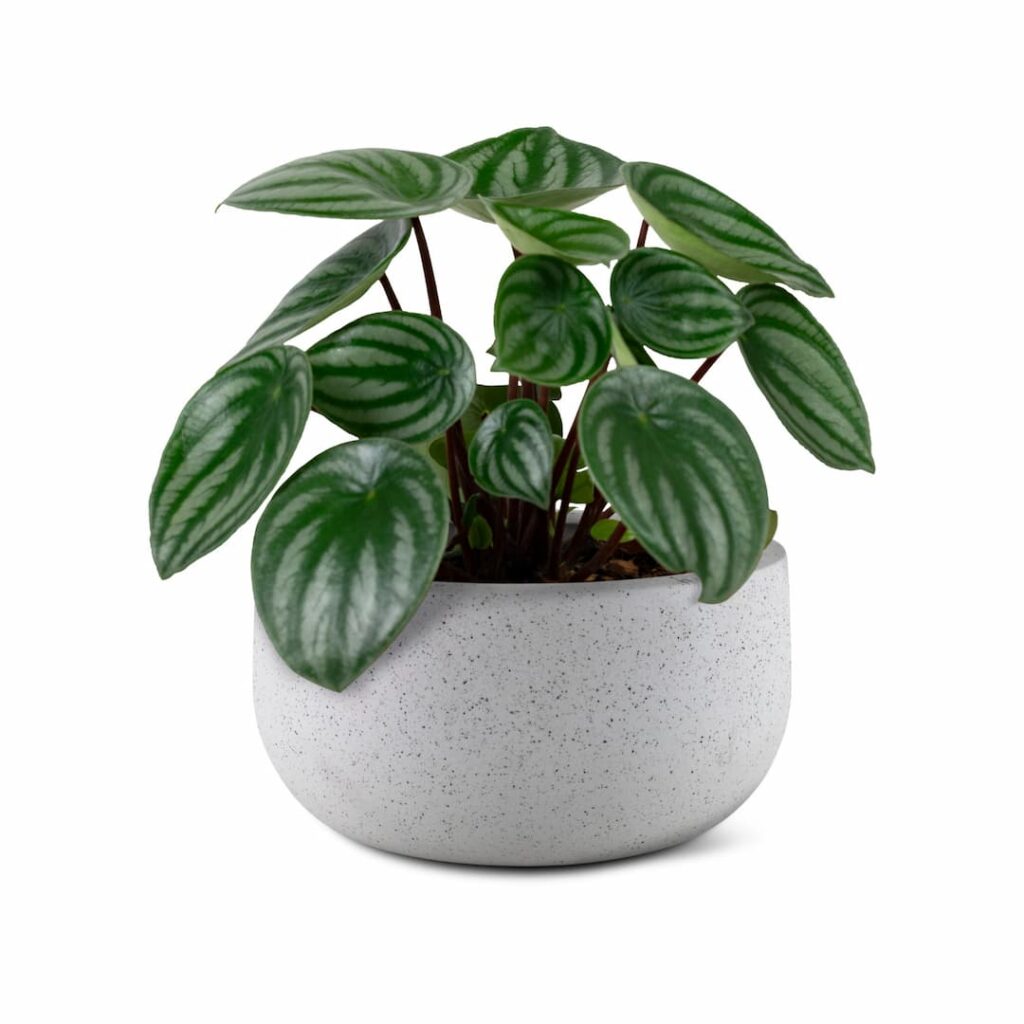
Watermelon peperomia

Its thick, succulent-like leaves have a striking resemblance to watermelon rinds.

types of money plant

Satin pothos

Known for its velvety heart-shaped leaves with silver markings on dark green foliage.

types of money plant

Variegated rubber tree plant

With its large glossy leaves featuring cream-colored variegation, this plant adds an elegant touch to any space.

Each type of money plant has its distinct characteristics and benefits. Whether you want to attract wealth or add a touch of greenery to your surroundings, there is a money plant suitable for every preference and space requirement.

types of money plant

Tips for taking care of money plant

Caring for any types of money plant which is a very popular indoor plant can bring positivity and prosperity to your home. Here are some essential tips: Maintain regular watering by letting the soil surface dry before watering it again. Provide bright, indirect sunlight; use well-draining soil; maintain room temperatures of 65-75°F (18-24°C) and moderate humidity; prune regularly for a compact appearance; fertilize every two weeks during spring and summer; consider providing a supportive structure as it grows. By following these tips, you can ensure the longevity of your money plant and enjoy its positive energy.

Conclusion

By following these essential tips and caring for your money plant with love and attention, you can ensure that it thrives and brings positive energy to your home or office space. Remember, a happy and healthy money plant can also get good fortune and prosperity into your life. Begin applying these suggestions now and relish the advantages of possessing stunning types of money plants in your surroundings.

Categories
Articles

Discover the breathtaking beauty of Dawki, Meghalaya – a hidden gem in India

dawki

Location and overview

Dawki, a small border town in Meghalaya, India, is a hidden gem, slowly becoming a popular tourist destination. It is situated on the banks of the picturesque Umgnot River, Surrounded by lush greenery and rolling hills. It is also a gateway to the neighboring country of Bangladesh, with the Tamabil-Dawki border crossing being close by.

History and significance

Dawki has a rich history and was an important route for trade and commerce between India and Bangladesh. The town’s strategic location has also made it a substantial military base. Today, it is known for its natural beauty and has become a popular spot for adventure seekers and nature lovers.

dawki

The unspoiled natural beauty of Dawki

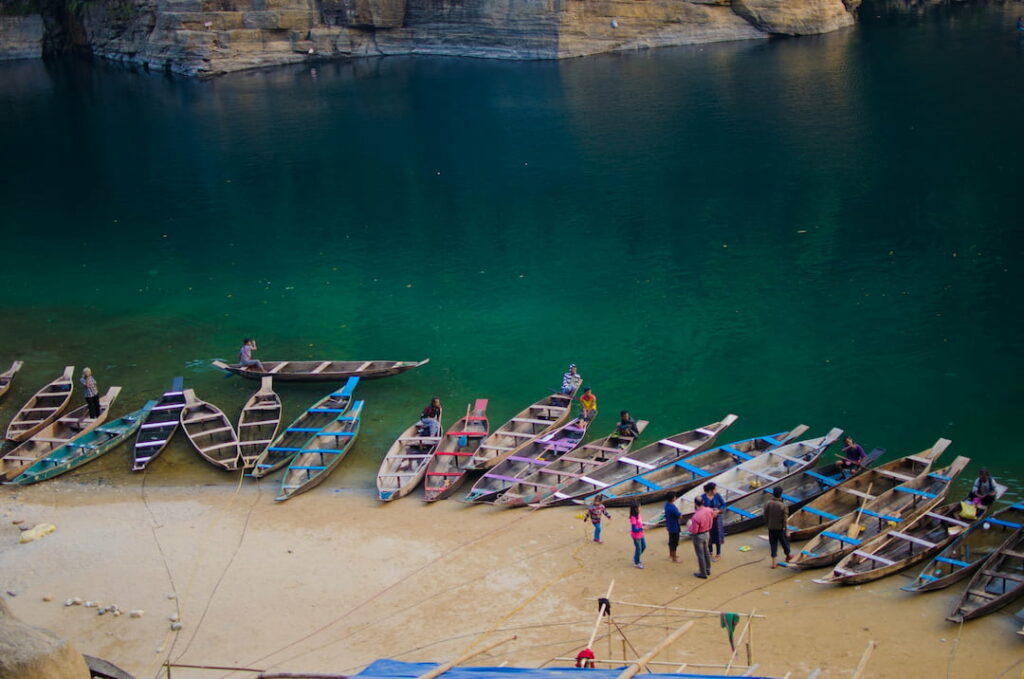
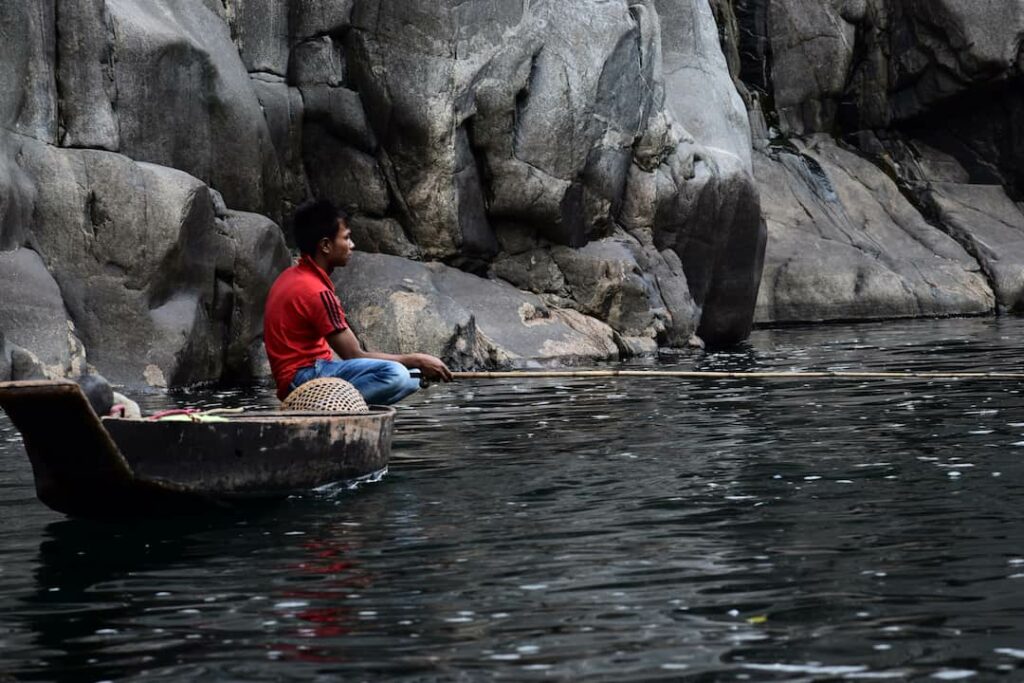
The Umgnot River is a popular destination in Dawki, known for its crystal-clear waters that flow through the town, surrounded by lush green forests and hills. Visitors can indulge in refreshing dips or explore the valley on boat rides. The river’s clarity makes it ideal for scuba diving and snorkeling, and it hosts diverse aquatic life.

The majestic Jaintia hills offer breathtaking views of the surrounding landscape and are a haven for adventure enthusiasts and nature lovers. The mountain boasts several trekking trails, and visitors can camp amid nature’s beauty up close.

Overall, the pristine Umgnot River and the majestic Jaintia hills offer a perfect balance of adventure and serenity, and visitors can take advantage of both.

dawki

Unique activities

Dawki, a popular tourist destination, offers a range of exciting activities. The Umgnot River is a great place to go boating, offering visitors stunning views of the valley and its natural surroundings. Scuba diving and snorkeling in the river is another unique experience that allows people to explore the underwater world and see different aquatic life.

dawki

Trekking in the Jaintia hills surrounding Dawki is a must-do activity for adventure enthusiasts. The ridges are home to several trekking trails that offer breathtaking views of the region’s natural beauty. Visitors can also camp in the mountains, allowing them to experience the beauty of nature up close. These activities have made it a popular destination for sports and nature lovers.

Exploring the culture and heritage of Dawki

The Khasi tribe is the leading group in Dawki, and visitors can explore their customs and way of life. Nongkhnum Island is a popular tourist destination known for its legends, where the Khasi tribe worships a powerful deity. Visitors can discover folklore and myths surrounding the island, making it an exciting experience.

The best time to visit

If you plan to visit Dawki, it’s essential to pick the best time to ensure you have the best experience possible.

Climate and weather

Dawki is blessed with a moderate climate almost all year round, making it a great place to visit anytime. However, the best time to visit is between October and May when the weather is pleasant and the temperature ranges between 12°C to 26°C. It can get quite rainy in the monsoon season, from June to September, which may not be the best time for outdoor activities.

Festivals and events

If you’re a fan of cultural events, visiting Dawki during the Wangala festival in November can be a great experience. The Garo tribe celebrates this festival, and it is a celebration of thanks to their gods for a good harvest.

dawki

How to reach

Getting to Dawki is easy via air, train, or road. From the nearest airport in Shillong, which is about 82 km away, you can hire a car or take a taxi to reach. Similarly, the nearest railway station is in Guwahati, around 180 km away. Dawki can be contacted via regular bus services from Guwahati, Shillong, and adjacent cities, in addition to the possibility of taking a taxi or driving your car.

Conclusion

Dawki in Meghalaya is a hidden gem that’s worth exploring. The place is known for its natural beauty, crystal-clear river, and unique cultural experiences. It’s easy to get to and stay with various accommodation options and convenient transportation. Provides an unmatched adventure for every kind of traveler.Be amazed by the untouched beauty of the Umngot River, discover the unique cultural heritage, and indulge in adventure activities. Pack your bags and head to this small town to experience this hidden paradise.

Categories
Articles

Discover the beauty and wonder of Mawsynram- the wettest place on earth

Mawsynram is a village in Meghalaya, India, known as the wettest place on Earth. That makes it a popular destination for nature lovers and adventurers due to its incredible yearly rainfall. Lush greenery, stunning landscapes, and unique flora and fauna surround the village. It is located 56km from the capital city of Shillong and can be accessed by taxi or bus. Throughout the year, the climate is characterized by heavy rainfall in a subtropical highland environment, emphasizing the monsoon season between June and September. Mawsynram receives an average of 11,872 millimeters of rain during this period, resulting in cooler temperatures ranging from 10°C to 20°C.
Top tourist attractions

Mawsynram is a picturesque destination that boasts several natural and man-made attractions. It includes the Mawjymbuin and Krem Phyllut Caves, known for their unique rock formations. The living root bridges, made by the Khasi tribe, are a unique feature that allows visitors to cross streams and rivers. There’s also an eco-park home to various animals and birds, perfect for picnics. The village encompasses several stunning waterfalls, including the Nohkalikai Falls, India’s tallest plunge waterfall. In summary, A beautiful destination that offers visitors a chance to explore nature’s beauty.

mawsynram

Traditional culture and lifestyle

Mawsynram is known for its natural beauty and rich traditional culture. The Khasi tribe dominates the region, and their customs and beliefs have influenced the area’s culture. Honors numerous festivals and occurrences, encompassing the Behdienkhlam event, where an impressive procession is displayed along with dance and singing. Local cuisine is a fusion of traditional Khasi dishes and the influence of visiting cultures. Famous delicacies include Jadoh, Tungrymbai, and Dohneiiong. Bamboo handicrafts, woven baskets, and traditional clothing are also renowned in Mawsynram.

mawsynram

Tips for visiting Mawsynram

Plan your trip to Mawsynram carefully before you go. Visit the region from October to May when the weather is best. Pack light and breathable clothing that dries quickly, an umbrella or raincoat, mosquito repellent, trekking shoes, and sunscreen. Respect local customs and traditions, dress when visiting places of worship or attending cultural events, and always ask permission before taking photographs, especially of children.

mawsynram

Conclusion

Mawsynram is a place of natural beauty and a unique cultural experience. The lush green hills, cascading waterfalls, and limestone caves make it a must-visit destination for nature lovers and adventure enthusiasts. Moreover, the warm hospitality and rich cultural heritage of Mawsynram will leave you with a lasting impression and memories to cherish forever. In conclusion, it offers a wealth of natural beauty, cultural heritage, and adventure. It is truly a destination with its friendly people, stunning landscapes, and unique attractions. Whether a seasoned traveler or a first-time visitor, Mawsynram will leave you with memories that will last a lifetime. So pack your bags, grab your raincoat, and discover the beauty and wonder of this fantastic place – the wettest place on Earth.

Categories
Articles

Explore the traditional Meghalaya dance form – discover the rich culture

Meghalaya is a state in Northeast India known for its stunning landscape and rich culture. Meghalaya Dance Form plays a crucial role in Meghalayan traditions and beliefs. The state has three tribes with unique languages, cultures, and practices. Meghalayas festivals and dances celebrate nature’s abundance and are often linked to the agricultural cycle. Dance is an essential part of religious ceremonies and social occasions. It is considered a way of connecting with the divine, and the dance forms help preserve Meghalayas cultural heritage and identity. These traditional dances have been passed down for generations and are an integral part of the state’s social fabric.

The significance of dance in Meghalaya culture

Meghalaya Dance Form plays a significant role in Meghalaya’s spiritual and ceremonial traditions. Various dances are performed during festivals like Nongkrem and for goddesses of prosperity and wealth. They also mark important life events like the transition into adulthood. Meghalaya Dance Form has been passed down from generation to generation, preserving the state’s cultural heritage. The younger generations are now involved in ensuring their continued existence. Meghalaya’s traditional dance forms help to maintain its unique identity and rich cultural past.

Exploring the popular Meghalaya dance forms

Nongkrem dance

Nongkrem Dance is one of the most popular dances in Meghalaya and is performed by the Khasi tribe during the annual Nongkrem festival. Men and women dance, and each dancer wears traditional attire and jewelry. The dance movements are slow and graceful, and the music is provided by a group of musicians playing traditional instruments.

Shad Suk Mynsiem

Shad Suk Mynsiem is another popular dance form performed by the Khasi tribe. The dance is performed during the harvest season to seek the blessings of the goddess of wealth and prosperity. The dancers wear traditional attire, and the dance movements are energetic and lively.

Wangala dance

The Garo tribe performs Wangala Dance during the Wangala Festival, celebrated to mark the harvest season. The dance is performed by both men and women, accompanied by traditional music and instruments. The dancers wear bright and colorful attire, and the dance movements are energetic and vibrant.

Other popular Meghalaya dance forms

Besides the dances mentioned above, Meghalaya is home to several other popular dance forms like Laho, Shad Nongkrem, Doregata Dance, and others. Each dance has its unique style, movements, and costumes, all reflecting Meghalaya’s rich cultural heritage.

The history and evolution of Meghalaya’s traditional dance forms

meghalaya dance form

The origins of traditional dance forms in Meghalaya Dance Form are unclear, but they have been passed down and evolved, reflecting the state’s history and cultural beliefs. Some dances have adapted to modern influences, while others remain true to their essence of celebrating Meghalaya’s cultural heritage and traditions.

Traditional music and costumes of Meghalaya dances

Meghalaya Dance Form is known for its diverse dance forms, each with unique costumes, music, and style, traditionally performed at weddings, harvest festivals, and religious ceremonies. The most commonly used instruments in Meghalaya music include drums, flutes, and stringed instruments like the King and Duitara. The colorful and intricate costumes reflect the region’s rich heritage, with women wearing a Jainsen skirt, blouse, and Tapmohkhlieh shawl and men wearing a dhoti and shirt. Dancers also wear jewelry made of silver, brass, and beads, and a headgear called a Tiar adorned with feathers and flowers.

The role of Meghalaya dance forms in contemporary society

Meghalaya’s culture is unique, and traditional dance forms are vital in preserving and showcasing its rich heritage. The state’s culture is essential for its identity and ensuring that future generations benefit from it. Meghalaya dances not only preserve culture but also bring communities together and promote a sense of unity, such as the Wangala Dance celebrated during the harvest season.

Conclusion

Meghalaya dance forms are essential in preserving and celebrating the state’s rich cultural heritage. Meghalaya dance forms are integral to the state’s rich cultural heritage. They reflect the people’s history, beliefs, and traditions and play a crucial role in keeping these traditions alive. Sharing this culture with the world is essential for promoting cultural exchange and understanding. We can celebrate this unique culture for generations by appreciating and preserving these dances.

Categories
Articles

Discover the natural wonders of Laitlum Canyon: a hidden gem in Northeast India

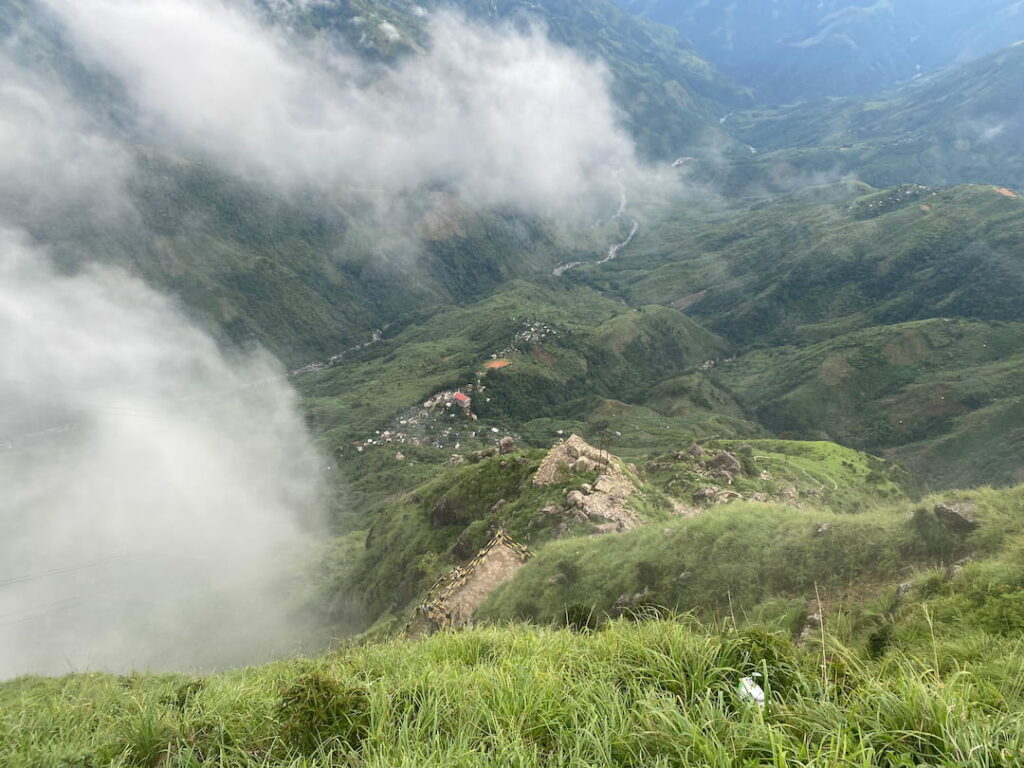
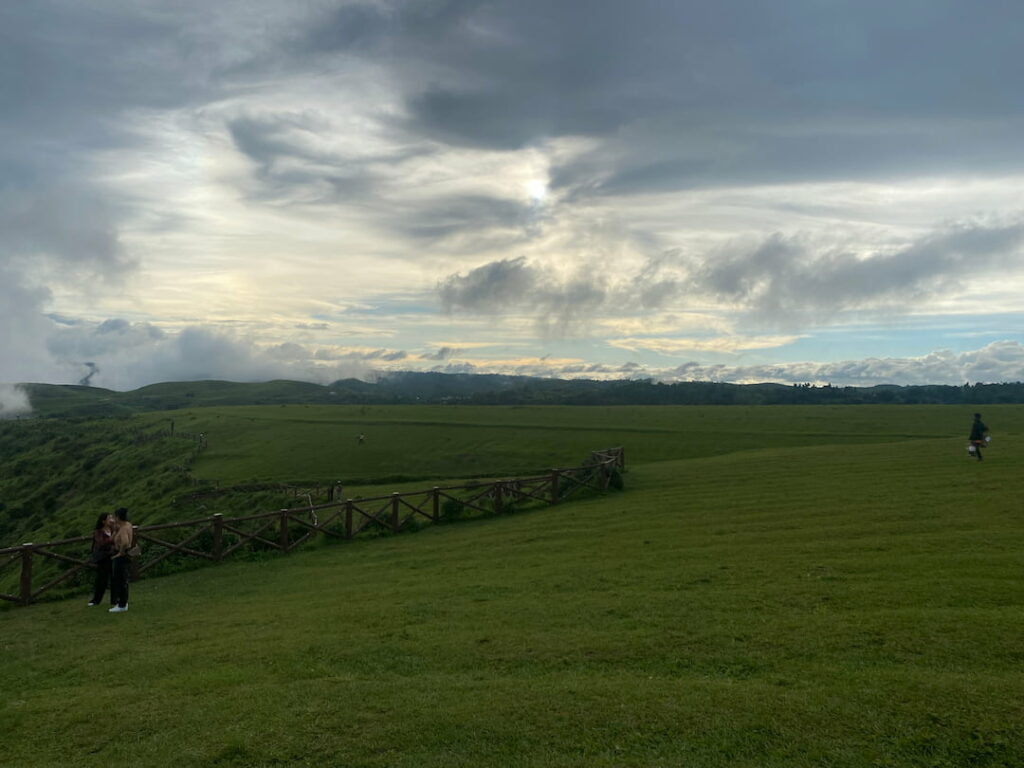
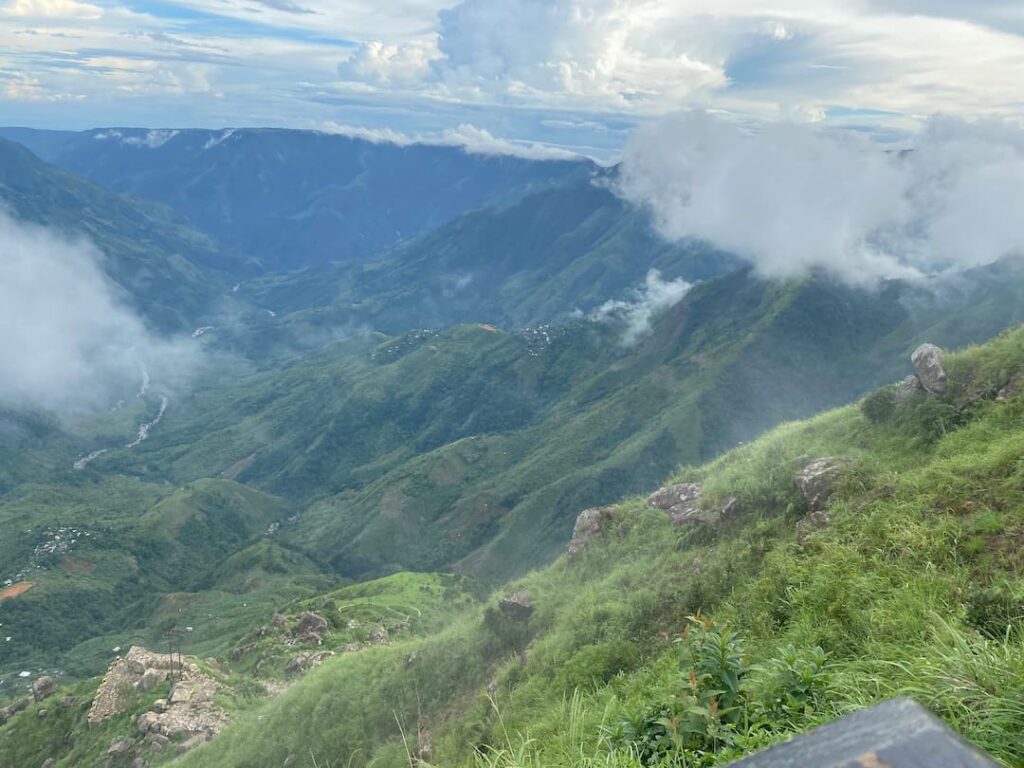
In northeastern Meghalaya, India, lies a hidden gem, Laitlum Canyon. Translating to “end of hills” in the local Khasi language, Laitlum Canyon offers a breathtaking view of the surrounding hills and valleys. This off-beat destination is perfect for nature lovers and adventure seekers alike, as it provides an escape from the hustle and bustle of city life. Let’s explore this natural wonder’s geography, geology, flora, and fauna.

laitlum canyon

The geography and geology

Laitlum Canyon is a 300-hectare canyon in the Meghalaya East Khasi Hills district, with steep slopes and cliffs providing a stunning view. The rocks are primarily sandstones and shale formed during the Eocene epoch, with layers of rock subjected to intense tectonic activity resulting in the formation of cliffs and gorges. The canyon’s unique rock formations and breathtaking landscapes have been sculpted by wind, water, and ice over millions of years.

laitlum canyon

Flora and fauna

Laitlum Canyon boasts a diverse range of plant life, including evergreen forests with ferns, orchids, and bamboo, creating a habitat for various animal species. These include macaques, leopards, civets, and a wide variety of birds, and the area is known to be a haven for wildlife enthusiasts. Medicinal plants can also be found in this area, traditionally used by the Khasi tribe.

laitlum canyon

Top attractions and activities in Laitlum Canyon

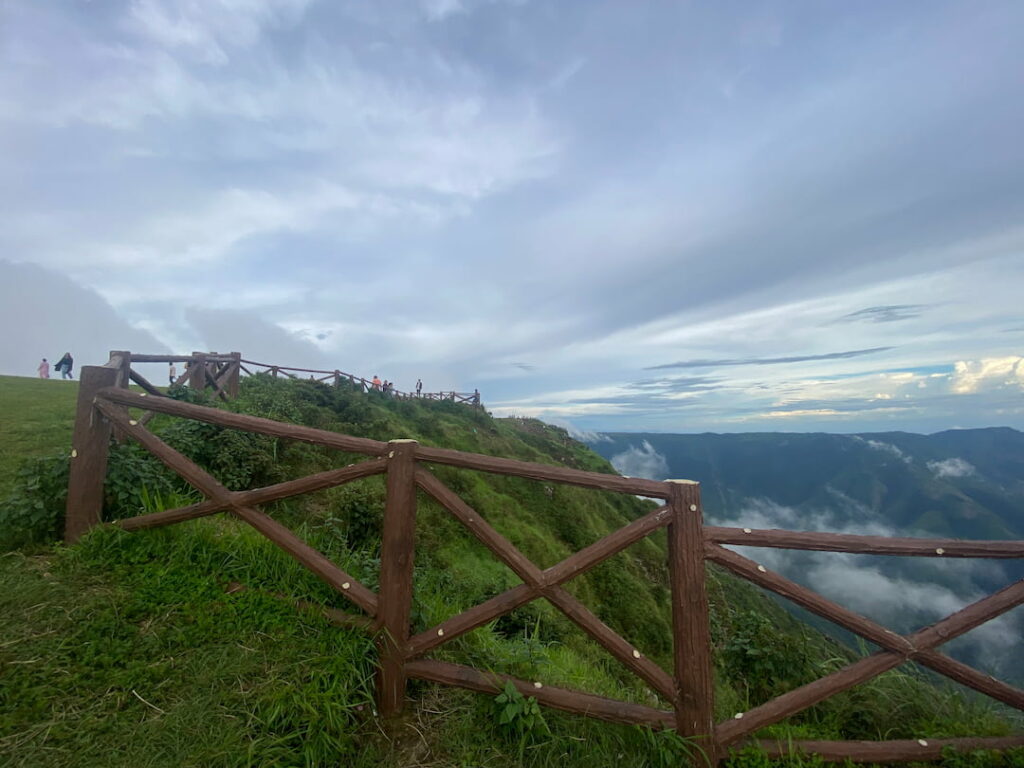
Laitlum Canyon is a hidden gem for nature lovers, photographers, and adventure seekers. There are easy to difficult trekking and hiking trails, waterfalls, and scenic viewpoints. It also offers rock climbing, rappelling, zip-lining, and a picturesque setting for camping. It is a must-visit destination for those looking to escape the city and experience nature’s tranquility.

laitlum canyon

Local culture and traditions of the Khasi Tribe

The Khasi tribe is a major ethnic group in northeastern India with a rich history dating back to the early centuries AD. They have a unique language and culture and are primarily matrilineal, with women playing prominent roles in social and cultural affairs. Festivals are an essential part of their culture, with significant events including the Nongkrem Dance, honoring the goddess Ka Blei Synshar, and Shad Suk Mynsiem, marking the beginning of the crop season. Visitors can witness these colorful festivals while exploring the Laitlum Canyon.

laitlum canyon

Tips for exploring

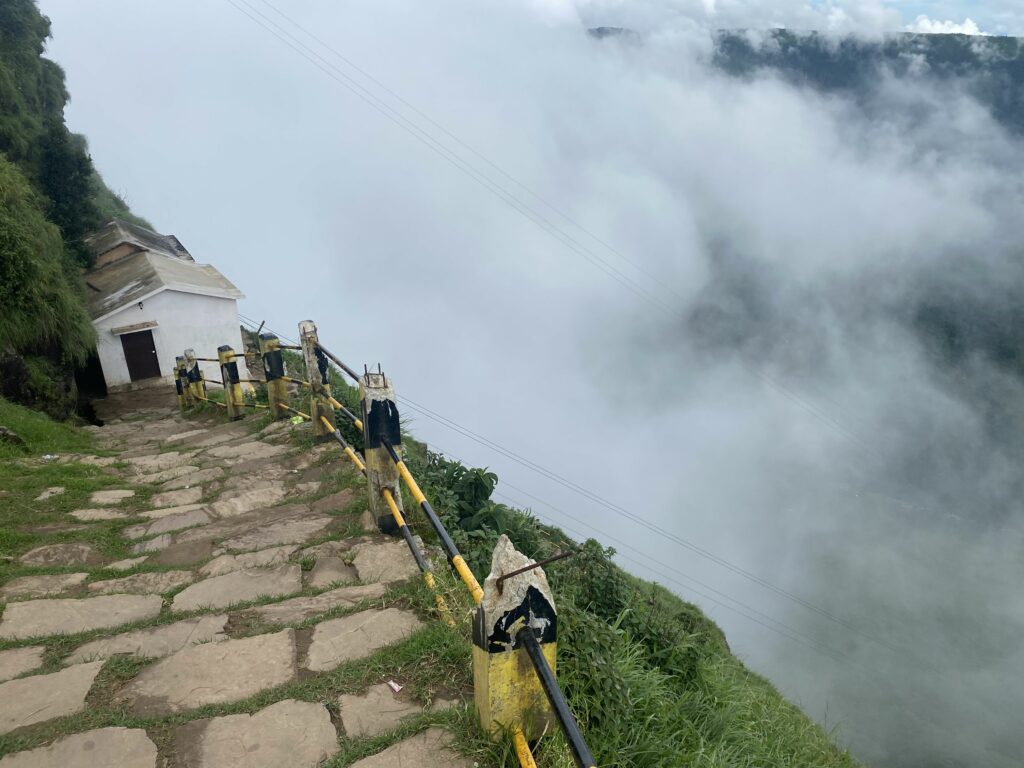
The best time to visit Laitlum Canyon is from November to February. Visitors should avoid the monsoon season from June to September when heavy rainfall makes trekking difficult. Comfortable shoes and sufficient water and snacks are necessary for hiking; It is advisable to exercise caution and prevent yourself from slipping or approaching too close to the brink of the cliff. Hiring a local guide or joining an organized tour is recommended to make the most of the trip.

Conclusion

Laitlum Canyon is an excellent destination for nature lovers, adventure enthusiasts, and culture seekers. The natural beauty and Khasi culture make it worth exploring with proper planning, safety measures, and local guidance. With stunning landscapes and rich cultural heritage, it’s a must-visit destination for a refreshing break from the ordinary. Add Laitlum Canyon to your travel itinerary for an unforgettable adventure in the lap of nature.

Categories
Articles

Discover the cleanest village in Asia: Mawlynnong village travel guide

Mawlynnong Village in Meghalaya, India, is named the Cleanest Village in Asia for its cleanliness, beautiful natural surroundings, and unique attractions. Located on the India-Bangladesh border, this small village is home to the matrilineal Khasi tribe, who value nature greatly. Nestled within forests and hills, Mawlynnong Village is a picturesque destination that attracts visitors worldwide.

The cleanliness drive and its effect on the Village

mawlynnong village

Mawlynnong Village’s cleanliness is a way of life for its community rather than a result of just regular clean-up drives. The initiative to make the village clean began in 2003 by the village headman, and this movement is now recognized by the government, which has awarded the village multiple times for its eco-friendliness and cleanliness. The villagers take great pride in maintaining the cleanliness of the village, with everyone playing a role in their ways. The waste management system also contributes to the village’s cleanliness, with organic waste used for composting and non-organic waste sent for recycling.

Attractions and activities

Mawlynnong Village offers unique attractions and activities worth exploring, including the centuries-old Living Root Bridge made from the ficus elastica tree’s roots trained to grow in the direction of the river, the Balancing Rock that appears to defy gravity, and various waterfalls and pools like the Dawki River popular for boating and swimming, and the Nohkalikai Falls, one of India’s tallest waterfalls. These wonders are a testament to the Khasi tribes’ sustainable living practices and respect for nature.

Accommodation and local cuisine options

mawlynnong village

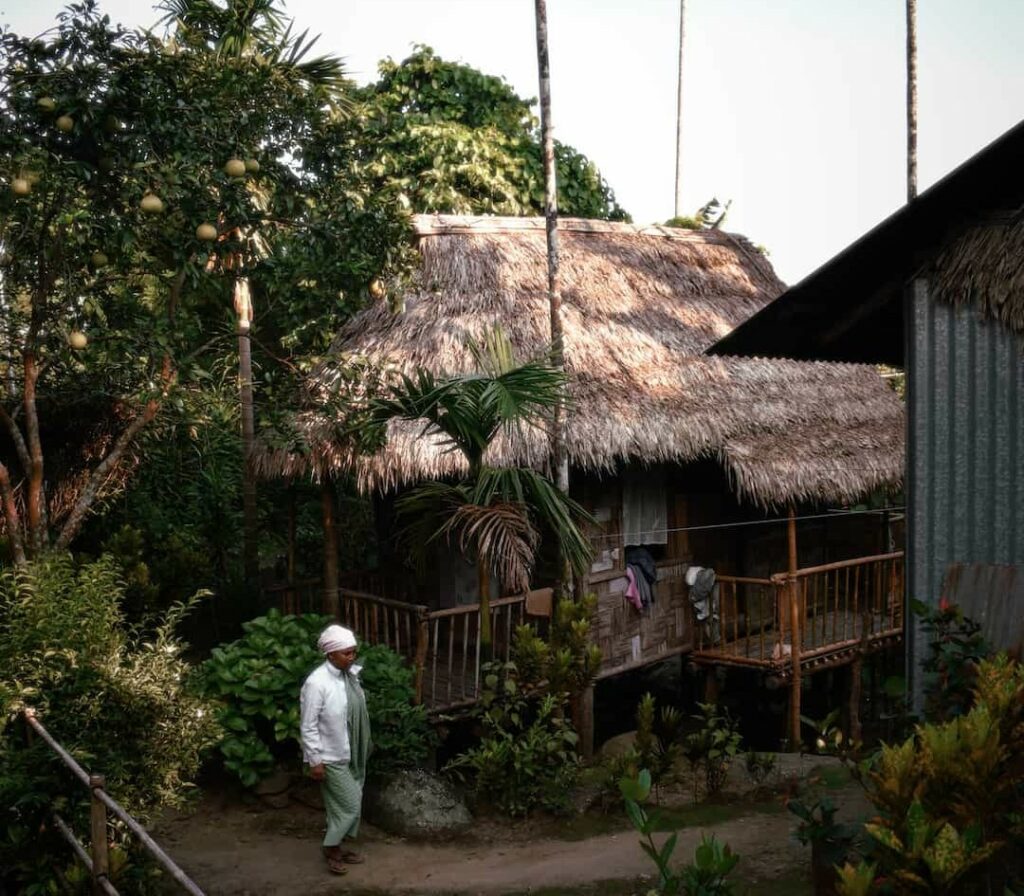
Mawlynnong Village has various accommodation options, including homestays and guesthouses Controlled by the townspeople. Visitors can experience authentic Khasi hospitality, glimpse villagers’ daily lives, and enjoy clean, comfortable, affordable accommodations. Moreover, visitors can taste traditional Khasi cuisines like Jadoh and Dohneiiong at local eateries or homestays.

Sustainable tourism

Mawlynnong Village in India is known for its sustainability and clean environment. The community has undertaken initiatives to maintain cleanliness, preserve the natural surroundings, and combat deforestation. They have banned the use of plastics, and built waste management systems, bamboo dustbins, and toilets for tourists. The village encourages responsible tourism, and visitors must follow the rules and regulations set by the community to prevent negative impacts on the environment. Mawlynnong exemplifies how sustainable tourism can benefit the local community and tourists.

Tips for visitors

“Visitors to Mawlynnong should pack light, breathable clothing that covers shoulders and knees. They should avoid bringing plastic bags or bottles as they are banned in the village. It is important to respect the local culture and avoid activities that may offend the Khasi community, such as smoking or drinking in public. Visitors should remove their shoes before entering houses or places of worship.”

mawlynnong village

Conclusion

Mawlynnong Village is a must-see for eco-tourists and those seeking a unique cultural experience. This village has set an example of how a community can unite to preserve its environment and promote sustainable tourism. Its natural beauty, cleanliness, and warm hospitality promise visitors a memorable and meaningful travel experience. Mawlynnong Village is a hidden gem that offers a refreshing break from modern life; this destination is perfect for anyone looking for an authentic and responsible travel experience.

Categories
Articles

Discover the breathtaking beauty of Double Decker Living Root Bridge

Living root bridges are a unique form of architecture found in Northeastern India. They are created by training the roots of the Ficus elastica tree to grow in a particular direction, forming a bridge over rivers and streams. The Khasi and Jaintia tribes of Meghalaya have been building these bridges for over 500 years, using the technique out of necessity to cross waterways during the rainy season. It is believed that a Khasi tribe member named U Nongkynrih invented the method.

The unique double decker living root bridge

double decker living root bridge

Double-decker living root bridges are unique structures with two levels for crossing rivers and irrigation. They can be found in the Khasi and Jaintia hills of Meghalaya, India, with the most famous one being the over 200-year-old Ummunoi Double Decker Living Root Bridge in Nongriat village.

The process of creating a living root bridge

Creating a living root bridge involves selecting a suitable location, planting Ficus elastica tree saplings on either side of a river, guiding the roots along bamboo and stones to form a bridge, cutting unwanted growth, and allowing the bridge to mature for several years. The community is essential in this process, coming together to select the location, plant saplings, guide roots, and maintain the bridge. They regularly monitor the bridge’s condition and make any necessary repairs.

The peculiarities of the double decker living root bridge

The two types of double-decker living root bridges are the Ummunoi and Ritymmen, serving both as a bridge and a system for irrigation. Creating and maintaining these bridges is challenging due to natural disasters and limited resources, but conservation efforts and tourism have helped preserve their cultural and ecological significance.

The significance of living root bridges for the Khasi community

Living root bridges are crucial to the Khasi people’s culture and tradition in Meghalaya, India. They serve as a means of transportation and a source of pride, representing the close relationship between humans and nature. These bridges are unique and are revered as living entities, passed down through generations in the Khasi community as a significant part of their heritage.

Exploring the majestic double decker living root bridge

Double-decker living root bridges are a rare and unique phenomenon found only in certain parts of Meghalaya. The best places to see them are in the remote villages of Nongriat and Mawsynram, which offer breathtaking views of the surrounding natural beauty. Preserving and maintaining these bridges is crucial to ensure their longevity.

Maintaining the living root bridges for future generations

Living root bridges are vital to the Khasi community’s cultural heritage. Several edifices are rundown because they have not been maintained and have been affected by natural catastrophes. However, several organizations and individuals are working to preserve and protect these bridges through regular maintenance, restoration work, and promoting eco-tourism. Individuals can also help protect the bridges by respecting the surrounding natural habitat and supporting local initiatives for sustainable development. It is essential to appreciate and respect these unique structures and work together to preserve them for future generations.

Categories
Articles

Discover the majestic beauty of Elephant Falls: a must-visit destination

Elephant Falls in Meghalaya, India, is a must-visit destination due to its natural beauty and popularity hotspot for visitors. This waterfall, situated in the northeast, remains a well-known tourist attraction. It stands at a height of over 60 feet, surrounded by lush greenery, making it a breathtaking destination that never fails to impress.

The history and legend

The Elephant Falls in Meghalaya, India, is named after the elephant-shaped rock beside it and is also called the Three Steps Waterfall. The local Khasi tribe said the stone used to be the home of an elephant that fell to its death from the top of the waterfall, leaving its imprints on the rocks. The British renamed it Elephant Falls and used it as a picnic spot during their colonial period; it is now a well-known tourist destination.

Exploring the natural wonders

elephant falls

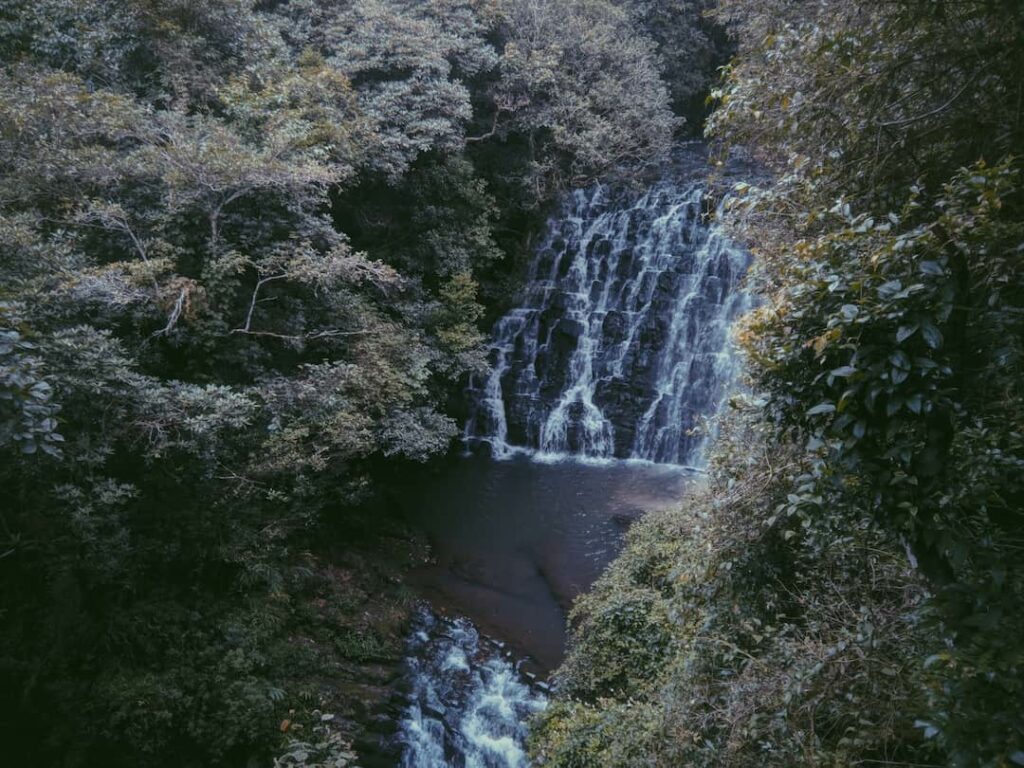
Elephant Falls is a remarkable natural wonder consisting of three cascading waterfalls. The second level presents a visually stunning view and offers a deep pool suitable for swimming. The surrounding rock formations are unique and covered in moss and vines. The mist created by the flowing water adds to the mystical charm of the place. Despite being challenging to access, the third level is just as beautiful as the others.

The best time to visit

The best time to visit Elephant Falls is from September to May when the weather is pleasant and the waterfall is full of glory. It is not recommended to visit during monsoons due to dangerous conditions. Visitors should pack comfortable shoes, water, snacks, and a raincoat. The entry fee is minimal, and the waterfall is open from 9 am to 5 pm daily. It is a must-visit destination for nature lovers and adventure seekers alike.

Activities and Adventure: trekking, swimming, and more

Elephant Falls is an excellent destination for adventure enthusiasts. It has trekking trails that wind through lush green forests, providing stunning views of the waterfall. You can also cool off in the natural pools or try other activities like rappelling, ziplining, and rock climbing. There are also options for kayaking and whitewater rafting. Just be mindful of slippery rocks and strong currents while swimming.

Wildlife and Flora: a nature lover’s delight

Elephant Falls offers more than just impressive waterfalls and exciting adventure activities. It’s home to many endemic plant species, including orchids, rhododendrons, ferns, and bamboo. Additionally, the area has various animal species, such as elephants, gibbons, langurs, tigers, and macaques, which can be seen while trekking. For birdwatchers and butterfly enthusiasts, the forests surrounding offer excellent opportunities to observe a wide variety of birds like hornbills, kingfishers, and sunbirds, as well as over 160 butterfly species, some of which are rare and endangered.

How to get to Elephant Falls: a comprehensive guide

Getting to Elephant Falls is easy, with options including a nearby airport, taxis, or buses from Shillong or a railway station in Guwahati. Other nearby attractions include Mawlynnong Village, Laitlum Canyons, Nohkalikai Falls, and Dawki. From birdwatching to trekking, swimming to sightseeing – there is something for everyone! It’s a must-visit destination in Meghalaya that promises to be a memorable experience for everyone.