DHRUBAJYOTI ROY, the visionary behind Builtarchi.com, who holds a passion for transforming ideas into tangible and awe-inspiring structures. His multifaceted persona encompasses a love for cars & by profession an Architect.
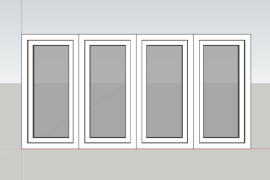
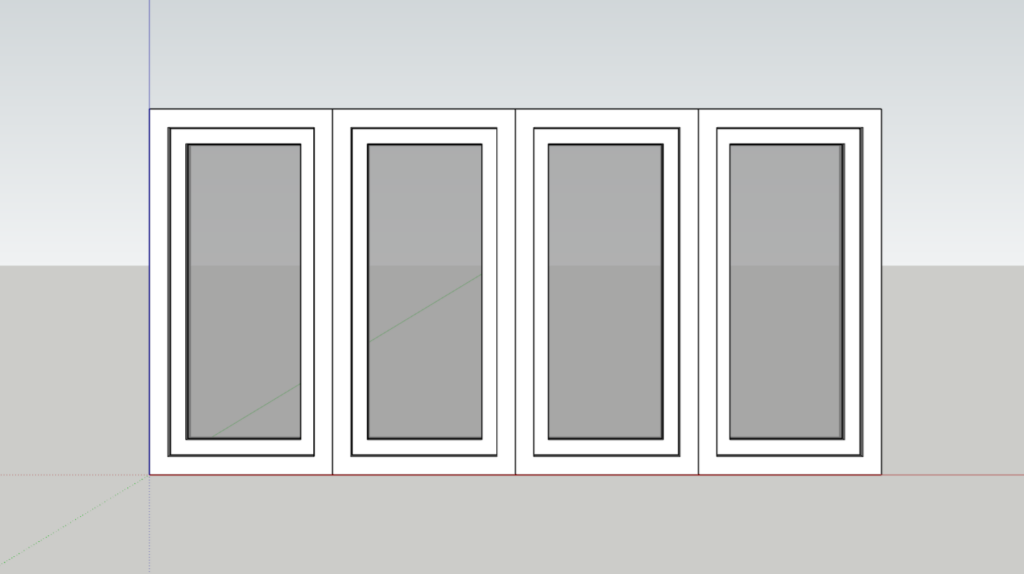
This file contains a UPVC Sliding window of 4 Panels. Each panel is wide of 600mm and height of 1200mm. The overall size of the window is 2400mm and the height is 1200mm. You can use this 4 Panel UPVC Window for above mentioned required dimensions.
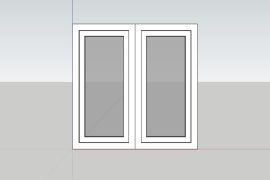
This file contains a UPVC Sliding window of 2 Panels. Each panel is wide of 600mm and height of 1200mm. The overall size of the window is 1200mm and the height is 1200mm. You can use this 2 Panel UPVC Window for above mentioned required dimensions.
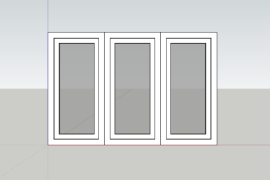
This file contains a UPVC Sliding window of 3 Panels. Each panel is wide of 600mm and height of 1200mm. The overall size of the window is 1800mm and the height is 1200mm.
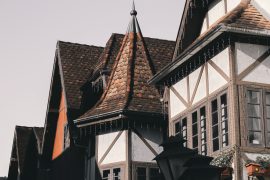
Roof tiles are essential for protecting buildings from the elements and are becoming increasingly important for enhancing the aesthetic appeal of structures. They create a protective barrier against rain, wind, snow, and sun, preventing water leakage and potential damage. Additionally, stylish roof tiles can significantly contribute to the curb appeal of a property, making it stand out and become the envy of the neighborhood. Therefore, investing in durable and visually appealing roof tiles is crucial for long-lasting protection and an attractive appearance.
Understanding the features
When choosing roof tiles, it is essential to consider their weather resistance and durability. Look for tiles designed to withstand harsh weather conditions that can last many years without losing strength or shape. The material composition of the tiles also affects their longevity, with concrete and clay tiles known for their durability. Additionally, it is essential to choose tiles with excellent impact resistance to protect against damage from falling objects or extreme weather.
Exploring the benefits of stylish roof tiles
Stylish can enhance the overall appearance of a property by adding color, texture, and design options. Whether you prefer a classic or modern aesthetic, they offer a practical yet stylish solution. Additionally, having a well-maintained and aesthetically pleasing roof can increase the property’s value and make it more marketable. By choosing modern, you can reflect your style and stay in line with current architectural trends, giving your home a customized and up-to-date look.
Types of durable Roof Tiles available in the market
Homeowners have several options for durable roof tiles, including concrete, clay, metal, and composite. To ensure strength and protection against weathering, sand, cement, and water are combined to produce concrete tiles. Clay tiles offer natural beauty and exceptional durability. Metal tiles, like aluminum or steel, are lightweight, energy-efficient, and come in different finishes. Composite tiles mimic traditional materials and provide enhanced longevity. They balance aesthetics and performance, making them an excellent choice for homeowners.
Enhancing aesthetics with stylish designs
Durable roof tiles can also be stylish. Numerous designs are available for you to choose from, each capable of enhancing the aesthetic appeal of your home while maintaining the utmost durability. For traditional or classic homes, there are complementary roof tile designs available. And for modern or contemporary homes, sleek and sophisticated designs are available. Customizable options and color choices allow you to personalize your roof, whether you prefer a bold or subtle appearance.
Conclusion
In summary, when choosing roof tiles, it is important to prioritize durability and style. Factors such as climate suitability, roof pitch, longevity, and cost-effectiveness should be considered to make an informed decision. Proper installation and regular maintenance are crucial for maximizing the lifespan. Investing in high-quality and long-lasting tiles not only ensures protection from the elements but also enhances the home’s aesthetic appeal. By considering weather resistance, material composition, and design options, homeowners can decide to align with their preferences and budget. Regardless of the chosen material, durable and stylish roof tiles have provided reliable protection and enduring beauty for years.
House facade design is the planning and design of the exterior of a house. It includes architectural style, materials, colors, windows, doors, roof, and exterior details, all aimed at creating an attractive and functional frontage. It’s a vital aspect of a home’s aesthetics and curb appeal.
Key elements and considerations in house facade design include
Architectural Style
The choice of architectural style sets the overall design direction for the house facade. Common architectural styles include modern, traditional, colonial, contemporary, Victorian, and many more.
Materials
The selection of materials for the exterior cladding, roofing, and decorative elements is crucial. Common materials include brick, stone, wood, stucco, vinyl siding, and metal.
Color Palette
The color scheme of the facade, including the color of the exterior walls, trim, doors, and windows, influences the overall aesthetics of the house.
Windows and Doors
The design, size, and placement of windows and doors have a significant impact on the facade’s appearance and functionality, such as natural light, ventilation, and access.
Roof Design
The type of roof, shape, and choice of roofing materials contribute to the visual appeal of the facade.
Exterior Details
Architectural details like moldings, columns, porches, balconies, and decorative elements can enhance the facade’s character and charm.
Landscaping
The landscaping around the house, including plants, trees, and hardscaping elements, complements the facade design and adds to the curb appeal.
Proportions and Symmetry
A balanced and harmonious composition is essential. Proper proportions and symmetry, when applicable, can contribute to an aesthetically pleasing facade.
Climate Considerations
The climate and local weather conditions may influence the choice of materials and design features to ensure durability and energy efficiency.
Budget
The budget constraints of the project can impact the choice of materials and design complexity.
House facade design is a creative process that combines architectural principles with the homeowner’s preferences and needs. Facades not only enhance the visual appeal of a house but also provide a sense of identity, safety, and functionality. It’s often the first impression people have of a home and can significantly affect its resale value.
House facade design is the planning and design of the exterior of a house. It includes architectural style, materials, colors, windows, doors, roof, and exterior details, all aimed at creating an attractive and functional frontage. It’s a vital aspect of a home’s aesthetics and curb appeal.
House facade design is a creative process that combines architectural principles with the homeowner’s preferences and needs. Facades not only enhance the visual appeal of a house but also provide a sense of identity, safety, and functionality. It’s often the first impression people have of a home and can significantly affect its resale value.
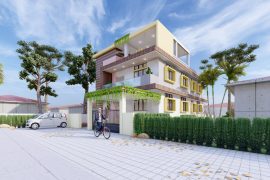
Example showing double floor house design ideas which have very simple and clear horizontal and vertical slabs.
Energy-efficient indoor lighting is important for reducing electricity bills and minimizing environmental impact. By choosing lighting fixtures that consume less energy, individuals can contribute to a greener future. Besides saving money, energy-efficient lighting has additional advantages. It lasts longer than traditional options, reducing the need for frequent bulb replacements. It also generates less heat, creating a more comfortable environment. Additionally, energy-efficient bulbs are available in various colors and designs, offering the opportunity to develop a suitable ambiance for any occasion.
Understanding the importance of stylish lighting in interior design
Good lighting significantly impacts the overall look and feel of a space. It can transform a dull room into a cozy or lively environment. It is important to find lighting fixtures that are both stylish and functional, as a visually appealing fixture may need to provide adequate light, and bright but unattractive light can ruin the ambiance. The key is to balance aesthetics and functionality, creating a beautiful and practical lighting solution.
Exploring different types of energy-efficient indoor lighting fixtures
LED lighting technology has become popular due to its energy efficiency, durability, and versatility. CFL bulbs are another energy-efficient option with a longer lifespan and various sizes. Halogen and incandescent bulbs have also evolved to be more energy-efficient, though not as eco-friendly as LEDs or CFLs.
Enhancing ambiance and mood with the proper lighting techniques
Creating light layers is essential for adding ambiance and versatility to your space. You can achieve a dynamic and inviting atmosphere by using different types of lighting fixtures and sources, such as task lighting, ambient lighting, and accent lighting. Additionally, incorporating dimmers, timers, and controls allows you to adjust lighting levels according to your preference and schedule. This creates a more relaxing environment and ensures that lights are not left on unnecessarily. Accent lighting is another effective way to strategically highlight specific focal points, such as artwork or architectural features, and add a touch of drama to your room by strategically using spotlights, track lighting, or wall sconces.
Incorporating smart lighting solutions for convenience and energy savings
Smart lighting systems offer features like motion sensors, smartphone controls, and voice activation, making indoor lighting more convenient and energy-efficient. They can be easily adjusted with commands or preset schedules, reducing energy waste. These systems can also be integrated with home automation, allowing control of other connected devices like thermostats and security systems. With customized scheduling and occupancy sensors, bright lighting maximizes energy savings by turning off lights in unoccupied rooms. Overall, smart lighting improves efficiency and contributes to a sustainable lifestyle.
Maintaining and caring for your indoor lighting fixtures
Regularly maintaining indoor lighting fixtures is important for their proper functioning and aesthetic appeal. This involves cleaning and dusting them using a soft cloth or dusting tool to remove dirt and debris. It’s also essential to promptly replace dim or burnt-out bulbs and regularly check for any signs of damage or malfunction. Taking precautions to protect fixtures from accidental breakages is crucial, such as handling them carefully and installing covers or guards. By embracing energy-efficient indoor lighting, we can create a well-lit and inviting atmosphere while reducing our environmental impact. With a wide range of stylish and eco-friendly options, we can strike the perfect balance between aesthetics, functionality, and sustainability.
Natural light has a profound impact on ambiance and well-being. It can create a calm and inviting atmosphere that artificial lighting cannot match. Beyond aesthetics, studies have revealed that exposure to daylight can improve mood, well-being, and productivity. Consider adding a glass roof to your home or business to enhance the environment with the beauty of natural light.
Maximizing natural light and its impact
A glass roof can transform any space by amplifying natural light, improving mood, and increasing productivity. It reduces reliance on artificial lighting, saving energy costs. It acts like a skylight, flooding a room with sunlight, enhancing its visual appeal, and providing health benefits. Studies show natural light can uplift mood, boost productivity, and regulate circadian rhythm. Maximizing natural light reduces electricity bills and minimizes environmental impact, contributing to a greener future.
Design options for Balancing aesthetics and functionality
When choosing a glass roof, it is essential to consider the right glass type for optimal light transmission. Options such as low-E glass can regulate heat and UV rays. The shape and structure of the roof should also be considered for proper drainage and stability. Integrating a glass roof with existing architecture and design themes is crucial for a cohesive and visually appealing space. Different design options suit different tastes and styles, creating a harmonious blend of natural light and existing decor.
Transforming residential spaces by Creating an inviting and vibrant atmosphere
A glass roof can transform living spaces by bringing abundant natural light, creating a visually pleasing and inviting atmosphere. It enhances mood and productivity and even boosts the immune system. Additionally, a glass ceiling blurs the boundaries between indoors and outdoors, offering the best of both worlds. Privacy concerns can be addressed with frosted or tinted glass options, movable shades, or blinds that allow control over the amount of light entering the space. Don’t let privacy worries hold you back from enjoying the beauty and benefits of natural sunlight.
Energy efficiency and sustainability: Harnessing natural light while minimizing environmental impact
Energy-efficient with advancements in glass technology. They use low-emissivity coatings to retain heat in colder months and keep it out in hotter months, reducing heating and cooling costs. Solar control measures like UV filters and reflectivity coatings can regulate heat and glare. Natural light and glass roofs reduce the need for artificial lighting, saving energy and decreasing carbon emissions. This promotes sustainability and benefits both the environment and the space aesthetically.
Conclusion
A glass roof is a transformative addition to any space, bringing beauty, inspiration, and sustainability. Embracing natural light creates a bright and inviting atmosphere for homes and businesses. Its benefits include enhancing aesthetic appeal, promoting well-being and productivity, and increasing energy efficiency. With a glass roof, you can elevate your space with brilliance and let the sun’s radiance illuminate your world.
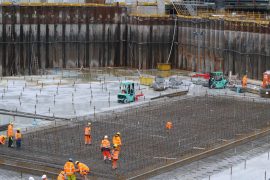
Reinforced concrete is a special kind of solid material used for building things like houses and roads. It’s like mixing regular concrete with solid steel bars. The concrete is good at squishing, and the steel is excellent at being pulled. So, when we put them together, they make a super-strong team and can handle different pressures.
But, we have to be careful when we make it because if we don’t put enough steel in it, it might not be strong enough, and that’s not good. However, it also has some perfect things about it. We can shape it in extraordinary ways and make it look attractive in our buildings.
People like using it because it’s robust, easy to use, can be shaped into different forms, lasts a long time, and doesn’t cost too much. We use it to build many things, from the bottoms of buildings to the tops, roads, bridges, and even tunnels. It’s a handy material for all sorts of construction!
It is super strong. It can handle being squeezed and stretched, which makes it great for building things.
Cost-Effective
Making reinforced concrete doesn’t cost a lot because the materials are easy to find and not too expensive. It’s also cheap to take care of because it lasts a long time.
Can Be Shaped
We can make it into all kinds of shapes and designs because it’s like a liquid when it’s fresh. That makes it perfect for making cool-looking buildings.
Last a Long Time
Buildings made with reinforced concrete can last up to 100 years. They don’t get damaged easily by things like rain or chemicals.
Fireproof
It doesn’t catch fire, which is essential for safety. It can stay strong even in high temperatures.
Flexible
It can bend a little without breaking, which helps us see if something is wrong and fix it before it worsens.
Good in Earthquakes
Reinforced concrete buildings can handle earthquakes well, keeping people safe.
Easy to Build
It doesn’t need highly skilled workers to assemble it, making construction easier.
Eco-Friendly
We can use waste materials to make concrete, which is good for the environment. Also, we can recycle old concrete to use in new things.
Useful in Many Ways
Concrete can be used in many different ways, from pouring it by hand to spraying it on surfaces. It’s like a superhero of building materials!
Disadvantages of Reinforced Concrete
Heavy Stuff
Buildings made of reinforced concrete are much heavier than those made of materials like steel, wood, or glass.
Needs Lots of Work
We have to build oversized frames and molds to shape the concrete, which takes up a lot of space and requires many workers.
Takes Time to Get Strong
Concrete only immediately becomes super strong. It needs time to become rigid, unlike steel structures that are strong right from the start.
Lots of Steps
It involves mixing, pouring, and waiting to strengthen. All of these steps affect how strong it will be in the end.
Costly Molds
The molds for shaping reinforced concrete can be expensive.
Cracks Can Happen
Sometimes, concrete can develop cracks over time because it shrinks as it dries, losing some of its strength.
Conclusion
Reinforced concrete is a robust building material that blends concrete’s compressive strength with steel’s tensile strength. It offers numerous advantages, including exceptional strength, cost-effectiveness, versatility, durability, fire resistance, flexibility, earthquake resilience, ease of construction, and eco-friendliness.
However, it’s relatively heavy, requires extensive labor and curing time, involves complex manufacturing steps, can be costly for molds, and may develop cracks over time.
Aluminium cladding is like a unique cover for buildings. It’s made of thin aluminium on the outside. Some of it has plastic in the middle and two aluminum sheets on the outside.
But the safest kind is when the aluminium is strong and has a special powder that can handle the heat. The powder might turn dark when hot, but the aluminium won’t melt or catch fire, so it keeps buildings safe from fires.
It comes in lots of different styles. It can look like wood or have a smooth surface. Some types look like they have wooden strips or longboards. You can get aluminium cladding in big pieces or sheets. It comes in many colors, like shiny metal, wood patterns, copper, rust, and concrete-like colors.
You can easily find aluminium cladding in Australia. It’s inexpensive, and you can get it in big cities like Sydney, Melbourne, Brisbane, and Perth. Some stores, like Bunning’s, even have it in their catalog. They can deliver it to places in the city and the countryside. So, if you need it for your building, you can find it easily in Australia.
Benefits of Aluminium House Cladding
Aluminium cladding is much lighter than bricks, wood, or boards. It makes it easy to carry and put up on buildings. It also doesn’t hurt the environment much, so it’s not too expensive.
The cool thing about aluminium is that you can use it repeatedly. So, it’s good for the Earth. It also helps keep your home warm or cool by keeping the temperature right. It also makes your house quieter by blocking outside noise.
Aluminium is super rugged. It won’t rust or get messed up by the weather. It can even handle scorching temperatures without melting. That’s why it’s excellent in places where fires might happen. So, It is a good choice for lots of reasons!
Guggenheim Museum Bilbao
Aluminium cladding for houses; cost per square meter and more
1. Timber look
Aluminium, which looks like wood, is one of the most remarkable ways to use aluminium. It looks just like natural wood but has all the good stuff that aluminium offers. It’s hard to tell the difference, but it’s super practical and beautiful, just like natural wood.
2. Weatherboard
Aluminium is excellent for making weatherboard cladding, especially for the outside of buildings. It’s strong and doesn’t get hurt by termites, rust, or fire. It won’t rot, break, bend, or get messed up by weather or temperature changes. Putting it up is easy, it doesn’t cost too much, and you don’t need to paint or do extraordinary things to it. That’s why it’s a good choice for building walls.
3. Batten
A batten is like a long, solid strip, usually wood-made. People use it with other strips to make things look nice or strong. But now, aluminium battens are getting popular in decorating inside rooms, like the ceiling or fancy walls. They can be up to 6 meters long and don’t catch fire because they’re super safe. Plus, they last a long time, even more than regular wood.
You can find aluminium battens in many stores all over the country. They can look smooth and shiny or even like wood. And that’s the last style of aluminium cladding options we’ll talk about.
4. Caravan
Aluminium is one of the top three materials used to cover caravans like portable homes. The other two are Aluminum Composite (aluminum with a plastic inside) and Fiberglass Sandwich Panel. People like using aluminum because it’s not too heavy, so it won’t slow down or make driving the caravan unsafe.
Aluminium is rugged and can handle all kinds of weather without needing to be replaced for a long time. It’s also strong and can be used to make the frame of the caravan. Most caravans have simple ribbed aluminium on the outside, which has been a favorite for a long time because it’s not too expensive.
5. Flat Sheets
Aluminium flat sheets are like big, shiny pieces you can put on the inside or outside buildings. They look fantastic and work well without costing too much. You can quickly put them up. Plus, you can do little to keep them looking good because aluminium is easy to care for. They also have special powder to stop fires so that they won’t burn. That’s a safe choice!
Conclusion
Aluminium cladding is a unique covering material that can make buildings look excellent and work better. It looks like wood but is strong and can stay in good shape even when the weather is not very nice. People use it in many ways like making the outside of houses look pretty or covering things like caravans.
It is light, which means it doesn’t make buildings heavy. It’s also good for the environment and can last a long time. Using it can make buildings safer, save energy, and make them look better. So, if you’re building something, think about using aluminium cladding because it has lots of good things about it.